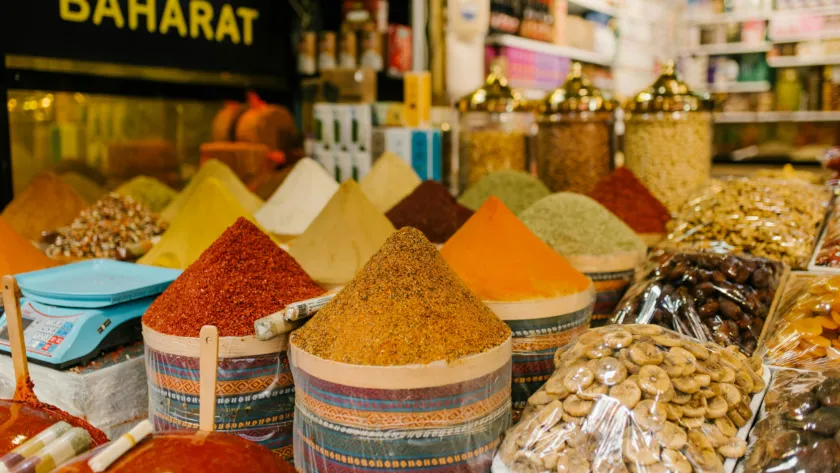
Turkish cooking is defined by its thoughtful use of herbs and vegetables, creating meals that feel balanced, fresh, and deeply satisfying without relying on heavy preparation. From mezze plates to main courses, Turkish cooking highlights natural ingredients in a way that allows each component to stand out. Herbs and vegetables shape not only flavor, but…
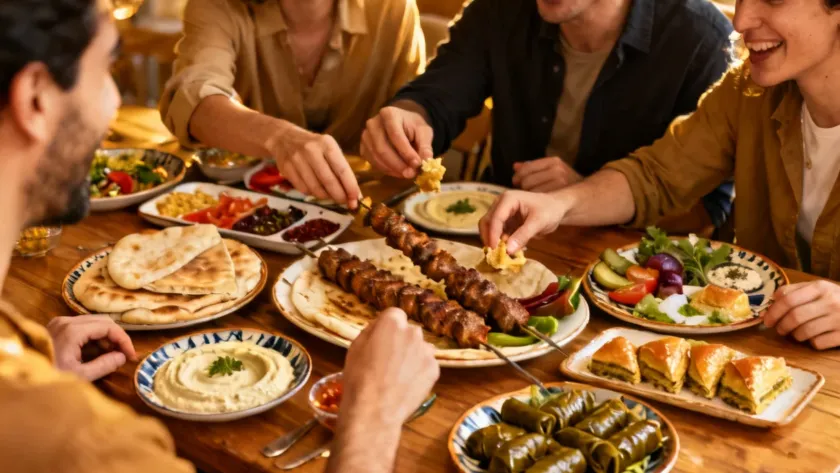
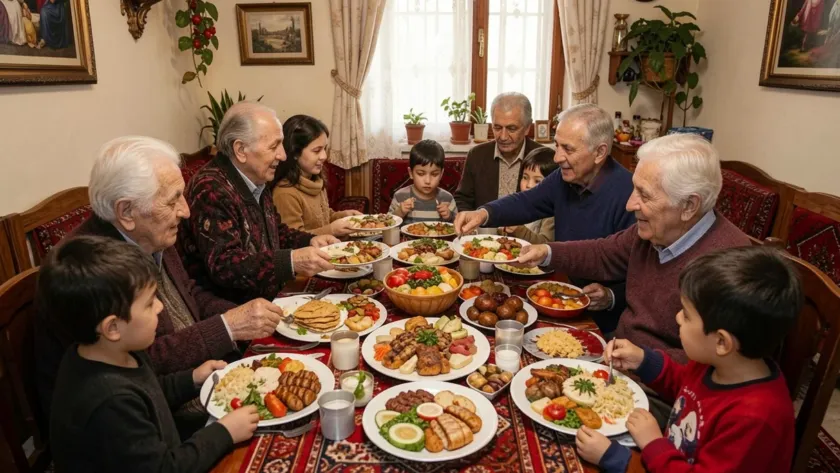
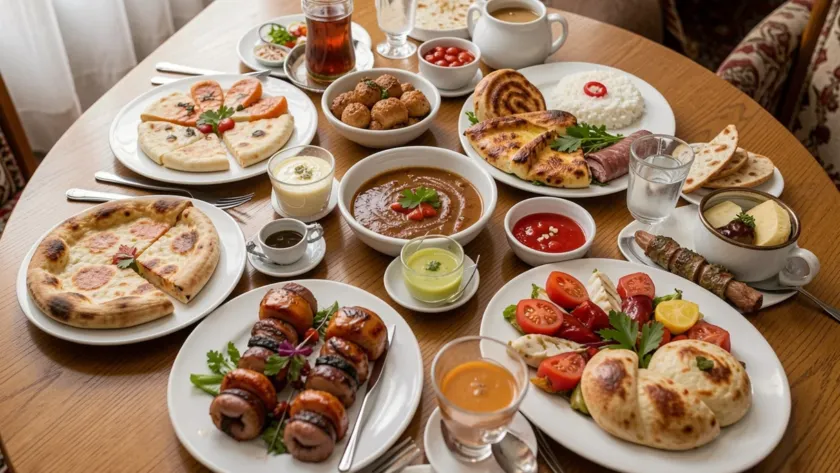
Turkish cuisine is designed for shared meals. It stands as one of the most enjoyable options for group dining. Dishes arrive at the table all at once. The focus shifts to a collective experience. Guests enjoy variety, conversation, and balance. At places like Istanbul Kitchen, this dining style reflects a long-standing cultural tradition. Meals are…
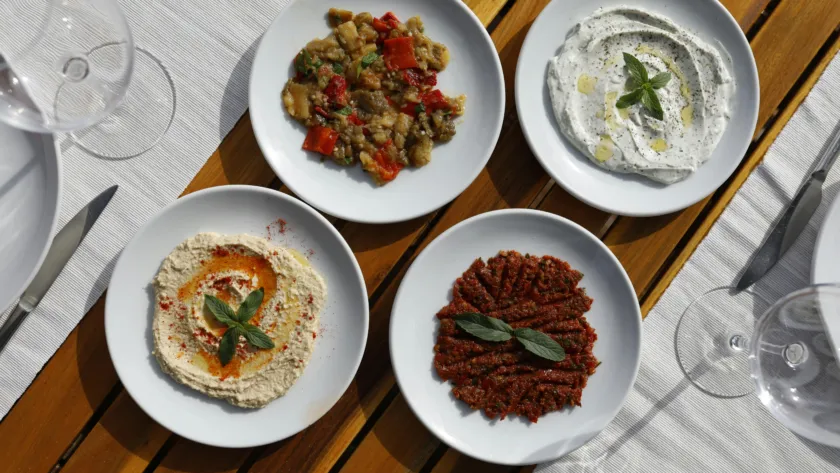
Starter dishes set the tone for the entire dining experience, especially in Turkish cuisine where meals begin with a thoughtful selection of small plates designed to awaken the palate. At restaurants like Istanbul Kitchen, starters are not an afterthought, they shape how the meal unfolds by introducing a range of textures, flavors, and ingredients that…
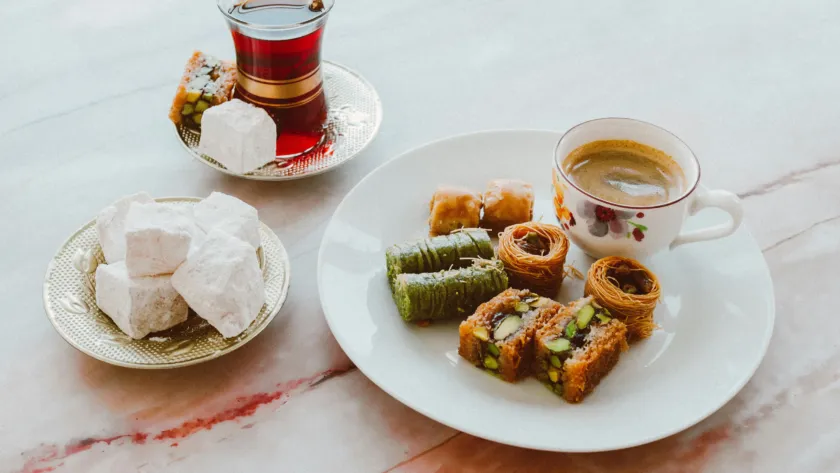
Tea vs coffee in Turkish dining culture is not a matter of preference alone, it reflects timing, hospitality, and the natural rhythm of the meal itself in Turkey. In traditional Turkish settings and restaurants like Istanbul Kitchen, tea and coffee are served at intentional moments to support digestion, enhance flavor, and extend conversation at the…
Turkish food is widely known for its fresh vegetables, balanced meals, and satisfying flavors, making it one of the most approachable cuisines for people exploring healthier dining options for the first time. Rooted in long-standing cooking traditions and shaped by the Mediterranean lifestyle, many Turkish dishes naturally support balanced eating without sacrificing comfort or taste.…
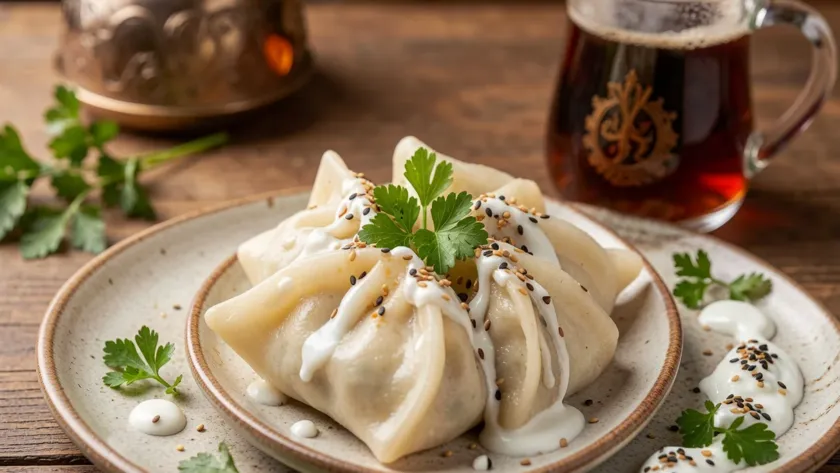
Manti is one of the most beloved comfort foods in manti, known for its delicate dumpling shape, savory filling, and signature yogurt-based topping. The dish represents careful preparation, regional identity, and the layered flavor structure that defines traditional Turkish home cooking. In restaurants that highlight authentic Anatolian cuisine, manti reflects craftsmanship and family-style traditions that…
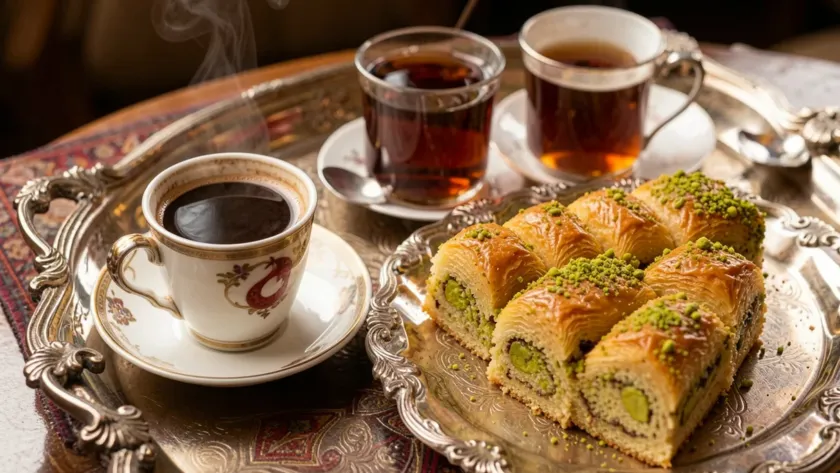
Turkish desserts hold a special place in Turkish culinary culture. Many guests enjoy them with traditional beverages such as tea and coffee. Restaurants like Istanbul Kitchen present desserts as part of a complete dining experience rather than as simple sweets. Flavor balance plays an important role in each pairing. Texture also shapes how guests enjoy…
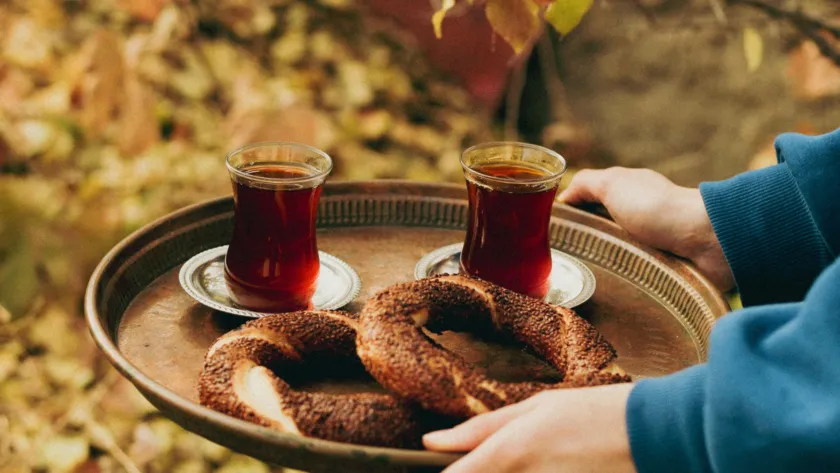
Simit is one of Turkey’s most iconic street breads. It is easy to recognize because of its circular shape and sesame-coated crust. For many people in Turkey, simit is more than everyday bread. It is a cultural staple. It is a common breakfast companion. It is also a snack enjoyed throughout the day at home,…
Turkish dining is built on the idea that meals are meant to be shared, experienced slowly, and enjoyed in the company of others. Across homes, cafés, and restaurants throughout Turkey, the table serves as a place where conversation unfolds naturally, hospitality takes center stage, and food connects people across generations. This tradition continues today in…
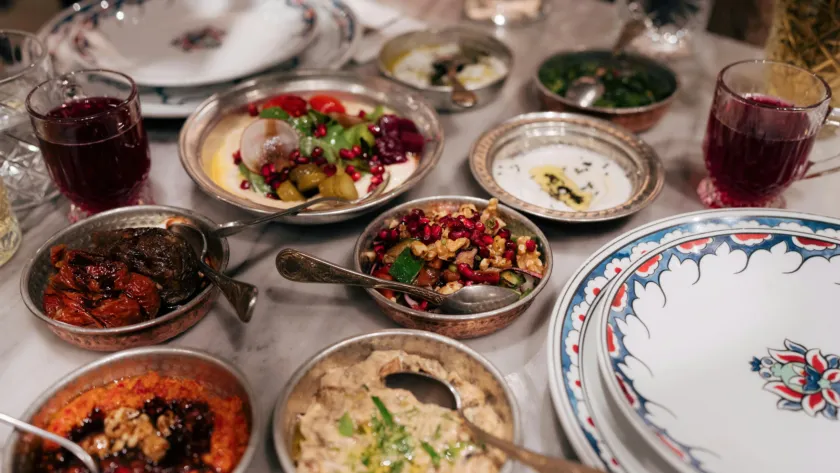
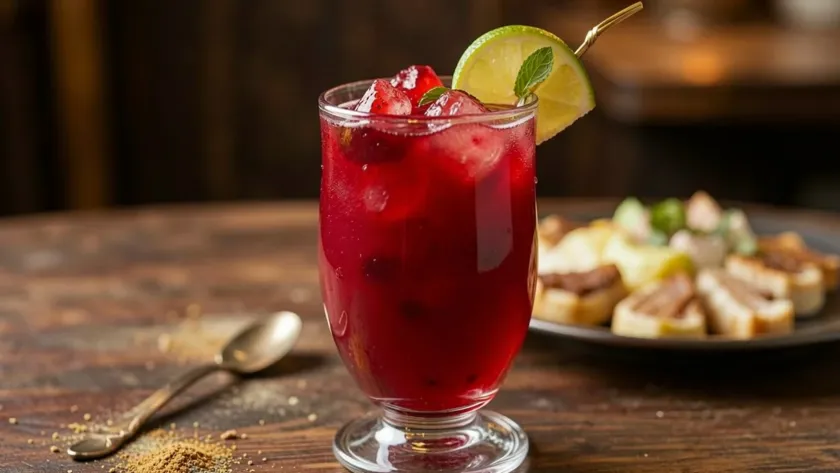
Ottoman sherbet represents one of the most meaningful beverages in Turkish culinary heritage. It offers refreshment and preserves a strong connection to centuries of tradition. Long before modern soft drinks appeared, this fruit-based drink played an important role in celebrations, hospitality, and daily life across the Ottoman Empire. Families served it to guests as a…
Turkish breakfast is widely admired for its variety, freshness, and strong connection to social dining traditions across Turkey. It represents a complete morning experience centered on shared plates, warm conversation, and carefully prepared ingredients. Guests often gather around the table and enjoy several small dishes at a relaxed pace. At Istanbul Kitchen in Tysons Corner,…
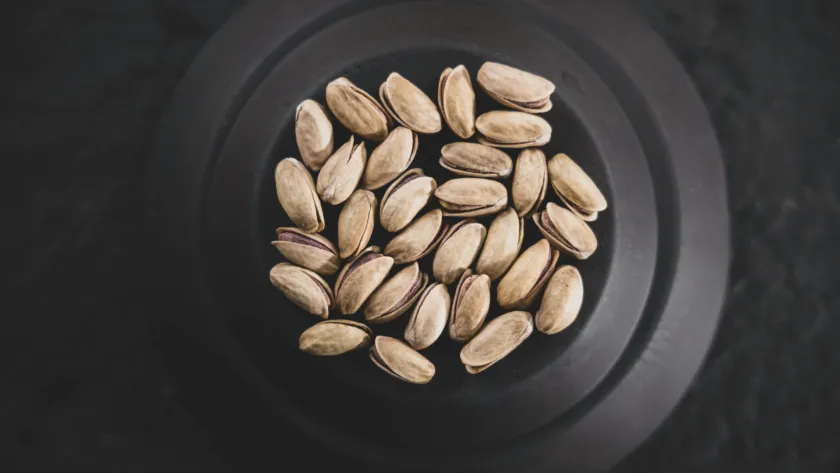
Pistachio Turkish dessert traditions reflect centuries of culinary refinement, where carefully selected ingredients define both flavor and identity. Among these ingredients, pistachios remain one of the most valued elements in Turkish sweets. At Istanbul Kitchen in Tysons Corner, pistachio-based desserts highlight authenticity, craftsmanship, and the balance that defines Turkish cuisine. Chefs prepare these desserts with…