Turkish food offers a rich and diverse culinary tradition that masterfully balances flavor, texture, and nutrition, making it an excellent choice for anyone seeking a wholesome, satisfying diet. Rooted in fresh, seasonal ingredients, this cuisine emphasizes colorful vegetables, legumes, lean meats, seafood, and whole grains, all complemented by heart-healthy olive oil and a variety of aromatic herbs and spices. Meals are often thoughtfully composed to provide a balance of protein, fiber, and essential nutrients, supporting overall health and well-being. Beyond its nutritional benefits, Turkish cuisine celebrates taste and variety, with bold flavors, vibrant colors, and creative combinations that make healthy eating both enjoyable and satisfying. Whether enjoyed at home or in a traditional setting, Turkish food demonstrates that a diet can be both nourishing and deeply flavorful, appealing to those who want to eat well without compromising on taste.
Fresh and Natural Ingredients

One of the defining features of Turkish cuisine is its strong emphasis on fresh, seasonal ingredients. Vegetables, fruits, and aromatic herbs take center stage in countless dishes, providing essential vitamins, minerals, and antioxidants that promote overall health. Staples such as ripe tomatoes, crisp cucumbers, tender eggplants, and colorful bell peppers contribute valuable fiber, supporting digestive health and helping maintain steady energy levels throughout the day.
Traditional Turkish markets, or bazaars, overflow with fresh produce, high-quality olive oils, dairy products, and legumes, ensuring that meals are prepared with the finest ingredients available. By choosing seasonal foods, not only is the flavor of each dish maximized, but the nutrient density is also enhanced, providing the body with optimal nourishment. Seasonal ingredients also reflect the natural rhythms of the environment, connecting culinary tradition to sustainable practices. This focus on freshness and quality underscores why Turkish food is both delicious and inherently wholesome, making it a practical and satisfying choice for daily eating.
Vegetables in Turkish Cuisine
Dishes such as menemen, a flavorful Turkish-style scrambled eggs with tomatoes, peppers, and onions, or imam bayıldı, a tender, stuffed eggplant dish simmered in olive oil and herbs, highlight vegetables as the centerpiece rather than just a side. By placing fresh produce at the forefront, Turkish cuisine naturally increases the intake of essential vitamins, minerals, and antioxidants, supporting overall health. These dishes are typically prepared with minimal processing and without artificial additives, allowing the natural flavors and nutrients of the ingredients to shine. This vegetable-focused approach demonstrates how traditional Turkish meals can be both satisfying and nutritionally rich, making wholesome eating an enjoyable experience.
Herbs and Spices
Turkish cuisine not only emphasizes fresh herbs like parsley, dill, and mint, but also incorporates aromatic spices such as cumin, paprika, cinnamon, sumac, and allspice to create layers of flavor that elevate every dish. These natural seasonings allow chefs to reduce added salt, supporting cardiovascular health and helping maintain healthy blood pressure levels. Beyond their flavor, herbs are rich in vitamins, minerals, and antioxidants, which aid in reducing oxidative stress and supporting immune function. Spices often provide additional anti-inflammatory and digestive benefits, promoting gut health and overall well-being.
This thoughtful combination of herbs and spices also encourages the use of fresh, minimally processed ingredients, aligning with the Mediterranean-style diet principles that emphasize plant-based foods, lean proteins, and healthy fats. As a result, Turkish meals are not only deeply flavorful but also nutrient-dense, offering a balance of taste, health, and culinary tradition that makes every meal both enjoyable and beneficial for long-term wellness.
Balanced Nutritional Profile
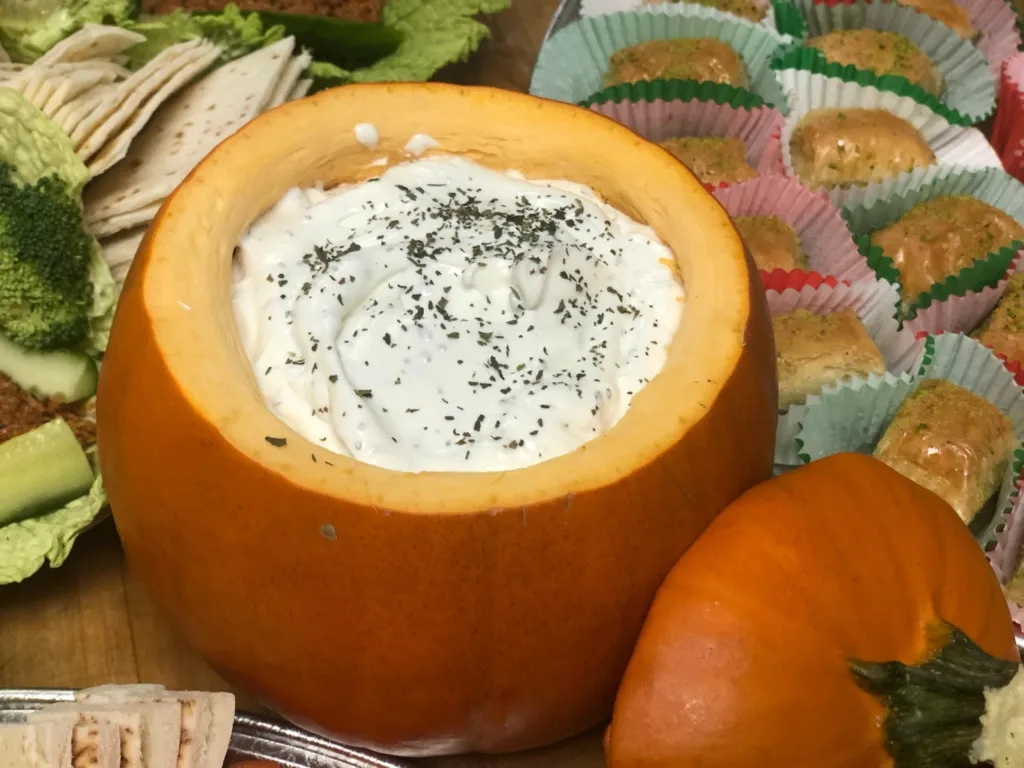
Another reason Turkish cuisine promotes wellness is its naturally balanced nutritional profile, which aligns closely with modern dietary guidelines. Traditional meals often combine lean proteins such as grilled fish, chicken, or legumes with complex carbohydrates like whole grains, bulgur, or beans, providing sustained energy and supporting stable blood sugar levels. Healthy fats, primarily from olive oil, nuts, and seeds, are staples in Turkish cooking and contribute to heart health, brain function, and anti-inflammatory benefits. Meals are often rounded out with generous portions of vegetables and fresh salads, which add fiber, vitamins, and antioxidants, supporting digestion and overall health.
This careful balance of macronutrients and micronutrients not only fuels the body efficiently but also helps maintain healthy weight, cardiovascular wellness, and metabolic function. By emphasizing wholesome, minimally processed ingredients and natural flavorings, Turkish cuisine demonstrates that meals can be both delicious and nutritionally complete, making it an excellent choice for those seeking long-term health benefits through everyday eating.
Lean Proteins
Protein plays a central role in Turkish cuisine, with chicken, fish, legumes, and yogurt forming the backbone of many meals. These sources provide high-quality protein that supports muscle maintenance, immune function, and overall bodily repair, all while keeping saturated fat intake moderate compared with red meats. Fish dishes, such as grilled mackerel, sardines, or sea bass, are particularly valuable because they are rich in omega-3 fatty acids, which promote heart health, reduce inflammation, and support cognitive function. Legumes like lentils, chickpeas, and beans not only provide plant-based protein but also offer fiber and complex carbohydrates, contributing to digestive health and satiety. Yogurt, a staple in Turkish meals, adds both protein and probiotics, which help maintain gut microbiota balance and enhance nutrient absorption. Together, these protein-rich components create meals that are nutritionally complete, heart-friendly, and satisfying, demonstrating how Turkish cuisine blends taste with wellness effortlessly.
Whole Grains and Legumes
Whole grains and legumes are foundational to Turkish cuisine, offering sustained energy and digestive support. Grains such as bulgur, whole wheat bread, and brown rice provide complex carbohydrates that digest slowly, helping to maintain stable blood sugar levels and prolonged energy throughout the day. These slow-digesting carbs also supply essential B vitamins and minerals that support metabolism and overall health. Legumes, including lentils, chickpeas, and beans, complement grains by adding plant-based protein, soluble and insoluble fiber, and micronutrients like iron and magnesium. This combination promotes satiety, digestive wellness, and balanced nutrition, making meals satisfying without relying on heavy fats or processed ingredients. By pairing grains and legumes, Turkish cuisine achieves a nutritionally balanced plate that fuels the body efficiently while supporting long-term health.
Heart-Healthy Fats

Olive oil is a cornerstone of Turkish cuisine, used liberally for sautéing vegetables, roasting dishes, and drizzling over salads and dips. Rich in heart-healthy monounsaturated fats, it helps improve cholesterol profiles, reduce inflammation, and lower the risk of cardiovascular disease. Beyond its heart benefits, olive oil contains polyphenols and antioxidants that protect cells from oxidative stress and support overall wellness. Its versatility in cooking allows Turkish meals to remain flavorful and satisfying while promoting long-term health, making it a key component of the cuisine’s nutritional appeal.
Nuts and Seeds
Turkish snacks and desserts frequently incorporate nuts and seeds, including almonds, walnuts, and sesame seeds, which not only enhance texture and flavor but also provide a wealth of nutritional benefits. Almonds and walnuts are rich in heart-healthy fats, plant-based protein, magnesium, and vitamin E, which support cardiovascular function, cognitive health, and antioxidant defenses. Sesame seeds, often used in treats like tahini or sprinkled on baked goods, contribute additional minerals such as calcium, iron, and zinc, promoting bone health and overall wellness. By including these nutrient-dense ingredients, Turkish snacks and desserts offer a satisfying way to enjoy sweet and savory flavors while supporting heart, brain, and metabolic health, making indulgence a little healthier.
Low in Processed Foods
Unlike many Western diets that rely heavily on processed or fried foods, Turkish cuisine emphasizes natural, wholesome preparation methods that enhance flavor without unnecessary additives. Techniques such as grilling, roasting, steaming, and slow-cooking allow ingredients to retain their natural nutrients while developing rich, layered tastes. Pickling vegetables in vinegar or brine adds tangy flavor and preserves produce without relying on salt-laden processed alternatives. Slow-cooked stews and casseroles, often simmered with herbs, spices, and fresh vegetables, create depth of flavor without excessive fat or sugar. By focusing on these healthful cooking methods, Turkish food naturally reduces sodium, added sugars, and unhealthy fats, supporting heart health, stable blood sugar levels, and overall wellness, all while keeping meals delicious and satisfying.
Traditional Cooking Techniques
Traditional Turkish cooking techniques, such as baking in clay ovens (tandoor-style) or grilling over open flames, not only impart rich, smoky flavors but also help preserve the natural nutrients in meats, vegetables, and breads. These methods use gentle, even heat that reduces nutrient loss compared with deep-frying or overcooking, allowing proteins, vitamins, and minerals to remain intact. Additionally, meals are typically prepared from scratch using fresh ingredients, which minimizes reliance on pre-made sauces, processed seasonings, or artificial additives.
This approach ensures that dishes are both nutrient-dense and flavorful, giving home cooks control over ingredients, portion sizes, and overall nutritional quality. By combining traditional techniques with fresh produce and wholesome ingredients, Turkish cuisine supports heart health, digestive wellness, and balanced nutrition while delivering meals that are satisfying, aromatic, and authentically delicious.
Rich in Flavor Without Excess Calories
Turkish cuisine masterfully balances taste and nutrition, demonstrating that healthy eating can be both satisfying and flavorful. By relying on fresh herbs like parsley, mint, and dill, along with aromatic spices such as cumin, paprika, and sumac, dishes gain depth without excess salt, sugar, or artificial additives. Citrus fruits, like lemons and pomegranates, add brightness and natural acidity, enhancing flavor while providing antioxidants and vitamin C. Combined with seasonal vegetables, lean proteins, whole grains, and heart-healthy fats, these ingredients create meals that are not only visually appealing but also nutritionally complete. This approach proves that wholesome eating can delight the palate, support overall wellness, and encourage sustainable, enjoyable dietary habits. Ultimately, Turkish cooking transforms everyday ingredients into meals that are vibrant, nourishing, and deeply satisfying, making healthy choices a natural and delicious part of daily life.
Flavorful Salads and Mezes
Small plates, or mezes, are a staple of Turkish cuisine and showcase the art of flavorful, balanced eating. These dishes often feature roasted or grilled vegetables, yogurt-based dips like cacık, and fresh herbs such as parsley or mint, offering vibrant taste and texture without relying on heavy sauces or fried ingredients. Mezes provide portion-controlled servings, allowing diners to enjoy a variety of flavors in one meal while naturally managing calorie intake. Rich in fiber, protein, and micronutrients, they support digestion, satiety, and overall wellness. By emphasizing fresh, minimally processed ingredients, mezes exemplify how Turkish food combines taste, nutrition, and mindful eating, making them an excellent choice for anyone seeking a satisfying yet health-conscious dining experience.
Light and Satisfying Main Courses
Dishes such as grilled lamb, freshly caught fish, or slow-cooked vegetable stews are deeply satisfying while remaining balanced in calories. Grilling allows excess fat to drip away, while stewing preserves nutrients and enhances natural flavors without the need for heavy oils or sauces. Lean cuts of meat and fresh seafood provide high-quality protein, helping you feel full and energized, while vegetables add fiber, vitamins, and minerals. Because Turkish cooking emphasizes fresh ingredients and traditional preparation methods, even richer or more indulgent dishes maintain strong nutritional value, proving that meals can be both comforting and health-conscious at the same time.
Cultural Emphasis on Mindful Eating
Turkish food culture places a strong emphasis on slow, mindful eating and the joy of sharing meals with others. Dishes are commonly served family-style, encouraging conversation, connection, and a relaxed pace that allows people to truly savor each bite. This slower approach gives the body time to recognize fullness, helping to prevent overeating and supporting healthy weight management. Sharing food also naturally leads to smaller portions while offering a wider variety of flavors and nutrients. Beyond physical benefits, this social dining tradition promotes emotional well-being, turning meals into a nourishing experience for both body and mind.
Meal Structure
Traditional Turkish meals are thoughtfully structured around multiple small courses, often beginning with a light soup, followed by a fresh salad, a satisfying main dish, and a modest dessert or fruit to finish. This gradual progression allows the body to ease into eating, supporting digestion and helping regulate appetite. By spreading food intake across several smaller portions rather than one large serving, meals feel filling without being excessive. This balanced approach encourages mindful eating, steady energy levels, and healthier portion control, making it easier to maintain long-term wellness habits while still enjoying a complete and satisfying dining experience.
Hydration with Tea and Water
Tea (çay) and water are staples at the Turkish table and are enjoyed throughout the day, including during and after meals. Unsweetened black tea provides hydration along with beneficial antioxidants that support overall health, while water helps aid digestion and regulate appetite. By favoring these simple beverages over sugary sodas or sweetened juices, Turkish food culture naturally reduces excess sugar and empty calories. This habit supports stable energy levels, better metabolic health, and consistent hydration, reinforcing a balanced and wellness-focused approach to daily eating.
Tips for Incorporating Turkish Food into a Healthy Lifestyle
- Start with vegetables: Make vegetables the centerpiece of your meals rather than an afterthought. Fresh salads, roasted eggplant, grilled peppers, tomatoes, and leafy greens provide essential vitamins, minerals, and fiber that support digestion and overall health. Building meals around vegetables also helps control calories while keeping dishes colorful, filling, and satisfying.
- Use olive oil generously: Replace butter or margarine with high-quality olive oil for cooking, dressing salads, or finishing dishes. Olive oil is rich in monounsaturated fats and antioxidants that support heart health and help manage cholesterol levels. Its rich flavor also enhances foods naturally, reducing the need for heavy sauces or excessive seasoning.
- Choose lean proteins: Opt for protein sources such as fish, chicken, lentils, chickpeas, and yogurt. These options provide the protein your body needs for muscle repair and energy without excessive saturated fat. Fish, in particular, offers omega-3 fatty acids that support brain function and cardiovascular wellness.
- Enjoy herbs and spices: Incorporate herbs like parsley, dill, and mint, along with spices such as cumin, paprika, and sumac, to add depth and aroma to your meals. These natural flavor boosters reduce reliance on salt while offering additional health benefits, including anti-inflammatory and digestive support.
- Adopt mindful eating: Slow down and enjoy meals in a relaxed, social setting whenever possible. Sharing food with family or friends encourages smaller portions, better digestion, and greater appreciation of flavors. Mindful eating helps you recognize hunger and fullness cues, supporting healthier habits and long-term wellness.
In Conclusion
Turkish food brings together fresh, seasonal ingredients, balanced macronutrients, heart-healthy fats, and time-honored cooking techniques to create a cuisine that supports overall wellness while delivering bold, satisfying flavors. By emphasizing vegetables, lean proteins, whole grains, olive oil, and natural seasonings, Turkish dishes make it easy to enjoy meals that are nourishing, filling, and enjoyable without relying on heavy processing or excess additives.
Exploring Turkish cuisine can be a simple and rewarding step toward healthier eating. Begin with a light vegetable meze, a yogurt-based dip, or a grilled fish dish prepared with olive oil and herbs. Invite friends or family to share the meal, slow down, and savor each bite. In doing so, you’ll not only discover new flavors but also embrace a way of eating that nourishes your body, encourages connection, and delights your senses every day.