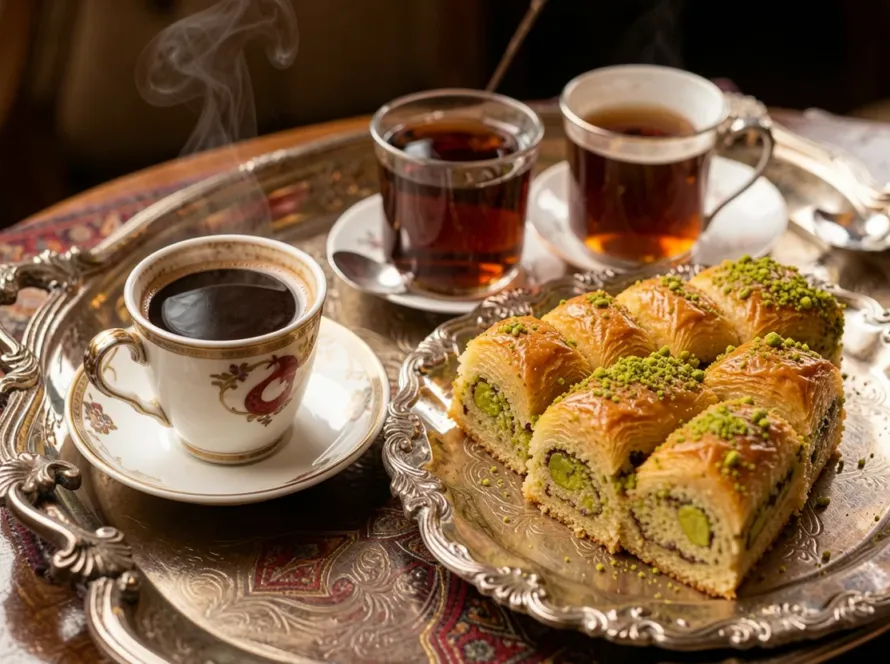
Street food in Turkey is more than a quick bite, it’s a window into Turkish culture, community, and daily life. From bustling city streets to local markets, these foods represent centuries of culinary tradition. At Istanbul Kitchen in Tysons Corner, diners can experience the essence of these street flavors through carefully crafted dishes that bring the same authentic taste home.
In this blog, we explore the cultural significance of street food in Turkey, highlight popular dishes, and explain how Istanbul Kitchen brings the street food experience to Virginia.
A Cultural Snapshot of Street Food in Turkey
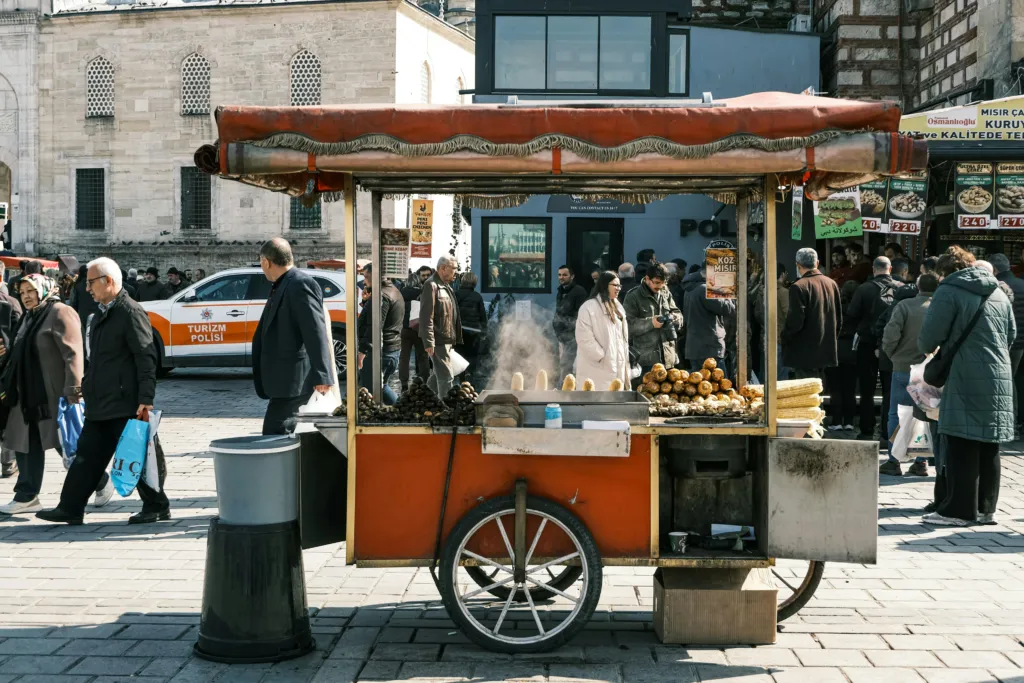
Street food in Turkey isn’t just about convenience, it reflects tradition, storytelling, and everyday life. Across bustling cities like Istanbul, Ankara, and Izmir, vendors line busy streets, ferry docks, markets, and neighborhood corners, filling the air with the irresistible aroma of freshly grilled meats, warm bread, and sweet pastries. From sizzling döner and juicy köfte to flaky börek and syrupy lokma, each bite carries a piece of Turkish history and local identity.
One of the strongest cultural aspects of Turkish street food is its accessibility. It is affordable, quick, and available almost everywhere, making it a daily staple for students, workers, tourists, and families alike. Whether someone is rushing to work, meeting friends after school, or strolling through a seaside promenade, street food offers nourishing meals without formality or high cost.
Street stalls also act as social hubs. People gather around carts and kiosks not only to eat but to connect. Friends catch up over simit and tea, coworkers grab quick lunches between shifts, and families share snacks while exploring the city. These spaces naturally encourage conversation, laughter, and community, turning simple meals into meaningful social moments.
Perhaps most important is the sense of tradition behind every dish. Many street food recipes have been passed down through generations, prepared using the same methods for decades. Vendors often learn their craft from parents or grandparents, preserving flavors and techniques that define Turkish cuisine. This continuity keeps culture alive in the most approachable way, through everyday food.
Altogether, Turkish street food gives visitors more than just a meal. It offers a living taste of Turkey’s culinary heritage, experienced not in formal restaurants, but in the vibrant rhythm of daily life on its streets.
Iconic Street Food Staples
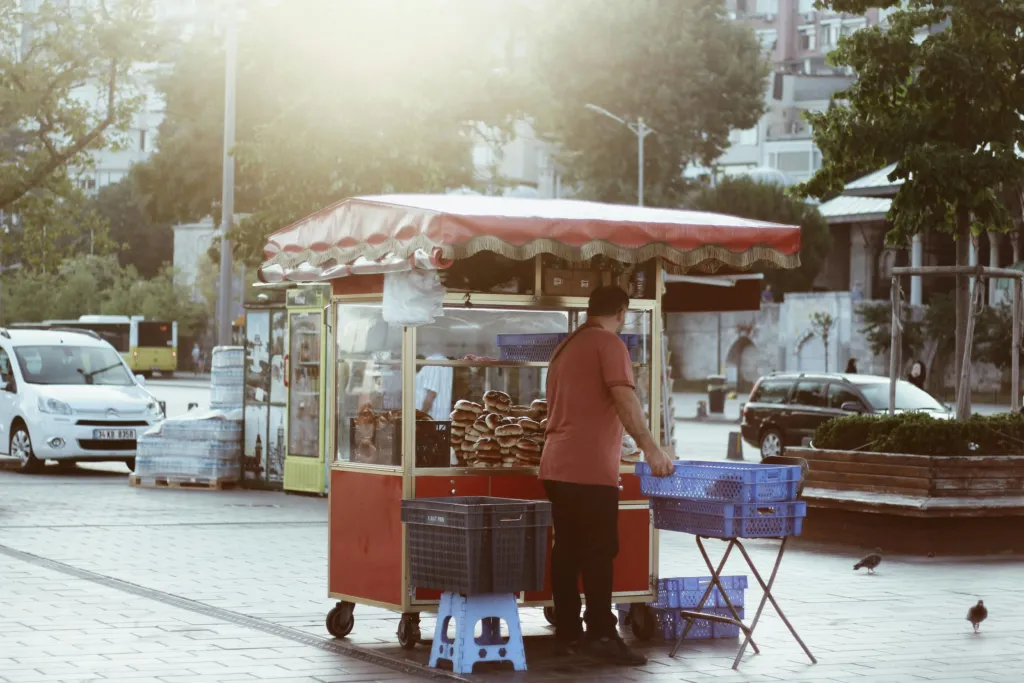
Turkish street food captures the heart of everyday life in Turkey, blending simplicity, flavor, and tradition into meals people enjoy on the go. From early morning breakfasts to late night snacks, these beloved dishes reflect how food fits naturally into busy urban culture. Among the most iconic are simit, kumpir, balık ekmek, and börek, each offering a different taste of Turkey’s culinary identity.
Simit is often called the “Turkish bagel,” but its character is uniquely its own. Coated generously in toasted sesame seeds, this circular bread is crunchy on the outside and soft on the inside. It’s commonly enjoyed with a cup of Turkish tea and makes the perfect portable breakfast for commuters and students. In Turkey, vendors balance trays of simit on their heads while weaving through crowds, making it one of the most recognizable symbols of street food culture. At Istanbul Kitchen, you can elevate the experience by pairing simit with their Turkish breakfast platter, complete with creamy cheeses, briny olives, fresh vegetables, and spreads that transform a simple bread into a satisfying meal.
Another crowd favorite is kumpir, a stuffed baked potato known for its rich, customizable fillings. The potato is baked until fluffy, mixed with butter and cheese, then piled high with toppings such as corn, olives, sausage, pickles, and sauces. What makes kumpir special is its creativity, no two plates look the same. Each person builds their own combination, reflecting the personalization that defines Turkish street cuisine. While Istanbul Kitchen may not serve traditional street-style kumpir, their build-your-own platters echo the same spirit, allowing guests to layer bold flavors and textures inspired by this classic dish.
Balık ekmek, or fish sandwiches, are especially popular along Istanbul’s waterfronts. Freshly grilled fish is tucked into bread and topped simply with lettuce, onions, and lemon. The beauty of balık ekmek lies in its freshness and affordability, offering a satisfying meal with minimal ingredients. Locals and visitors gather near the Bosphorus to enjoy these sandwiches while watching the ferries glide past. Although Istanbul Kitchen doesn’t feature seafood sandwiches, their grilled mains carry the same philosophy, clean flavors, quality ingredients, and bold seasoning that reflect the essence of Turkish street cooking.
Then there’s börek, one of Turkey’s most comforting street snacks. This flaky pastry is layered with thin dough and filled with cheese, spinach, potatoes, or seasoned meat. Crispy on the outside and soft inside, börek is often eaten for breakfast, lunch, or as a midday treat. Vendors sell it in slices that are easy to carry, making it a staple of daily life. At Istanbul Kitchen, their Börek Platter delivers that same authentic taste, offering freshly baked pastries that feel just like the street-side favorites found across Turkey.
Together, these dishes show why Turkish street food is more than quick bites—it’s culture in motion. Whether it’s the crunch of simit, the richness of kumpir, the freshness of balık ekmek, or the comfort of börek, each item tells a story of tradition, accessibility, and connection that continues to shape Turkey’s vibrant food scene.
The Social Experience of Street Food
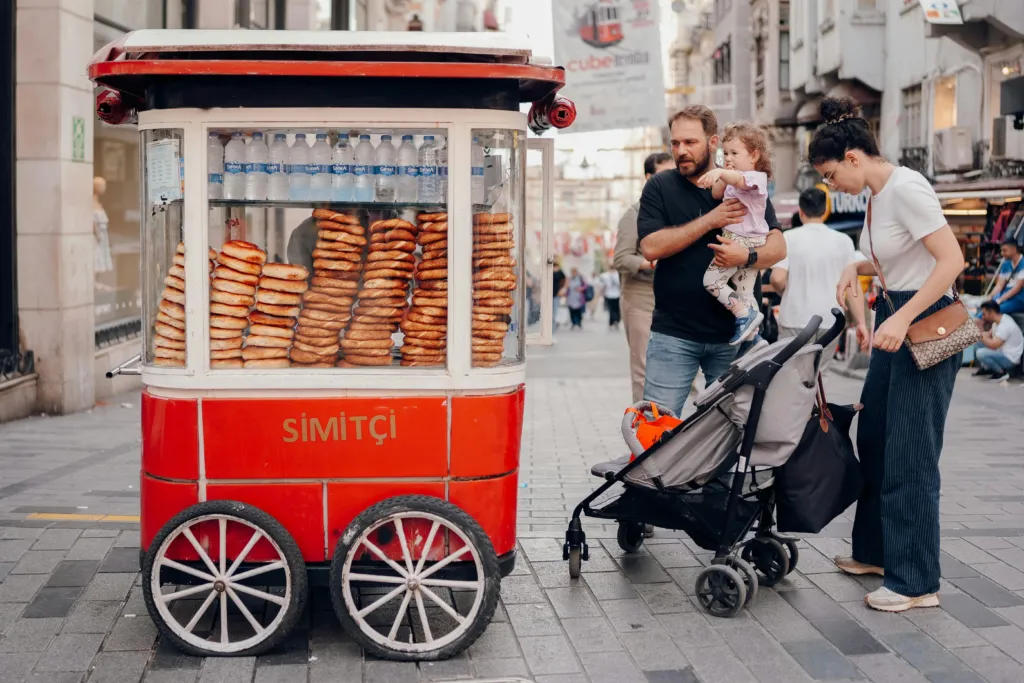
Street food in Turkey does more than satisfy hunger, it builds connection. People naturally gather around carts and kiosks, standing together while enjoying freshly prepared food. These moments are informal, interactive, and part of everyday routines, turning quick bites into shared experiences.
Conversations flow easily between vendors and customers through recommendations and small talk, creating a friendly, familiar atmosphere. Many street foods are also meant to be shared, whether it’s breaking simit, sampling börek, or enjoying different toppings together. Friends, families, and coworkers eat side by side, making meals social rather than rushed.
Over time, local favorites shape neighborhood identity. Beloved vendors become part of the community, and residents take pride in the flavors they call their own.
Istanbul Kitchen brings this communal spirit to Virginia with platters and shareable meals that reflect the social heart of Turkish dining, where food is meant to be enjoyed together.
Balancing Flavors and Portions
One reason Turkish street food is so appealing is its thoughtful balance of flavors. Each bite blends salty, savory, and sometimes lightly sweet notes, all served in manageable portions that satisfy without feeling heavy. This balance allows people to enjoy rich taste while still eating comfortably on the go.
A big part of that experience comes from mezze-style sharing. Instead of one large plate, Turkish street dining often revolves around small dishes like hummus, cacık (yogurt with cucumber and herbs), and dolmas (stuffed grape leaves). These small plates let diners sample a variety of flavors in one sitting without overindulging. It’s a relaxed, social way of eating that encourages curiosity and conversation. At Istanbul Kitchen, mezze platters recreate this same tasting experience, offering carefully portioned selections that mirror the spirit of Turkish street dining.
Street food is also quick and satisfying by design. Many items are portable, easy to eat, and packed with flavor. Simit, börek, and small pastries deliver energy, texture, and comfort in just a few bites. They fit naturally into busy routines while still leaving a memorable impression.
Together, mezze-style sharing and grab-and-go dishes show how Turkish street food combines flavor, convenience, and enjoyment, proving that simple food can still feel rich, social, and deeply satisfying.
Seasonal and Regional Variations
Street food in Turkey evolves with the seasons, reflecting what’s fresh, comforting, and locally available. During the summer months, markets and sidewalks fill with vendors selling grilled corn on the cob, chilled drinks, and lighter snacks that keep people refreshed in the heat. In winter, the atmosphere shifts to warm aromas of roasted chestnuts, steaming soups, and freshly baked pastries that offer comfort against the cold. This seasonal rhythm keeps Turkish street food dynamic and closely connected to daily life.
Beyond the seasons, regional differences add even more character to Turkey’s street food culture. In Istanbul, the influence of the sea and city life shines through in seafood specialties, kumpir, and the ever-present simit found on nearly every corner. Ankara leans toward hearty, meat-centered kebabs and savory pastries that reflect its inland traditions. Gaziantep, famous for its culinary heritage, is known for rich pistachio desserts, syrupy baklava, and bold flavors that showcase craftsmanship passed down for generations.
Together, these seasonal and regional variations create a diverse and exciting street food landscape across Turkey. At Istanbul Kitchen, this inspiration comes to life through platters that reflect both the seasons and the regions, allowing guests to experience the wide range of Turkish flavors in one place while celebrating the diversity of Turkey’s cuisine.
Modern Adaptations in Restaurants
While Turkish street food is traditionally informal, modern restaurants like Istanbul Kitchen bring those same flavors into comfortable dine-in and takeout experiences. By adapting classic street-style dishes for today’s lifestyle, they preserve the spirit of Turkish cuisine while offering convenience and consistency.
Shareable platters mimic the social nature of street-side dining, allowing guests to sample multiple items just as they would at a busy market stall. Customizable meals reflect the personalization found with street vendors, giving diners the freedom to build plates that match their own tastes and cravings. At the same time, freshness remains a priority. Using authentic ingredients and careful preparation ensures the flavors stay true to the quality people expect from real Turkish street food.
This approach lets guests enjoy the charm and flavor of Turkey’s streets in a modern, welcoming setting—perfect for relaxed meals, group gatherings, or easy takeout without losing authenticity.
Street Food and Everyday Life
Street food plays an important functional role in Turkish daily life, fitting naturally into every part of the day. It isn’t only about flavor, it’s about convenience, rhythm, and tradition working together.
In the morning, many people start their day with breakfast on the go. A fresh simit paired with hot Turkish tea fuels busy routines for commuters, students, and shop owners heading to work. It’s simple, fast, and comforting.
By midday, street food becomes an affordable lunch option for workers. Kebab wraps, börek, and other handheld meals offer enough energy to keep people going without taking long breaks. These quick lunches balance nourishment with efficiency.
In the evening, vendors shift toward lighter bites and sweets. After dinner, people often stop for pastries, roasted chestnuts, or small desserts while walking with friends or family. These snacks extend social time and add enjoyment to nighttime routines.
By weaving street food into daily schedules, from morning to night, Turks stay connected to culinary tradition while meeting the demands of modern life in a practical, flavorful way.
Lessons From Street Food Culture
Turkish street food offers more than convenience, it teaches meaningful lessons about how people eat, share, and connect through food. From social habits to mindful portions and cultural discovery, these traditions continue to influence modern dining experiences.
One of the strongest values is community and sharing. Street food reminds us that meals are meant to be enjoyed together, not rushed alone. People gather around stalls, exchange stories, and pass plates among friends. Istanbul Kitchen carries this spirit forward with communal platters designed for groups, encouraging guests to bring people together around one table and recreate the warmth of Turkish street dining.
Another lesson is portion control. Instead of oversized meals, Turkish street food focuses on smaller, satisfying servings that let diners taste multiple dishes without overindulging. This approach promotes balance and variety. By ordering platters or build-your-own meals, guests follow the same mindful style of eating, sampling flavors while staying comfortably full.
Finally, street food acts as a form of culinary education. Many first encounters with Turkish spices, herbs, and techniques happen at street stalls. Each dish introduces local ingredients and traditional cooking methods, deepening appreciation for the richness of Turkish cuisine. Experiencing these flavors encourages curiosity and respect for the culture behind the food.
Together, these lessons show why Turkish street food is not just about eating, it’s about learning, connecting, and enjoying food in a meaningful way.
In Conclusion
Street food in Turkey is a cultural experience that goes beyond eating. It reflects community, convenience, and centuries of culinary tradition. At Istanbul Kitchen, diners can capture the essence of these vibrant street flavors through thoughtfully prepared platters, shareable dishes, and customizable meals.
Step into the world of Turkish street food without leaving Tysons Corner. Taste simit, borek, and kebabs with friends or family, savor the authenticity of every bite, and experience the social joy of traditional Turkish dining. Bring the spirit of Turkey’s streets to your table at Istanbul Kitchen.