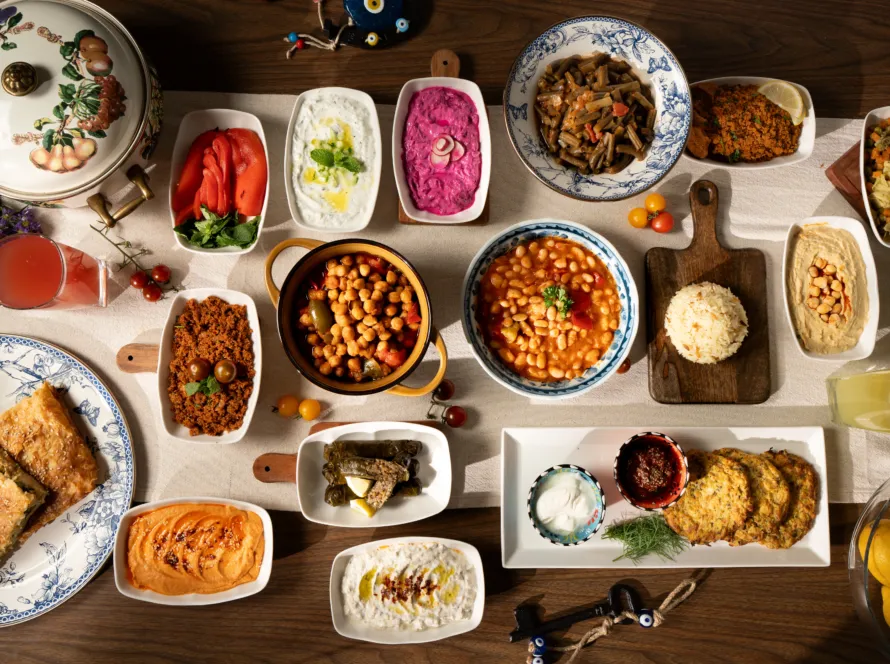
The history of Turkish dishes reveals a vibrant story shaped by ancient civilizations, global trade routes, and deeply rooted regional traditions. Situated at the crossroads of Europe, Asia, and the Middle East, Turkey has long been a meeting point for cultures, empires, and travelers. Each era, from the Seljuks and Ottomans to modern day Anatolia, contributed ingredients, techniques, and flavors that evolved into what we now recognize as iconic Turkish cuisine. Food in Turkey is more than nourishment; it is a reflection of history, hospitality, and cultural exchange passed down through generations.
At Istanbul Kitchen in Tysons Corner, diners experience this rich legacy through beloved classics such as grilled kebabs, traditional Turkish flatbreads (pide), delicate manti dumplings, and vibrant mezze spreads. Each dish carries influences from centuries of culinary development, blending simplicity with depth of flavor.
In this blog, we’ll explore how history shaped these signature dishes, tracing culinary threads from ancient Anatolia to modern plates, and highlighting how tradition continues to thrive in contemporary kitchens like Istanbul Kitchen, where every bite tells a story of Turkey’s remarkable past and flavorful present.
A Culinary Legacy Shaped by Empires
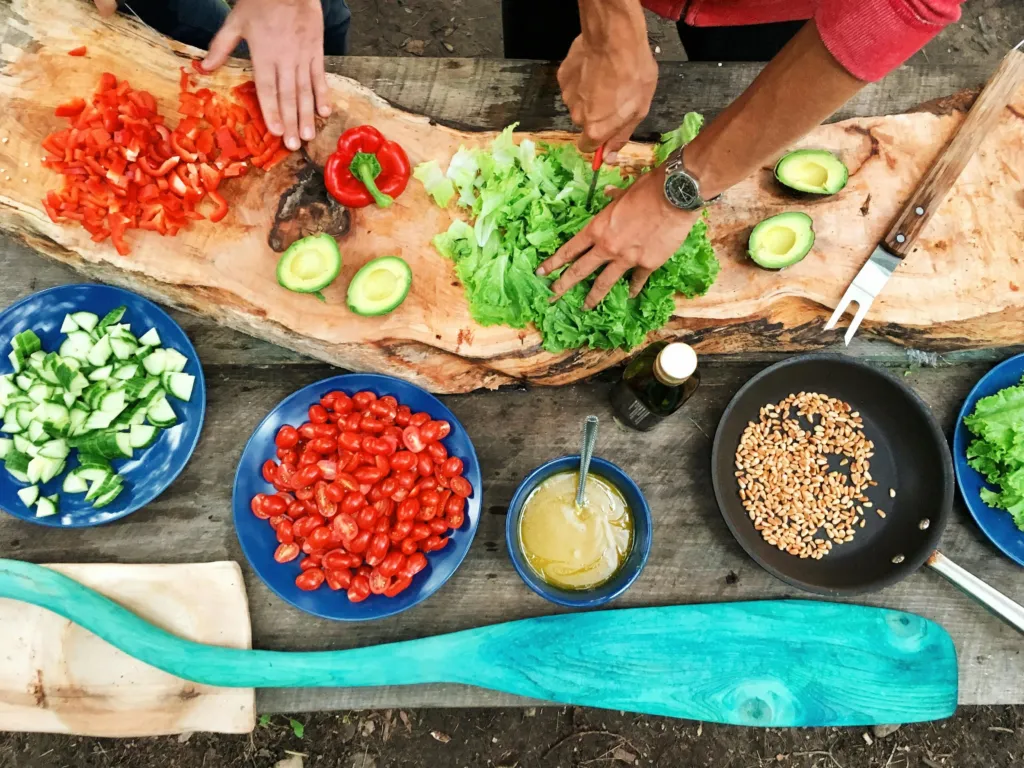
The evolution of Turkish cuisine is deeply tied to the Ottoman Empire and centuries of cultural exchange. At its height, the Ottoman Empire connected Southeast Europe, Western Asia, and North Africa, bringing together diverse peoples and food traditions under one influence. Ingredients such as spices, grains, fruits, and meats traveled across continents and became part of a shared culinary language. The Ottoman court elevated cooking into an art form, emphasizing layered flavors, refined techniques, and elegant presentation. What began in palace kitchens eventually shaped everyday meals, and many of today’s favorites like grilled kebabs and mezze-style starters still reflect this heritage of balance and sophistication.
At the same time, Turkey’s strategic location along major trade routes introduced even more variety into its food culture. Spices from the East, citrus from the Mediterranean, and nuts and dried fruits from inland regions flowed into local markets and home kitchens. These exchanges transformed meals into expressions of geography and history, blending practicality with creativity. Together, imperial influence and global trade helped shape Turkish cuisine into the rich, approachable, and deeply rooted tradition diners enjoy today.
Kebabs: More Than Grilled Meat
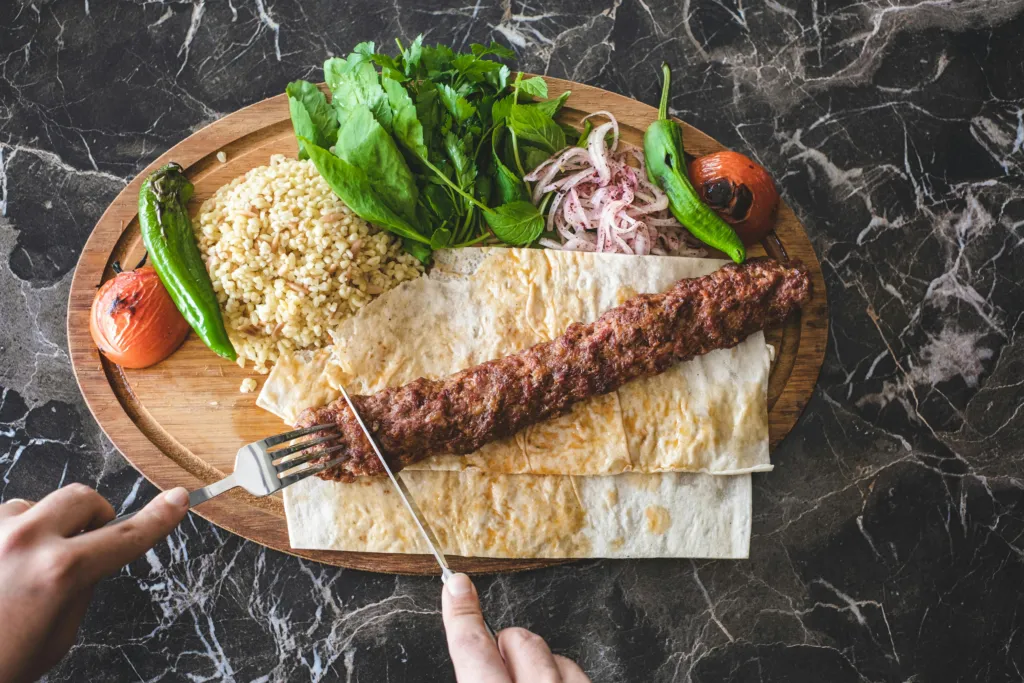
One of the most recognizable staples of Turkish cuisine is the kebab, a dish that blends simplicity with centuries of tradition. At Istanbul Kitchen, favorites like Adana kebab and chicken shish carry this legacy to the table, but the story of kebabs begins long before modern restaurants. Their origins trace back to the nomadic tribes of Central Asia, who cooked meat over open fires for practicality and flavor. As Turkish communities migrated west into Anatolia, this basic method evolved. Local herbs, regional spices, thicker cuts of meat, and improved grilling techniques transformed simple roasted meat into a refined culinary craft.
Over time, kebabs diversified across regions. Adana kebab, from the southern city of Adana, became known for its hand-minced meat, gentle spice blend, and charcoal grilling, while lamb and chicken shish showcased marinated cubes designed to highlight natural flavors rather than overpower them. These variations reflect Turkish cuisine’s historical adaptability, taking a humble cooking method and tailoring it to local ingredients, culture, and taste, resulting in the iconic kebabs enjoyed today.
Pide and Flatbreads: Earliest Staples
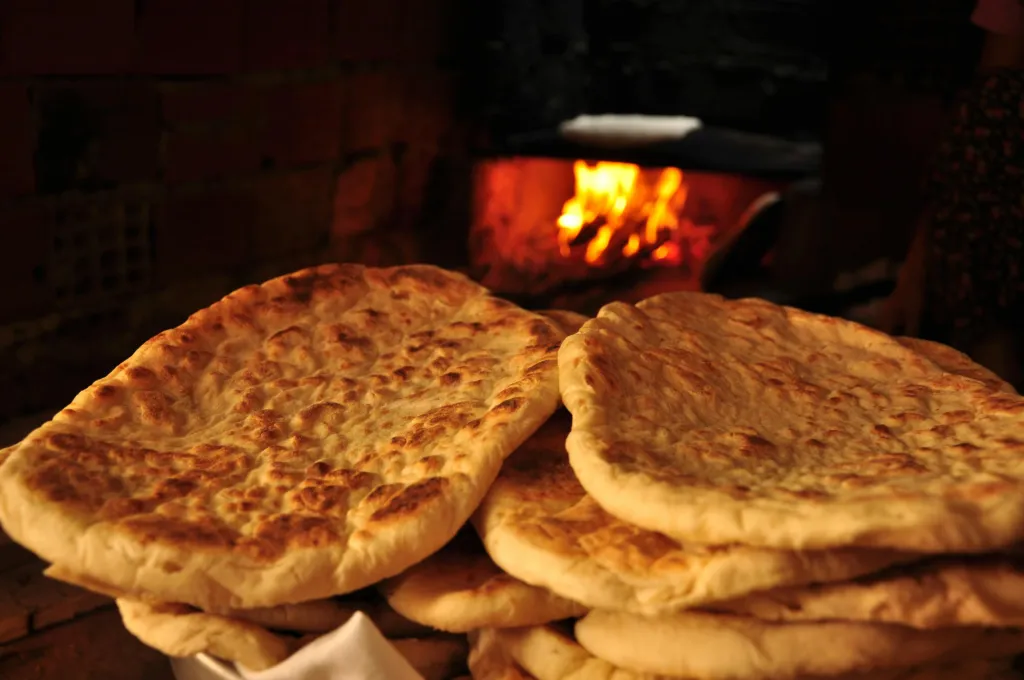
Flatbreads have been a cornerstone of Anatolian diets for thousands of years, long before the invention of modern ovens. They offered farmers, travelers, and soldiers a form of nourishment that was portable, hearty, and dependable, making bread an essential part of daily survival. As techniques evolved, these simple flatbreads became more refined without losing their purpose.
One of the most iconic examples is pide, the Turkish boat-shaped flatbread topped with ingredients such as cheese, ground meat, or vegetables. Pide reflects the regional diversity found across Turkey, where each area adapts toppings to local tastes while preserving the bread’s warm, satisfying base. Rather than relying on heavy sauces, toppings are designed to complement the dough’s texture and flavor, honoring ancient traditions where every ingredient served a meaningful role. Today, pide bridges the gap between basic sustenance and celebratory food, remaining both a popular street bite and a comforting sit-down meal that continues to connect modern diners to Turkey’s culinary past.
Manti: Tiny Dumplings With Big History
Manti, a dish of delicate, hand-folded dumplings filled with seasoned meat, is one of Turkey’s most beloved comfort foods and a standout on Istanbul Kitchen’s menu. Often served with cool, creamy yogurt and finished with a light butter or tomato sauce, manti delivers rich flavor without overwhelming the palate. Its bite-sized shape and soft texture make it approachable for both adventurous diners and first-timers exploring Turkish cuisine.
Manti’s roots trace back to Central Asia, where nomadic communities relied on practical, portable foods for long journeys. As merchants and travelers moved along the Silk Road, they carried these filled dough parcels with them, allowing the recipe to evolve as it crossed borders and cultures. Each region added its own touches, subtle spices, cooking techniques, or sauces, while preserving the heart of the dish: minced meat wrapped in tender dough.
Because of its small size, manti became perfect for sharing during family gatherings and celebrations. Preparing it was often a communal activity, bringing people together around the table long before the meal was served.
Today, Turkish manti honors this centuries-old tradition with a refined balance of textures and flavors. The softness of the dumplings, the tang of yogurt, and the gentle warmth of spices come together in a comforting, satisfying dish that connects modern diners to the historic kitchens of the Silk Road.
Mezze: A Shared Tradition
Mezze, a colorful collection of small plates and appetizers, reflects the heart of Turkish dining culture, communal, welcoming, and unhurried. Rather than focusing on a single dish, mezze invites diners to explore a variety of flavors in one sitting. Each plate offers a small discovery, encouraging conversation and shared enjoyment at the table.
From creamy hummus and bright ezme (a spiced tomato and pepper dip) to vegetables gently dressed in olive oil, mezze introduces guests to the balance and freshness that define Turkish cuisine. The portions are light yet satisfying, making them perfect for selective eaters and adventurous food lovers alike.
Historically, Turkish meals often began in open courtyards or family dining rooms where hospitality guided every detail. Before any main course arrived, hosts would present small bites to welcome guests and set a relaxed tone. These early mezze selections allowed everyone to sample a range of textures and flavors without committing to a single dish.
More than nourishment, mezze shaped the rhythm of the meal. Eating slowly, sharing stories, and passing plates from hand to hand turned dining into a social ritual rather than a rushed routine. Food became a reason to linger, laugh, and connect.
Istanbul Kitchen preserves this timeless tradition by offering thoughtfully prepared, shareable starters that invite guests to pause, explore, and enjoy the experience together, just as Turkish tables have done for generations.
Rice and Pilafs: A Grain That Travels
Rice entered Turkish cuisine through centuries of exchange with Persian and Central Asian cultures. Over time, simple grains became fragrant pilafs enhanced with butter, nuts, and mild spices. Instead of overpowering dishes, Turkish rice balances bold flavors and absorbs surrounding sauces, showing how simple ingredients are elevated through care. Pilav is a staple because of its versatility and elegance. Though it looks simple, proper pilav takes technique—washing, sautéing in butter, and gently simmering so each grain stays light and separate. This tradition turns everyday rice into refined comfort food and a perfect partner to Turkish mains at Istanbul Kitchen.
Desserts: Sweet Endings With Stories
Desserts such as baklava, revani, and şekerpare trace their roots to the refined kitchens of the Ottoman Empire, where sweets were crafted not just for taste, but for hospitality and celebration. These desserts reflected elegance, patience, and the belief that a meal should end with something memorable. Baklava became famous for its paper-thin phyllo layers stacked with nuts and gently soaked in syrup, a process that required skill and care in imperial kitchens. Each bite represents centuries of technique passed down through generations.
Alongside it, revani, a soft semolina cake, and şekerpare, tender syrup-soaked cookies, offered a balance of light texture and sweetness that appealed to everyday diners as well as palace guests. Over time, these treats moved from royal tables to family homes and modern restaurants, preserving the tradition of finishing meals with warmth, comfort, and a lasting impression, just as Istanbul Kitchen continues to do today.
Modern Interpretations, Preserved Origins
While contemporary kitchens like Istanbul Kitchen present these dishes with modern consistency and careful plating, the essence of Turkish cuisine remains deeply rooted in history. Traditional techniques, slow grilling, hand-rolling dough, and thoughtfully balancing spices, have been passed down through generations, ensuring that each dish carries the flavor, texture, and care of its origins. Similarly, foundational ingredients like olive oil, yogurt, grains, and fresh herbs reflect centuries of agricultural knowledge and culinary practice. Their continued use not only preserves authentic taste but also highlights the adaptability and enduring importance of these staples in Turkish diets, connecting diners today with a rich culinary heritage.
The Role of Hospitality in Turkish Eating Traditions
In Turkish culture, food is more than sustenance, it is a gesture of welcome and respect. Serving generous platters and encouraging guests to share reflects a long-standing tradition of hospitality, one that celebrates abundance while honoring the principle of minimal waste. Historically, meals were communal affairs, with families, neighbors, and travelers gathering around shared tables to exchange dishes, stories, and laughter. This spirit of togetherness transforms dining into an experience rather than mere consumption, a philosophy that continues in modern Turkish kitchens like Istanbul Kitchen, where every meal invites connection, conversation, and shared enjoyment.
In Conclusion
The history Turkish dishes is a narrative of culture, movement, innovation, and gathering. From the grilling techniques of nomadic tribes to the refined desserts of palace kitchens, each recipe carries significance beyond flavor. At Istanbul Kitchen, these traditions are honored through thoughtful preparation and a menu that reflects both heritage and modern warmth.
Rediscover familiar favorites with a deeper appreciation for their origins. Invite friends or family to explore the rich tapestry of Turkish culinary history at Istanbul Kitchen. Try a variety of dishes, from mezze to kebabs, from flatbreads to desserts, and let every bite connect you to centuries of tradition. Make your next meal a meaningful experience that celebrates flavor, culture, and connection.