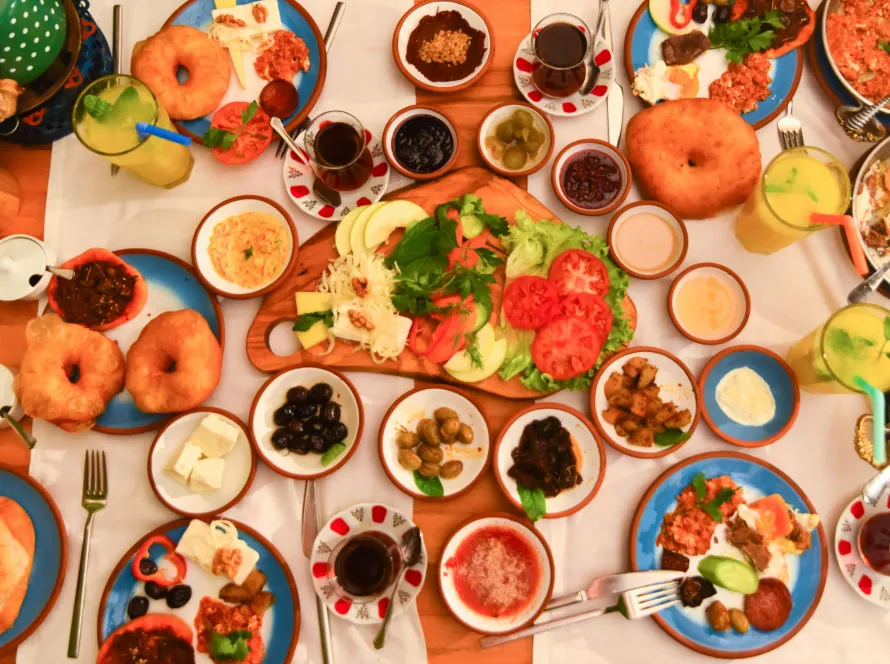
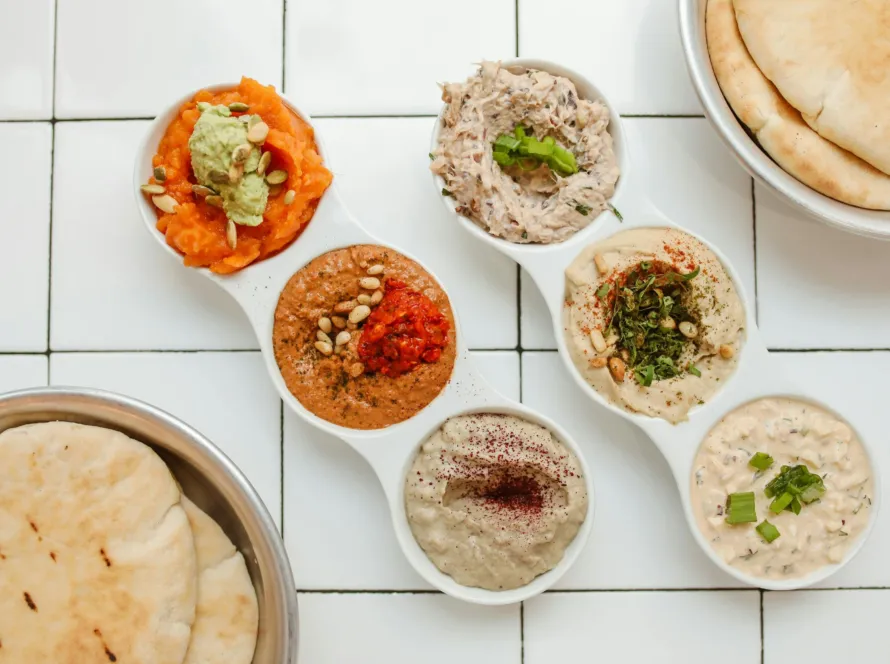
Turkish desserts hold a special place in Turkish culinary culture. Many guests enjoy them with traditional beverages such as tea and coffee. Restaurants like Istanbul Kitchen present desserts as part of a complete dining experience rather than as simple sweets. Flavor balance plays an important role in each pairing. Texture also shapes how guests enjoy each bite. Drink pairings support the rhythm of the meal and create a sense of harmony at the table. Guests often continue conversations during dessert service. This tradition turns dessert into a shared social moment rather than a quick ending to the meal.
In Turkish dining culture, dessert represents an extension of hospitality and connection. Guests often remain seated after the main meal and continue to enjoy time together. Tea refreshes the palate and softens the richness of syrup-based pastries. Coffee adds depth and contrast through its bold taste and aroma. These beverages support a slower pace at the table. The experience encourages conversation and relaxation. Many diners view this stage of the meal as one of the most memorable parts of the visit.
This guide explains how Turkish desserts pair with tea and coffee in traditional settings. It introduces common pairing styles found across Turkey. It also helps first-time visitors recognize how locals enjoy dessert in a social environment. Guests can explore flavor combinations with greater confidence and awareness. These insights support a richer dining experience and a deeper appreciation of Turkish dessert culture.
Why Tea Complements Sweet Desserts
Tea as a Flavor Reset
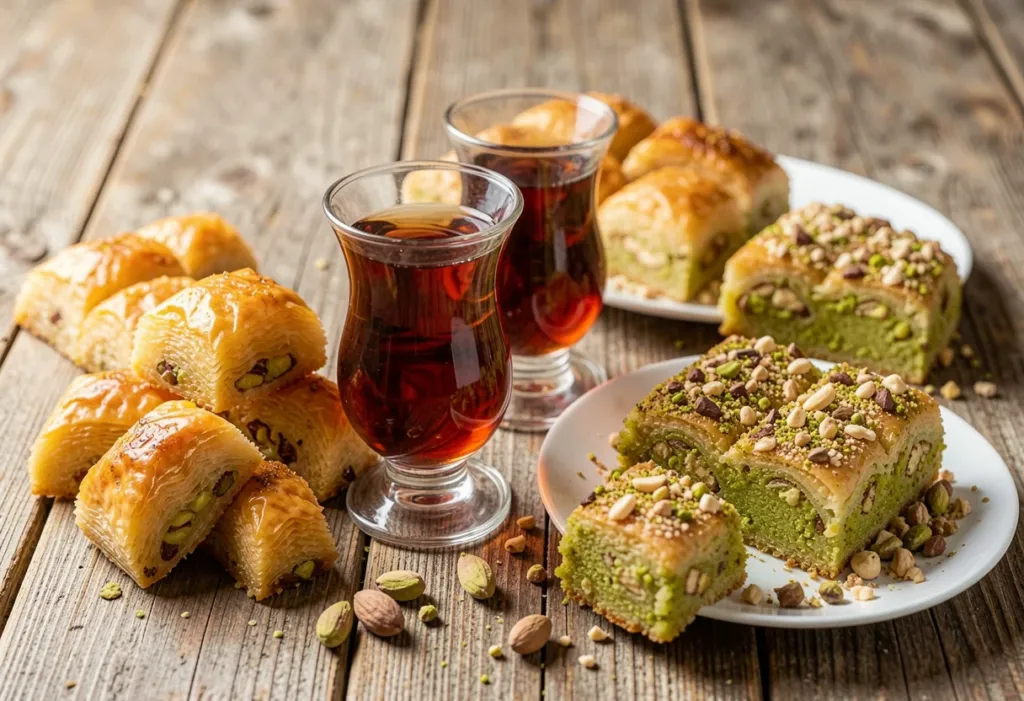
Tea plays an important role as a natural flavor reset during dessert service. A warm sip of tea clears lingering sweetness after each bite of a rich pastry. This simple step helps the palate stay fresh and ready for the next taste. Guests often move between dessert and tea in a steady rhythm. This pattern supports a relaxed pace at the table. Turkish dining traditions encourage slow enjoyment rather than quick eating. Tea helps maintain balance throughout the dessert experience. It also supports conversation and comfort during the final stage of the meal.
Balancing Syrup-Heavy Desserts
Many Turkish desserts include honey or sugar syrup. These ingredients create deep flavor and a satisfying texture. The sweetness can feel strong when eaten without a beverage. Tea provides balance and structure during dessert service. It reduces sweetness intensity and refreshes the palate between bites. It adds warmth without heaviness or extra richness. It keeps flavors clean and easy to enjoy over time. This balance allows guests to appreciate layered textures and nutty fillings more clearly. Tea supports a comfortable and enjoyable dessert experience from the first bite to the last.
Enhancing Light Desserts
Not all Turkish desserts are rich or syrup-based. Many traditional sweets use milk, rice, or fruit as their main ingredients. These lighter desserts benefit from the gentle character of tea. Tea supports natural flavor instead of covering it. It keeps the experience fresh and smooth across each bite. Guests often enjoy tea with milk puddings and fruit-based sweets during afternoon visits. The pairing creates a calm and balanced finish to the meal. This combination reflects the simplicity and elegance found in many Turkish dessert traditions.
Common Tea Pairings
Guests often explore several tea pairings during dessert service at Istanbul Kitchen. Baklava with black tea creates a classic balance between sweetness and warmth. Pistachio cake with medium-brewed tea highlights nutty flavor and soft texture. Milk pudding with light tea offers a gentle and refreshing combination. Simit-style pastries with morning tea support a simple and comforting start to the day. Each pairing shows a different side of Turkish dessert culture. Together, these combinations create a complete and memorable dessert experience that feels traditional and welcoming.
Coffee Pairings That Enhance Flavor
Why Coffee Works With Desserts
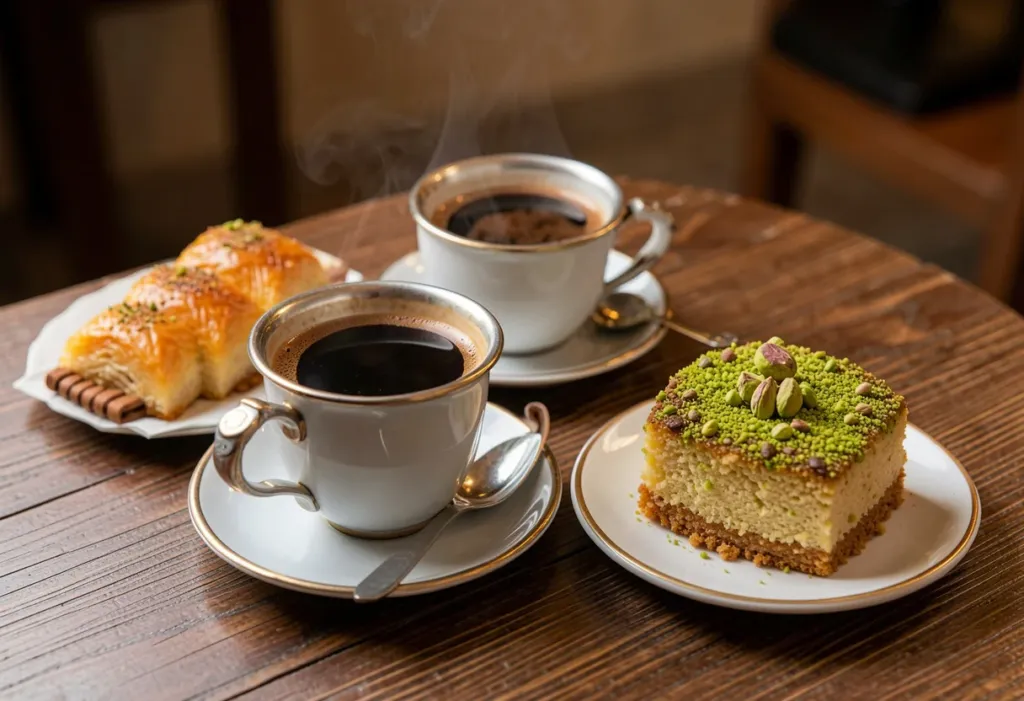
Turkish coffee brings intensity, depth, and aroma to dessert pairings. It creates a strong contrast with sweet flavors and highlights the richness of traditional pastries. The slightly bitter profile balances syrup-based desserts and keeps each bite from feeling too heavy. Its roasted aroma adds another layer of sensory experience to the table. Guests often enjoy coffee in small, slow sips between bites of dessert. This rhythm supports a relaxed and intentional dining pace. The pairing reflects a long-standing tradition in Turkish dessert culture and adds structure to the overall meal experience.
Pairing Coffee With Syrupy Desserts
Syrup-based desserts such as baklava become more balanced when paired with Turkish coffee. The bitterness of the coffee reduces the intensity of sweetness and allows nutty flavors to stand out more clearly. Each sip refreshes the palate and prepares guests for the next bite. The contrast between strong coffee and layered pastry creates a satisfying combination. Guests often prefer this pairing after a full meal because it feels structured and complete. The experience highlights both texture and flavor without overwhelming the palate. This pairing remains one of the most recognizable dessert traditions in Turkish dining.
Nut-Based Desserts and Coffee Harmony
Nut-based desserts pair naturally with Turkish coffee because their flavors complement each other well. Pistachios, walnuts, and almonds share earthy notes that match the roasted character of the coffee. This harmony creates a smooth and balanced tasting experience. Guests often notice deeper flavor complexity when these elements appear together. The pairing supports both traditional pastries and modern dessert variations. It also adds warmth and richness to the final stage of the meal. This combination remains popular across many Turkish dessert settings and continues to appeal to new diners.
Coffee as a Dining Ritual
Turkish coffee plays an important role in the rhythm of the dining experience. It often signals the closing stage of the meal and creates a calm transition after dessert service. Guests usually enjoy coffee slowly and in conversation with others at the table. This tradition reflects hospitality and social connection within Turkish culture. The ritual encourages guests to relax and extend their visit rather than leave immediately. Many diners consider this moment one of the most memorable parts of the experience. Coffee strengthens the connection between food, conversation, and shared time at the table.
Best Coffee Pairings
Several dessert pairings highlight the versatility of Turkish coffee during the final course of a meal. Baklava with Turkish coffee creates a classic contrast between sweetness and roasted bitterness. Pistachio desserts with espresso-style coffee bring out nutty richness and aroma. Chocolate-based sweets with mocha-style coffee create a deeper and more indulgent flavor combination. Creamy desserts with light coffee offer a gentle and balanced finish. Each pairing supports a different flavor profile and enhances the overall dessert experience. Together, these combinations reflect the thoughtful balance found in traditional Turkish dining culture.
Best Pairings for First-Time Visitors
Start With Balanced Desserts
For those new to Turkish desserts, starting with balanced selections helps create a comfortable introduction to the experience. Choose desserts that feel light and approachable in both flavor and texture. Pistachio cake offers a gentle nutty taste and soft structure that pairs well with tea or coffee. Milk pudding provides a smooth and refreshing option that supports slower tasting. Light syrup pastries deliver sweetness without heaviness and remain easy to enjoy. Fruit-based sweets add brightness and natural flavor that keeps the palate fresh. These desserts allow both tea and coffee to stand out and help guests explore traditional pairings with confidence.
Simple Pairing Structure
A simple pairing structure helps guests understand how beverages support different dessert styles. Light desserts often pair best with tea because tea keeps flavors clean and balanced. Rich desserts pair naturally with coffee because coffee adds contrast and depth. Nut-based desserts work well with either tea or coffee depending on the guest’s preference. Syrupy desserts usually pair best with coffee because bitterness reduces sweetness intensity. This structure helps first-time visitors make comfortable choices and enjoy each dessert more fully. It also reflects the thoughtful balance found across Turkish dining traditions.
The Role of Sharing Desserts
Sharing desserts plays an important role in Turkish dining culture. Guests often place several dessert selections at the center of the table and enjoy them together. This approach encourages tasting different textures and flavors during the same visit. It also creates opportunities to try both tea and coffee pairings in one sitting. The experience becomes more social and interactive when desserts are shared. At Istanbul Kitchen, sharing desserts remains a natural part of the dining rhythm rather than an exception. Guests often discover new favorites through this relaxed and welcoming tradition.
First-Time Recommended Pairings
Several classic pairings provide a complete introduction to Turkish dessert traditions. Baklava with Turkish coffee creates a strong contrast between sweetness and roasted flavor. Pistachio cake with tea highlights nutty texture and gentle aroma. Milk pudding with tea offers a smooth and refreshing combination that feels light and comforting. Chocolate dessert with coffee creates a deeper and richer flavor experience. These combinations reflect the traditional balance between sweetness and depth that defines Turkish dessert culture. They also help first-time visitors enjoy a well-rounded and memorable introduction to these classic pairings.
The Cultural Meaning Behind Dessert Pairings
Dessert as a Social Experience
In Turkey, dessert represents more than a sweet ending to a meal. It becomes a shared moment that brings people together at the table. Families and friends often remain seated after the main course and continue their conversations while enjoying desserts slowly. Plates move around the table so everyone can taste different selections. This habit encourages connection and creates a relaxed atmosphere. Tea and coffee naturally extend this experience and support a steady dining rhythm. Dessert becomes part of a larger social ritual that values presence, conversation, and hospitality.
Hospitality in Every Sip
Serving tea or coffee after dessert reflects a long-standing tradition of hospitality in Turkish culture. Hosts offer beverages as a sign of respect and welcome. Guests often accept this gesture as part of the shared dining experience. The pairing of sweets with warm drinks helps create comfort at the table. It also signals that the meal continues in a slower and more relaxed way. Restaurants such as Istanbul Kitchen follow this tradition by presenting beverages alongside desserts in a thoughtful and structured manner. This approach helps guests feel cared for and encourages them to enjoy the final stage of the meal at an easy pace.
Slow Dining Philosophy
Turkish dessert culture encourages a slower approach to eating and conversation. Guests savor each bite and notice texture, aroma, and flavor more carefully. They sip tea or coffee between spoonfuls to refresh the palate. They share dishes so everyone can experience different desserts together. They continue conversations while enjoying the final course without hurry. This relaxed rhythm creates a calm and memorable dining experience. It also reflects a cultural preference for connection and enjoyment rather than speed at the table.
Why Istanbul Kitchen Embraces Traditional Pairings
At Istanbul Kitchen, dessert pairings are thoughtfully prepared to reflect authentic Turkish dining customs and traditions. Desserts appear as part of a complete experience rather than as standalone menu items. Tea and coffee accompany sweets to support flavor balance and create a more structured finish to the meal. Guests enjoy a dining rhythm that feels relaxed and intentional from the first bite to the final sip.
Carefully selected beverage pairings highlight the natural sweetness, texture, and aroma of each dessert. Tea refreshes the palate and keeps flavors light and clean. Coffee adds contrast and depth through its roasted character. These combinations allow guests to notice subtle flavor details that might otherwise go unnoticed. Many visitors discover new taste connections during this stage of the meal. The result is a layered tasting experience that reflects the warmth, hospitality, and balance found in traditional Turkish dessert culture.
Experience Turkish Desserts the Way They’re Meant to Be Enjoyed
Pairing Turkish desserts with tea and coffee transforms a simple sweet course into a layered cultural experience that reflects both tradition and hospitality. Tea brings balance and lightness to syrup-based and creamy desserts, helping refresh the palate between bites. Coffee adds depth, aroma, and gentle contrast that highlights nutty textures and rich flavors. Together, these beverages create a steady dining rhythm that encourages guests to slow down, share the moment, and enjoy dessert as part of a social tradition rather than a quick ending to the meal.
At Istanbul Kitchen, these traditions remain an important part of the dining experience. Desserts and beverages are prepared and served with intention so they complement each other at the table, not simply appear as separate menu selections. Guests often notice how tea softens sweetness and how coffee enhances roasted and nut-based notes across different desserts. These thoughtful pairings help create a balanced and memorable finish to the meal. They also introduce first-time visitors to the welcoming pace and shared enjoyment that define Turkish dessert culture.
Ready to experience Turkish desserts the authentic way? Visit Istanbul Kitchen and discover how traditional tea and coffee pairings transform every bite of baklava, pistachio cake, and other classic sweets into something more meaningful and memorable. Enjoy desserts the way they are meant to be experienced—slowly, socially, and with thoughtful balance between flavor and aroma.
Bring friends or family and explore a variety of desserts together at the table. Share plates, try different beverage pairings, and notice how each sip of tea or coffee enhances texture and sweetness in a new way. Whether it is your first visit or a return trip, these authentic pairings offer a warm introduction to Turkish dessert culture and create a relaxed ending to any meal worth remembering.