Manti is one of the most beloved comfort foods in manti, known for its delicate dumpling shape, savory filling, and signature yogurt-based topping. The dish represents careful preparation, regional identity, and the layered flavor structure that defines traditional Turkish home cooking. In restaurants that highlight authentic Anatolian cuisine, manti reflects craftsmanship and family-style traditions that remain central to the Turkish dining experience.
Often compared to dumplings from other parts of the world, manti stands apart through its smaller size, precise folding technique, and its distinctive serving style with garlic yogurt and warm spiced butter sauce. These elements create a balanced contrast between creamy texture, tangy brightness, savory filling, and aromatic spice. The combination delivers depth without heaviness, which makes the dish both comforting and refined.
For first-time diners exploring Turkish cuisine, manti offers an accessible introduction to traditional flavors. The familiar dumpling format feels approachable, while the yogurt and butter sauce introduce new taste layers that reflect the character of Anatolian cooking. This balance makes the dish especially popular among guests discovering Turkish food for the first time.
Understanding what makes manti unique helps diners recognize why the dish continues to hold a special place at the Turkish table. Families prepare it during gatherings and celebrations. Restaurants present it as a signature comfort dish that represents heritage and hospitality. From kitchens across Anatolia to traditional dining spaces abroad, manti remains a lasting symbol of warmth, precision, and shared culinary tradition.
What Makes Manti Unique?
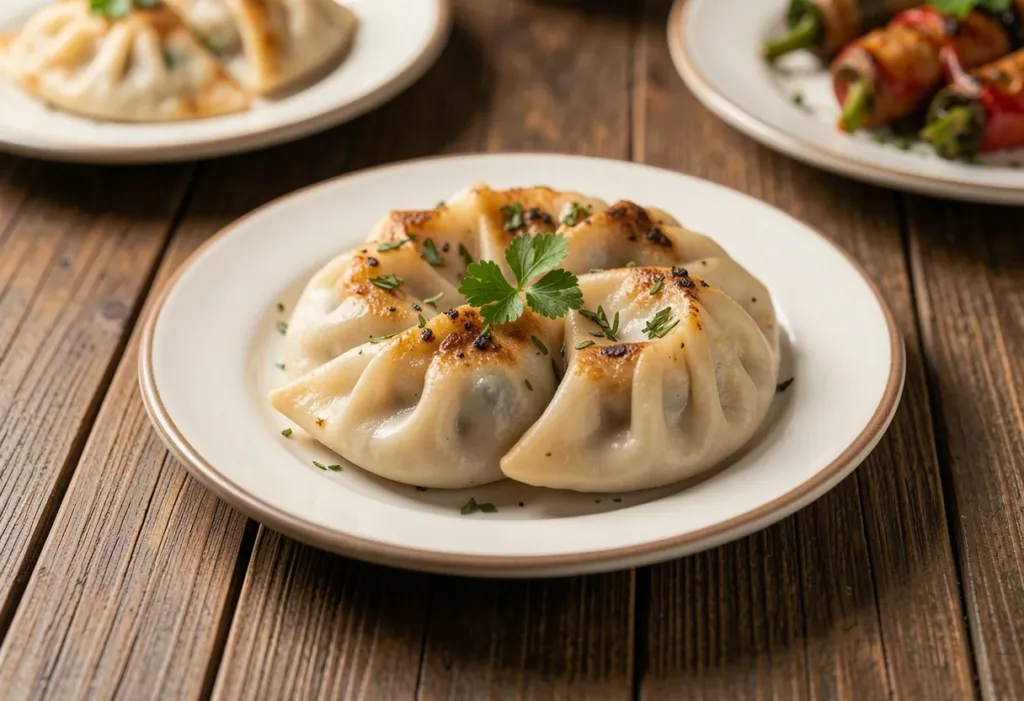
Manti may resemble dumplings found in other cultures. Its preparation style, presentation method, and flavor structure make it distinctly Turkish. Traditional manti appears in very small parcels that require patience and precision during preparation. Families often gather to shape each piece by hand. This shared activity reflects the value placed on craftsmanship and presentation in Turkish cuisine.
Manti uses a signature topping that differs from soy-based or vinegar-based dumpling sauces found in other culinary traditions. Garlic yogurt creates freshness and creaminess. Melted butter adds warmth and richness. Mild Turkish spices introduce aroma and depth. Dried herbs complete the flavor balance. These elements create contrast between savory filling, tangy yogurt, and fragrant butter.
The dish originated in Anatolia and remains one of the region’s most recognizable traditional foods. Regional variations appear across different parts of Turkey. Folding techniques vary by location. Seasoning styles change slightly between households. Core elements remain consistent across versions. Small dumplings, savory filling, yogurt topping, and warm butter sauce define the dish.
Many people in Turkey associate manti with home-style cooking and family gatherings. The dish often appears during shared meals and special occasions. This cultural connection gives manti lasting meaning across generations. Restaurants that serve traditional Turkish cuisine prepare manti with attention and respect for its heritage and presentation.
Traditional Ingredients
The flavor of manti comes from a thoughtful combination of simple ingredients prepared with precision. Each layer contributes texture, contrast, and balance. The result reflects the clarity and structure found in traditional Turkish comfort food.
Dough Made From Basic Pantry Staples
Traditional manti dough uses flour, eggs, water, and salt. These ingredients create a smooth and flexible base for shaping small dumplings. The dough must roll thin to support delicate folding and even cooking. Thin rolling improves texture and prevents heaviness during serving. Proper thickness allows the dumplings to hold their shape without tearing during preparation or boiling. This balance between strength and softness defines authentic manti texture.
Savory Filling With Balanced Seasoning
Traditional filling includes ground beef or lamb, onion, black pepper, and mild spices. These ingredients create a savory center that supports the yogurt topping instead of overpowering it. Onion adds moisture and subtle sweetness. Black pepper introduces gentle warmth. Mild spices strengthen aroma without creating intensity. The filling remains restrained so the layered sauces remain the highlight of the dish.
Garlic Yogurt Topping
Strained yogurt, fresh garlic, and a pinch of salt form the signature topping poured over cooked dumplings. Strained yogurt creates thickness and creaminess that coats each parcel evenly. Fresh garlic introduces brightness and depth. Salt strengthens overall flavor balance. The yogurt adds cool contrast against warm dumplings and creates a refreshing finish in every bite.
Butter Sauce With Turkish Spices
A final drizzle of melted butter infused with paprika, dried mint, and mild chili flakes completes the dish. Melted butter adds richness and aroma across the surface of the yogurt layer. Paprika introduces gentle warmth and color. Dried mint contributes herbal freshness. Mild chili flakes provide subtle heat without overpowering the dish. This finishing layer completes the traditional flavor structure and preserves the authenticity of the preparation style served at Istanbul Kitchen.
How to Enjoy Manti for the First Time?
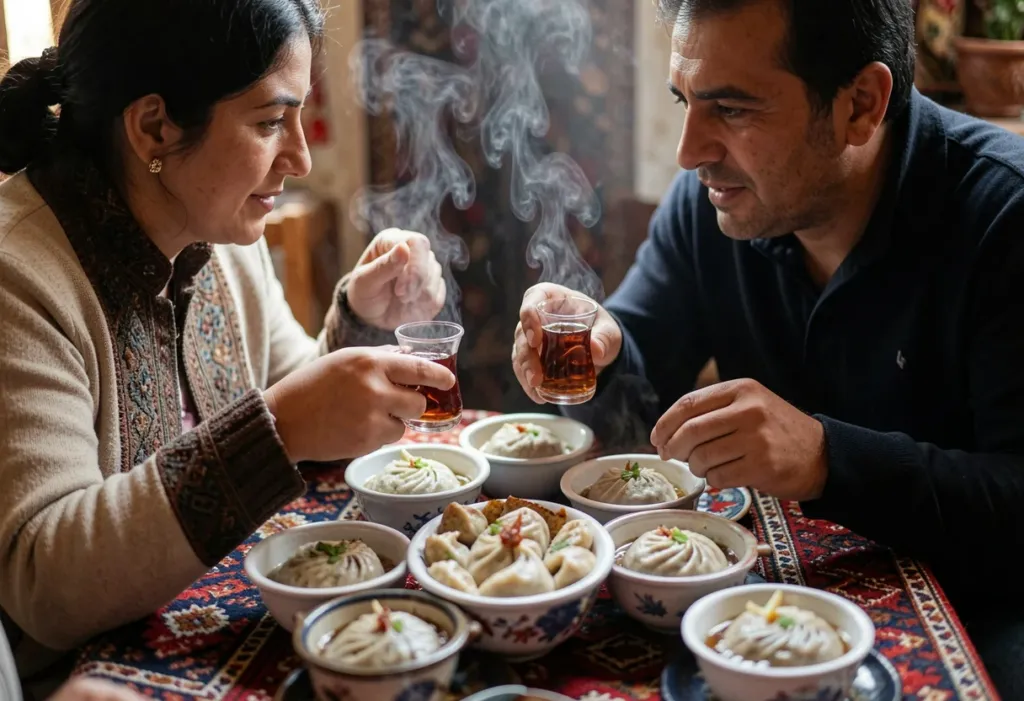
Trying manti for the first time offers a welcoming introduction to Turkish comfort food traditions. The dish presents layered flavor, balanced texture, and a clear example of how simple ingredients create depth through careful preparation and traditional serving methods.
Start With the Full Traditional Serving Style
The full serving style includes dumplings, garlic yogurt, and warm butter sauce. These components form the identity of the dish. Each layer contributes contrast and balance. Yogurt provides freshness. Butter sauce provides warmth and aroma. The dumplings provide structure and savory flavor. Removing one element changes the overall experience and reduces the intended flavor harmony.
Pair Manti With Traditional Beverages
Traditional beverages support flavor balance during the meal. Turkish tea offers a light and clean finish between bites. ayran provides a cool and refreshing contrast that matches the yogurt notes in the dish. Mineral water helps cleanse the palate and supports a lighter dining experience. Ayran remains a particularly effective pairing because it reinforces the creamy and tangy profile already present on the plate.
Share the Dish With the Table
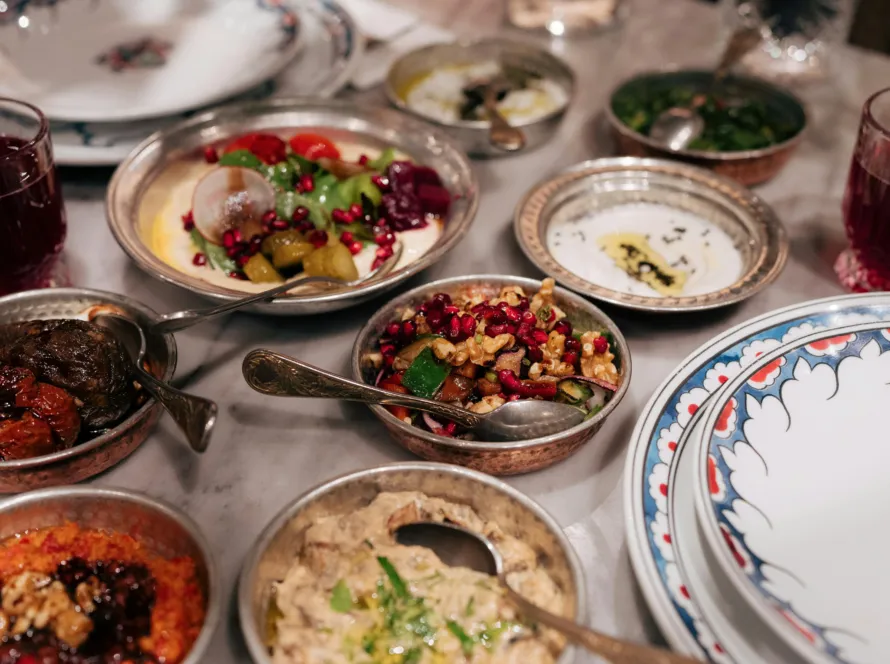
Turkish dining culture encourages shared plates and group tasting. Serving manti alongside appetizers or grilled selections creates variety across the table. Guests experience multiple textures and flavors in one meal. Sharing reflects traditional dining habits across many households in Turkey and strengthens the social character of the meal.
Take Time to Enjoy the Layers of Flavor
Manti rewards slow eating and careful tasting. Each bite combines tender dough, savory filling, cool yogurt, and warm butter sauce. These layers create contrast in temperature and texture. Slow pacing allows each flavor element to stand out clearly. The full experience becomes richer and more memorable through this approach.
The Cultural History Behind Manti
Understanding manti becomes clearer through its historical background. The dish reflects movement across regions, adaptation through local ingredients, and preservation through family cooking traditions. Its story explains why it remains an important part of Turkish culinary identity today.
A Dish With Central Asian Roots
Historians connect dumpling-style foods to early Turkic communities in Central Asia. These communities carried their cooking traditions westward during migration periods. Early dumpling recipes changed after arrival in Anatolia. Local ingredients influenced filling choices. Regional cooking methods shaped preparation techniques. Turkish households refined folding styles over generations. These developments formed the version recognized today as manti. The dish now represents both migration history and regional adaptation within Turkish cuisine.
A Symbol of Home Cooking Traditions
Many Turkish households prepare manti through shared kitchen work. Family members shape dumplings together around large preparation tables. This process supports cooperation and connection across generations. Younger family members learn folding techniques from older relatives. Traditional seasoning methods pass from one generation to the next. The activity strengthens family bonds while protecting culinary heritage. Restaurants that serve traditional Turkish cuisine continue this legacy through careful preparation methods that reflect the dish’s cultural importance and presentation style.
Regional Variations of Manti Across Turkey
Although the classic version of manti remains widely recognized, regional adaptations across Turkey reflect local preparation styles and ingredient preferences. These variations preserve the essential structure of the dish while introducing subtle differences in size, texture, and presentation.
Kayseri-Style Manti
Kayseri is widely known as a central region for traditional manti preparation. Kayseri-style manti features very small dumpling size and a dense filling portion inside each parcel. The compact folding technique reflects careful craftsmanship and strong attention to detail during preparation. Generous garlic yogurt topping completes the dish and strengthens its signature flavor balance. Many diners consider this version the benchmark for traditional preparation across Turkey because it represents precision, consistency, and cultural authenticity.
Open-Faced Manti Variations
Some regions prepare slightly larger dumplings with partially open tops that allow sauce to settle directly into each parcel. This structure creates a different texture experience during eating and increases contact between the filling and the yogurt topping. The open shape supports stronger sauce absorption and produces a softer bite. These regional interpretations maintain the essential flavor profile of manti while introducing variety in presentation and mouthfeel across different parts of the country.
Why Manti Remains Popular Today
Manti continues to attract diners across generations because it balances tradition with comfort in a way that feels both familiar and distinctive. Many people compare manti to dumplings they already know from other cuisines, which makes it approachable for first-time diners. At the same time, the garlic yogurt topping, spiced butter, and delicate preparation introduce a clearly Turkish identity that sets it apart from similar dishes around the world.
The experience is defined by balanced texture and temperature in every bite. Warm dumplings provide softness and structure, cool garlic yogurt adds freshness and creaminess, and aromatic butter sauce introduces richness and depth. This contrast creates steady variation as the dish is eaten, keeping each bite engaging without overwhelming the palate.
Manti also works well across different dining occasions. It functions as a satisfying main course, a shared dish at the table, a comforting home-style meal, and an accessible introduction to Turkish cuisine for new diners. Its versatility allows it to fit both casual and traditional settings while maintaining its cultural character. This combination of comfort, flexibility, and identity supports its lasting popularity across generations and dining experiences.
How Istanbul Kitchen Preserves the Authentic Manti Experience
At Istanbul Kitchen, manti reflects traditional preparation methods that define Turkish comfort food. The dish follows its classic structure without modern shortcuts or simplified techniques. Each component is prepared to preserve authenticity and balance.
Delicate dumplings form the foundation of the dish. Garlic yogurt adds freshness, creaminess, and contrast. A warm butter drizzle completes the flavor profile with richness and aroma. These elements work together to maintain the intended texture, temperature contrast, and layered taste experience.
This commitment to traditional preparation allows guests to experience manti in a form that closely reflects how it is enjoyed across Turkey today. The focus remains on preserving culinary heritage while delivering a consistent and authentic dining experience.
Discover Why Manti Is One of Turkey’s Most Loved Dishes
Experiencing manti offers a meaningful introduction to Turkish comfort food traditions shaped by history, craftsmanship, and shared dining culture. Each dumpling reflects careful preparation and a long-standing balance of flavors that has remained consistent across generations.
If you are visiting Istanbul Kitchen in Tysons Corner, ordering manti is a great way to explore one of Turkey’s most recognizable traditional dishes. Pair it with ayran or Turkish tea to complement its rich and tangy profile. Sharing it with friends or family enhances the experience, reflecting the communal nature of Turkish dining. The dish brings together comfort, tradition, and flavor in a way that continues to connect people across tables and generations. Come and dine with us!