Turkish food is widely known for its fresh vegetables, balanced meals, and satisfying flavors, making it one of the most approachable cuisines for people exploring healthier dining options for the first time. Rooted in long-standing cooking traditions and shaped by the Mediterranean lifestyle, many Turkish dishes naturally support balanced eating without sacrificing comfort or taste.
At Istanbul Kitchen, guests often notice that meals feel filling without feeling overly heavy. That experience comes from intentional ingredient choices and traditional preparation methods. Turkish cooking emphasizes grilled meats, olive oil–based vegetable dishes, legumes, yogurt, and herbs instead of heavily processed ingredients or rich sauces.
Seasonal vegetables, simple cooking techniques, and balanced portions work together to create meals that feel satisfying and nourishing. If you are new to Turkish cuisine, understanding how these ingredients combine can help you make confident menu choices that support both flavor and wellness.
Mediterranean Diet Influence
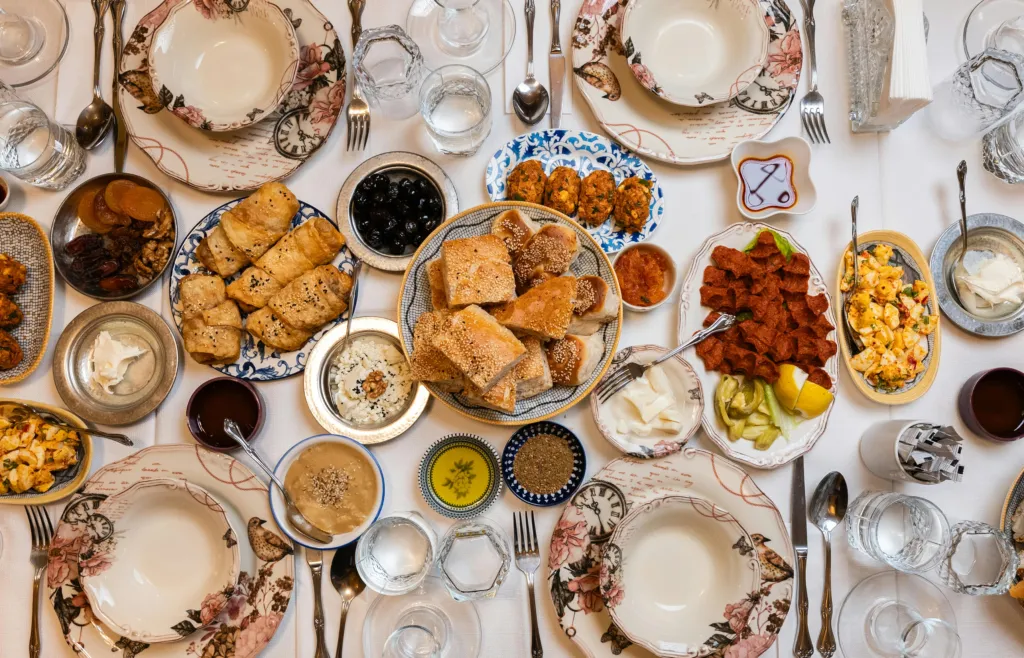
Turkish cuisine reflects many principles associated with the Mediterranean way of eating. Meals often center around vegetables, legumes, grains, olive oil, and moderate portions of meat or dairy. These ingredients appear across everyday dishes in soups, salads, stews, and grilled preparations.
This structure creates meals that feel balanced and naturally varied. Fresh produce provides fiber and nutrients. Legumes add plant-based protein. Olive oil supports healthy fats. Grains and bread complete meals with steady energy sources.
Together, these components support consistent energy levels throughout the day. Meals feel satisfying without relying on heavy processing or excessive richness, which helps maintain balance in everyday eating habits.
Olive Oil as a Core Ingredient
Olive oil plays a central role in Turkish cuisine and appears in vegetable dishes, salads, mezze plates, and warm entrées. Instead of relying on heavy sauces, many recipes use olive oil to add richness while preserving the natural flavor of fresh ingredients. This approach keeps dishes light while still feeling satisfying and full of depth.
Vegetable-based dishes prepared with olive oil are often served warm or at room temperature. This makes them easy to enjoy and naturally suited for shared dining. The texture remains smooth, and the ingredients maintain their freshness without becoming overly heavy.
At Istanbul Kitchen, common mezze selections include hummus, eggplant spread, artichoke salad, kısır (bulgur salad), and cacık yogurt dip. These dishes create a balanced and flavorful start to the meal, offering a mix of vegetables, grains, and yogurt-based preparations before the main course arrives.
Balanced Portions Instead of Oversized Plates
Traditional Turkish meals are designed around variety rather than volume. A typical table includes a mezze selection, fresh salad, rice or bulgur, a main protein, and a yogurt accompaniment. Each component plays a specific role in creating balance across the meal.
This structure encourages moderation naturally because no single dish dominates the plate. Instead, guests move through different flavors, textures, and temperatures during the meal. Vegetables provide freshness, grains add steady energy, proteins offer satisfaction, and yogurt contributes a cooling contrast.
The variety also supports a slower, more mindful dining experience. Portions feel satisfying without being excessive, which reduces the need for strict portion control. The overall result is a meal pattern that feels complete, balanced, and enjoyable while still aligned with everyday healthy eating habits.
Yogurt as a Daily Staple
Yogurt appears throughout Turkish cuisine because it complements both vegetables and meats. It adds protein, supports digestion, and creates a refreshing contrast to warm and spiced dishes. Its cool, creamy texture balances richer flavors and helps unify different components of a meal.
Common yogurt-based preparations include cacık, tzatziki-style sauces, and plain yogurt served alongside rice, vegetables, or grilled meats. Cacık combines yogurt with cucumber, garlic, and herbs for a light and cooling side. Tzatziki-style sauces offer a similar profile with variations in seasoning and texture. Plain yogurt often accompanies main dishes to soften spice and add creaminess.
These additions help balance the overall meal experience by creating contrast in temperature and flavor. Yogurt ties together multiple dishes on the table and supports the Mediterranean-inspired structure of Turkish dining.
Fresh Ingredients Used in Turkish Cooking
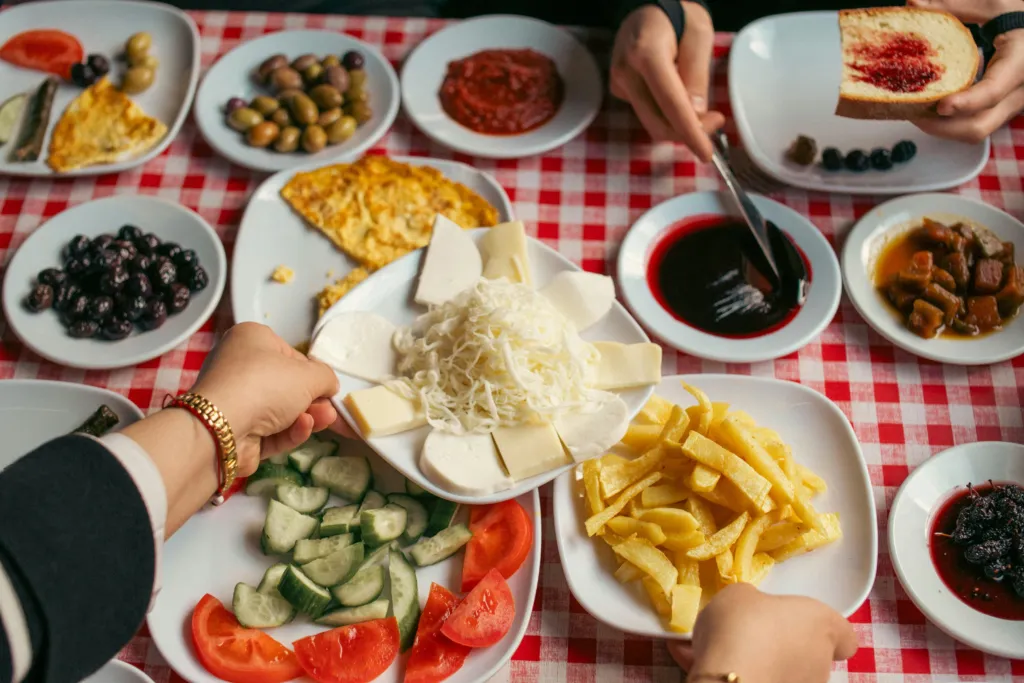
One of the strongest reasons many diners consider Turkish cuisine a healthy option is its emphasis on fresh ingredients prepared with minimal processing. Meals rely on seasonal produce, simple cooking methods, and balanced combinations rather than heavy sauces or refined ingredients.
At Istanbul Kitchen, menu favorites reflect this approach through home-style cooking techniques and vegetable-forward recipes. Grilled proteins, olive oil–based vegetables, fresh salads, and yogurt-based sides appear across the menu to create balanced plates.
This style of cooking highlights natural flavors and maintains nutritional value through straightforward preparation. The result is food that feels satisfying, fresh, and aligned with everyday healthy eating habits.
Seasonal Vegetables in Everyday Dishes
Vegetables appear across nearly every category of the Turkish table. Rather than acting as side dishes alone, they often form the foundation of entire meals. Common ingredients include tomatoes, cucumbers, eggplant, green beans, chickpeas, white beans, peppers, and fresh herbs. These ingredients provide natural flavor depth without relying on heavy sauces or complex additions.
This vegetable-forward approach matters because it supports both flavor and balance in everyday eating. Vegetables contribute fiber, hydration, and essential micronutrients that promote overall wellness, and their generous use in Turkish cuisine helps meals feel lighter while still being satisfying. For first-time diners, this creates an easy introduction to a full dining experience—rich in variety and taste, yet comfortable enough to enjoy without feeling overly full afterward.
Legumes as Protein Sources
Beans and chickpeas appear frequently in Turkish cooking as essential plant-based protein sources. They add nutrition, texture, and depth to everyday meals while supporting balanced and satisfying vegetarian options.
Common examples include kuru fasulye, chickpea dishes, bulgur-based salads, and lentil soups. Kuru fasulye is a slow-cooked white bean dish with tomato-based sauce. Chickpea dishes appear in stews and warm preparations. Bulgur salads combine grains with vegetables and herbs for a hearty yet fresh option. Lentil soups provide warmth and comfort with simple seasoning.
These ingredients make Turkish cuisine approachable for diners seeking balanced alternatives to meat-heavy meals. They also support variety across the table, allowing meals to feel complete, nourishing, and naturally aligned with a Mediterranean-inspired eating style.
Whole Grains Instead of Refined Fillers
Rice pilav with orzo and bulgur salads often accompany main dishes at Istanbul Kitchen. These grains provide steady energy and support balanced portions when paired with vegetables, proteins, and mezze selections.
Rice pilav with orzo adds a light, savory base that absorbs flavors from accompanying dishes. Bulgur salads introduce a firmer texture and a nutty profile that works well with fresh herbs, vegetables, and olive oil. Together, they contribute variety without overwhelming the plate.
Unlike heavily processed starches, these grains are prepared in simple ways that preserve texture and nutritional value. They help complete the meal by adding structure, balance, and consistency while keeping the overall dining experience light and satisfying.
Fresh Herbs That Add Flavor Naturally
Parsley, mint, dill, and sumac appear regularly across Turkish cuisine and play an essential role in everyday flavor building. These ingredients add brightness, aroma, and complexity without relying on heavy sauces or excess salt. They enhance dishes while keeping the overall profile fresh and balanced.
Parsley adds freshness and structure to salads and mezze. Mint provides a cooling contrast, especially in yogurt-based dishes and salads. Dill introduces a light, slightly tangy note that works well with vegetables and grains. Sumac adds a citrus-like acidity that lifts the flavor of meats, onions, and salads.
This herb-driven approach allows meals to stay flavorful while maintaining balance. It supports the natural taste of fresh ingredients and helps create dishes that feel vibrant, light, and well-rounded across the entire table.
Healthy Cooking Techniques Used in Turkish Cuisine
Preparation methods play an important role in how Turkish cuisine supports balanced eating habits. Cooking techniques focus on simplicity and highlight the natural flavor of fresh ingredients rather than masking them.
Baking is used for breads, vegetables, and casseroles, creating gentle heat that preserves structure. Grilling adds smoky flavor to meats and vegetables without requiring heavy oils. Sautéing allows quick cooking with olive oil to maintain freshness and texture. Simmering is common in stews and legumes, blending flavors over time. Slow cooking develops depth in dishes like beans and braised meats.
These methods preserve texture and taste while avoiding unnecessary heaviness. Meals remain approachable for everyday dining and feel satisfying without being overly rich.
Grilled Proteins Instead of Heavy Frying
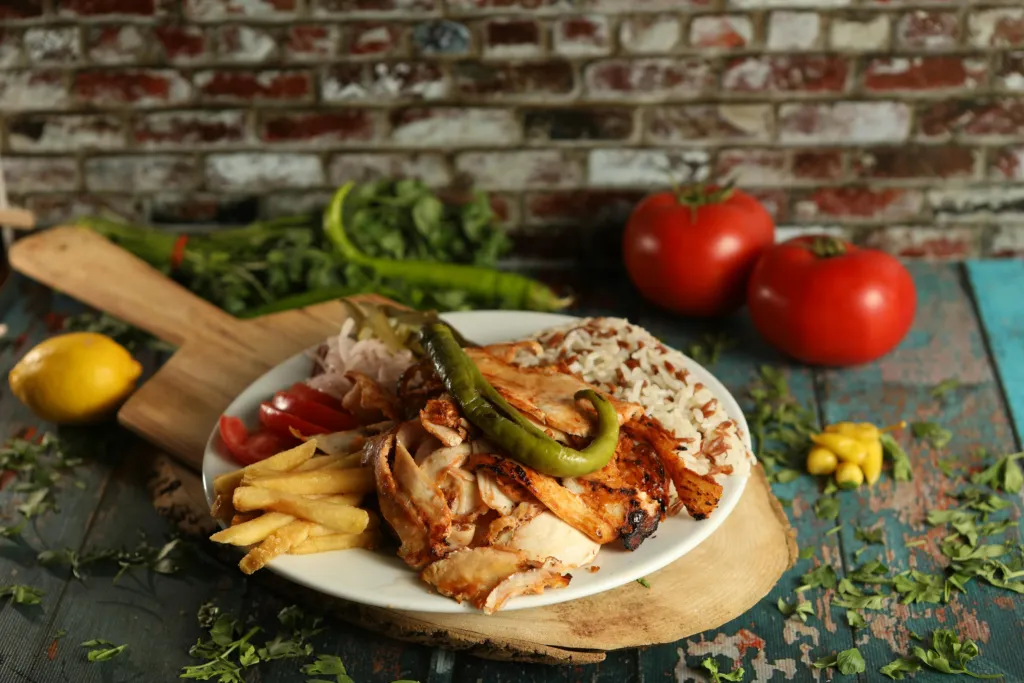
Grilled chicken and meatball platters at Istanbul Kitchen highlight how Turkish cuisine prepares protein in a lighter, more balanced way. Grilling enhances natural flavor through direct heat while allowing excess fats to drip away during cooking. This method keeps dishes satisfying without feeling overly heavy. It also preserves texture, aroma, and juiciness, which makes grilled proteins a central part of balanced Turkish meals.
Slow-Cooked Vegetable Dishes
Vegetable dishes cooked slowly in olive oil develop depth, softness, and layered flavor over time. Ingredients like eggplant, green beans, and peppers absorb seasoning gradually while maintaining their natural character. This approach highlights the vegetables rather than overpowering them with rich sauces. The result is a light yet flavorful dish that supports balance across the table and pairs easily with grains, yogurt, and grilled proteins.
Homemade Bread with Purposeful Portions
Bread remains a staple in Turkish dining, but it is served as a complement rather than the main focus of the meal. It accompanies mezze, vegetables, and grilled dishes in controlled portions that support balance rather than excess. This approach encourages mindful eating and prevents overreliance on refined carbohydrates. Bread becomes part of a broader, varied meal structure that emphasizes moderation and variety.
Healthy Menu Choices to Try First
For first-time diners, choosing the right combination of dishes can create a satisfying and well-balanced introduction to Turkish cuisine. A thoughtful selection helps highlight the variety, freshness, and structure that define traditional Turkish meals.
At Istanbul Kitchen, approachable options often include a mix of mezze, grilled proteins, fresh salads, and grain-based sides. This combination allows guests to experience different textures and flavors in one meal while still maintaining balance and comfort.
This style of ordering reflects the traditional Turkish dining structure, where variety and moderation work together. The result is a meal that feels complete, enjoyable, and easy to appreciate for those experiencing Turkish cuisine for the first time.
Start with a Mezze Plate
Mezze selections allow guests to explore multiple flavors in smaller portions before the main course. This approach creates variety without overwhelming the palate and provides a gentle introduction to Turkish cuisine. At Istanbul Kitchen, mezze plates often include hummus, eggplant spread, kısır, and yogurt-based dips. These dishes offer a mix of fiber, healthy fats, and refreshing textures that prepare the palate for the rest of the meal while keeping the experience light and balanced.
Try a Balanced Platter Meal
Platter meals bring together several food groups in one structured plate. They typically include grilled protein, vegetable sides, rice pilav, salad, and yogurt sauce. Options such as the Istanbul köfte platter, tavuk platter, and veggie platter demonstrate this balance in a single serving. This format naturally supports portion control and provides a complete meal experience with protein, grains, vegetables, and dairy working together in harmony.
Choose a Traditional Turkish Breakfast
Turkish breakfast platters offer a wide variety of small items served together in a shared format. Typical components include olives, cheeses, tomatoes, cucumbers, eggs, and fresh bread. This combination provides multiple textures and nutrients in one meal, creating a satisfying experience without feeling heavy. The variety encourages slow, mindful eating while showcasing the freshness and simplicity of traditional Turkish ingredients.
Explore Vegetarian-Friendly Options
Turkish cuisine includes many naturally vegetarian-friendly dishes that highlight vegetables, grains, and legumes. Popular choices include kısır bulgur salad, chickpea-based dishes, green bean plates, and mixed mezze combinations. These meals show how plant-based eating is naturally integrated into Turkish culinary traditions, offering balanced nutrition and satisfying flavor without relying on meat.
Pair Meals with Traditional Drinks
Traditional beverage pairings enhance the overall dining experience without overpowering flavors. Common options include Turkish tea, ayran yogurt drink, and light herbal infusions. These drinks complement the richness of mezze, grilled dishes, and vegetable plates by providing refreshment and balance. Together, they complete the meal in a simple, refreshing, and harmonious way.
Is Turkish Food Good for Everyday Dining?
Many guests wonder whether Turkish cuisine fits into regular weekly routines or only special occasions. In practice, it works well for everyday dining because it focuses on vegetables, grains, legumes, and moderate portions of protein. Meals feel balanced and adaptable, which makes them easy to include in a weekly meal pattern.
Turkish cooking also encourages variety across the week rather than repetition within a single meal. One day may include grilled meats and salads, while another may feature lentil soups, vegetable dishes, or chickpea-based meals. This rotation keeps meals interesting while still maintaining nutritional balance.
Because of this structure, Turkish cuisine supports consistent, flexible eating habits. It allows diners to enjoy flavorful meals regularly without relying on heavy or overly processed ingredients, making it suitable for both casual meals and more intentional dining routines.
Balanced Flavor Without Excessive Processing
Meals rely on recognizable, whole ingredients prepared using traditional cooking methods. Vegetables, grains, legumes, olive oil, and fresh herbs form the base of most dishes. This simplicity keeps flavors clear and easy to understand. Diners can identify each component of the meal, which builds trust and confidence in what they are eating. At Istanbul Kitchen, this approach is reflected in home-style preparation that avoids unnecessary processing while maintaining depth of flavor.
Comfort Food That Still Feels Light
Turkish dishes provide warmth and familiarity without feeling overly heavy. Soups, grain salads, grilled proteins, and vegetable-based plates create combinations that feel satisfying and balanced. Ingredients are layered in a way that supports steady energy rather than sluggishness after eating. This makes the cuisine feel comforting while still aligned with lighter, Mediterranean-inspired eating habits.
Flexible Options for Different Preferences
Menus commonly include a wide range of choices that accommodate different dietary needs and preferences. Vegetarian dishes highlight vegetables, legumes, and grains. Dairy-based selections such as yogurt dips and mezze add creaminess and balance. Grilled proteins offer hearty options for meat-based meals, while grain-focused dishes provide steady energy and structure. This flexibility allows guests to customize their dining experience while still maintaining overall balance and variety.
How Turkish Dining Supports Social Eating Habits
Another reason Turkish cuisine feels balanced is its structure around shared meals. Food is placed at the center of the table and enjoyed together, which naturally changes how people approach portions and variety.
Sharing encourages variety and moderation naturally. Guests sample multiple dishes instead of focusing on a single large plate. This creates a more balanced intake of vegetables, grains, proteins, and mezze throughout the meal. It also slows down the pace of eating, which supports better satisfaction and comfort.
At the same time, shared dining builds a sense of connection and flexibility. Everyone participates in different combinations of dishes, which makes the experience more dynamic and less repetitive. This structure is one of the reasons Turkish cuisine feels both social and naturally balanced.
Mezze Encourages Smaller Portions
Mezze creates a dining style centered around variety rather than volume. Instead of one oversized entrée, guests share multiple small dishes across the table. This allows people to taste different flavors, textures, and ingredients in a single meal. It naturally reduces overeating because portions are distributed across several plates rather than concentrated in one dish. The experience feels more relaxed and social, with conversation and tasting happening at a slower, more comfortable pace.
Tea Completes the Meal Experience
Turkish tea is commonly served after meals and desserts as part of the dining rhythm. It helps close the meal gently while extending time at the table. The warm, simple flavor supports a calm transition after eating and encourages conversation to continue. This tradition reflects Turkish hospitality, where dining is not rushed but shared and enjoyed over time.
Experience the Fresh Side of Turkish Cooking
If you are curious about trying a cuisine that combines comfort, balance, and variety, Turkish meals offer a welcoming place to begin. Visit Istanbul Kitchen and explore how fresh vegetables, traditional grains, grilled proteins, and thoughtfully prepared dishes come together on one table.
Whether you start with a mezze selection or a full platter meal, each dish reflects a long-standing tradition shaped by home cooking and shared dining. From hummus and yogurt dips to grilled meats and bulgur salads, every bite introduces layered flavors that feel both familiar and new.
Bring a friend, share a few plates, and experience how naturally balanced Turkish dining can feel. The combination of variety, freshness, and moderation creates a meal that is satisfying, social, and easy to enjoy from start to finish.