Turkish cooking is defined by its thoughtful use of herbs and vegetables, creating meals that feel balanced, fresh, and deeply satisfying without relying on heavy preparation. From mezze plates to main courses, Turkish cooking highlights natural ingredients in a way that allows each component to stand out. Herbs and vegetables shape not only flavor, but also texture, color, and the overall dining experience. At places like Istanbul Kitchen, this approach is reflected across the menu, where fresh ingredients are handled with care and intention to preserve their natural qualities.
Instead of relying on complex sauces or heavy processing, Turkish cooking builds depth through simple and deliberate combinations. Ripe vegetables, aromatic herbs, olive oil, and balanced seasoning come together to create dishes that feel complete without being overwhelming. This method allows flavors to develop naturally, making each bite feel clean, layered, and satisfying. It also makes the cuisine more approachable for first-time diners who are looking for meals that feel both comforting and well-balanced.
Understanding how herbs and vegetables influence Turkish cooking provides a clearer view of why these dishes continue to be appreciated across different cultures and dining preferences. This focus on freshness, simplicity, and balance gives Turkish cuisine its lasting appeal, offering meals that are both nourishing and enjoyable in a wide range of settings.
The Foundation of Turkish Cooking: Herbs and Vegetables
At its core, Turkish cooking relies on the natural qualities of fresh ingredients. Herbs and vegetables are not supporting element, they are essential components that guide the flavor, aroma, and overall character of each dish. Instead of being added as finishing touches, they are integrated from the beginning of the cooking process, shaping how flavors develop and interact.
This approach places emphasis on seasonality, freshness, and balance. Ingredients are selected at their peak to ensure that each dish delivers clarity and depth without the need for heavy sauces or complex techniques. Herbs such as parsley, mint, and dill bring brightness and lift, while vegetables like eggplant, tomatoes, peppers, and greens provide body and richness.
By allowing these elements to take the lead, Turkish cooking creates meals that feel both simple and complete. The result is a cuisine that highlights natural flavor, supports a balanced diet, and offers a consistently satisfying dining experience.
Vegetables as the Center of the Plate
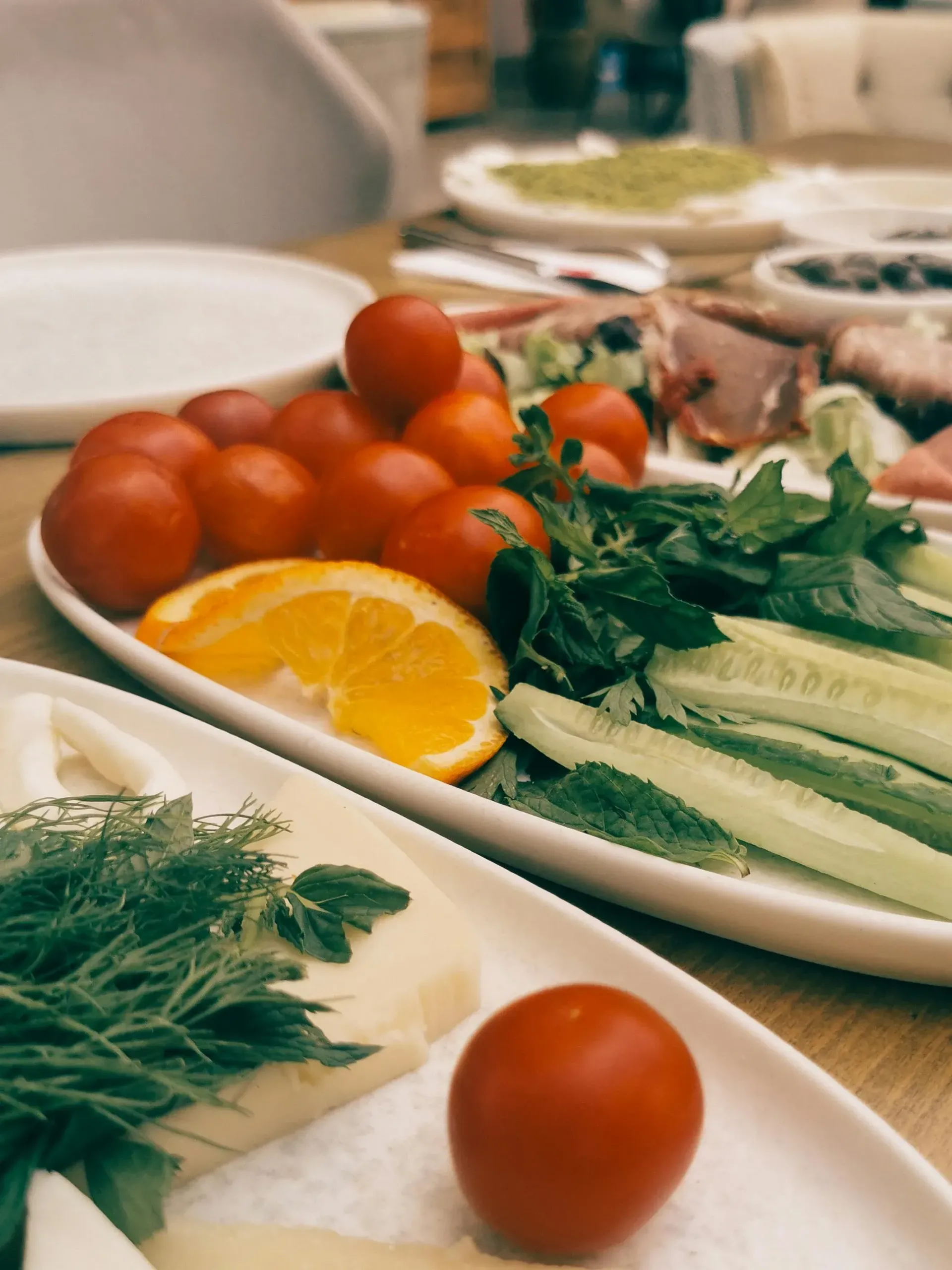
In many Turkish dishes, vegetables are not treated as side items but instead form the base of the meal. Ingredients such as tomatoes, cucumbers, eggplant, zucchini, green beans, peppers, onions, chickpeas, and white beans appear consistently across appetizers, salads, and main courses, creating a sense of continuity throughout the menu. These vegetables are prepared in ways that highlight their natural flavor and texture, allowing them to carry the dish rather than simply support it. This approach gives Turkish cooking its distinct identity, where plant-based ingredients play a central and meaningful role in every course.
Using vegetables as a foundation allows Turkish cooking to maintain a natural balance. Meals feel complete and satisfying without relying heavily on meat or processed ingredients, making them lighter yet still nourishing. This method supports a more wholesome dining experience, where flavor, texture, and nutrition work together to create dishes that are both enjoyable and well-rounded.
Herbs That Shape Flavor Naturally
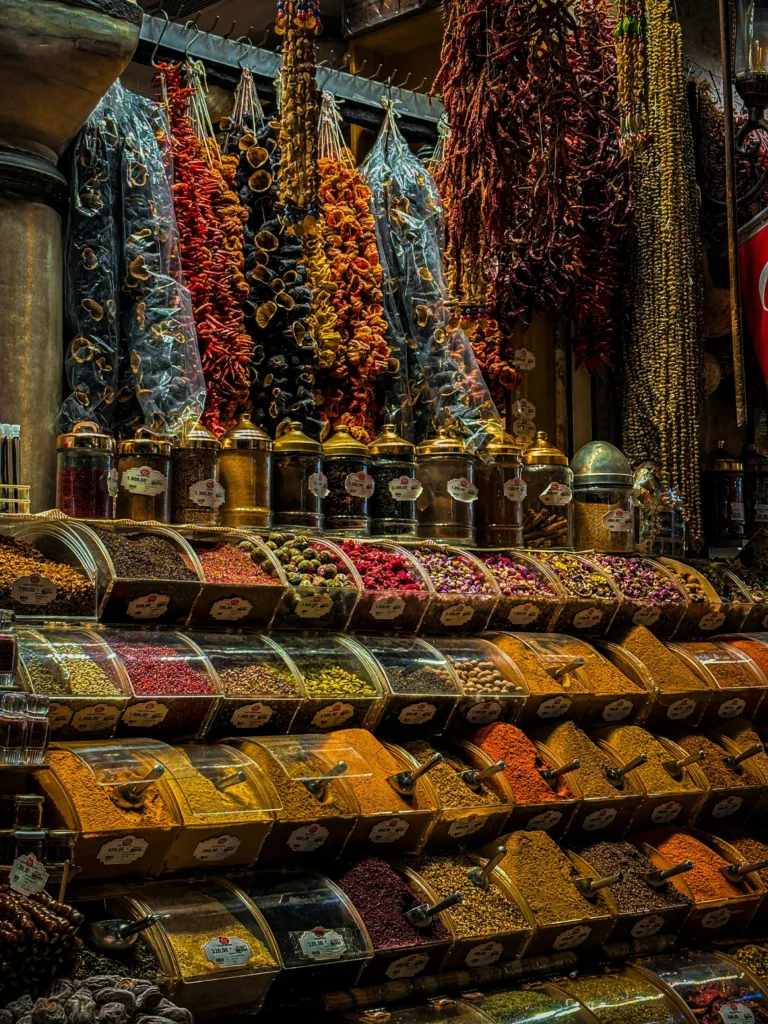
Herbs play a critical role in Turkish cooking, where they are used to enhance and highlight the natural qualities of vegetables and proteins rather than overpower them. Fresh herbs are added thoughtfully to bring balance, brightness, and depth to each dish, supporting the overall flavor profile without masking the main ingredients.
Commonly used herbs include parsley, dill, mint, oregano, and thyme. Parsley adds freshness and a clean, slightly peppery note that lifts many dishes. Dill brings a light, aromatic quality often used in vegetable and yogurt-based recipes. Mint contributes a cooling freshness that balances richer flavors. Oregano provides warmth and earthiness, while thyme adds a subtle herbal depth that strengthens savory dishes.
Each herb contributes a distinct layer of flavor while maintaining harmony within the dish, ensuring that no single element dominates. Together, they create a balanced and cohesive taste that is a defining characteristic of Turkish cooking.
Olive Oil as a Supporting Element
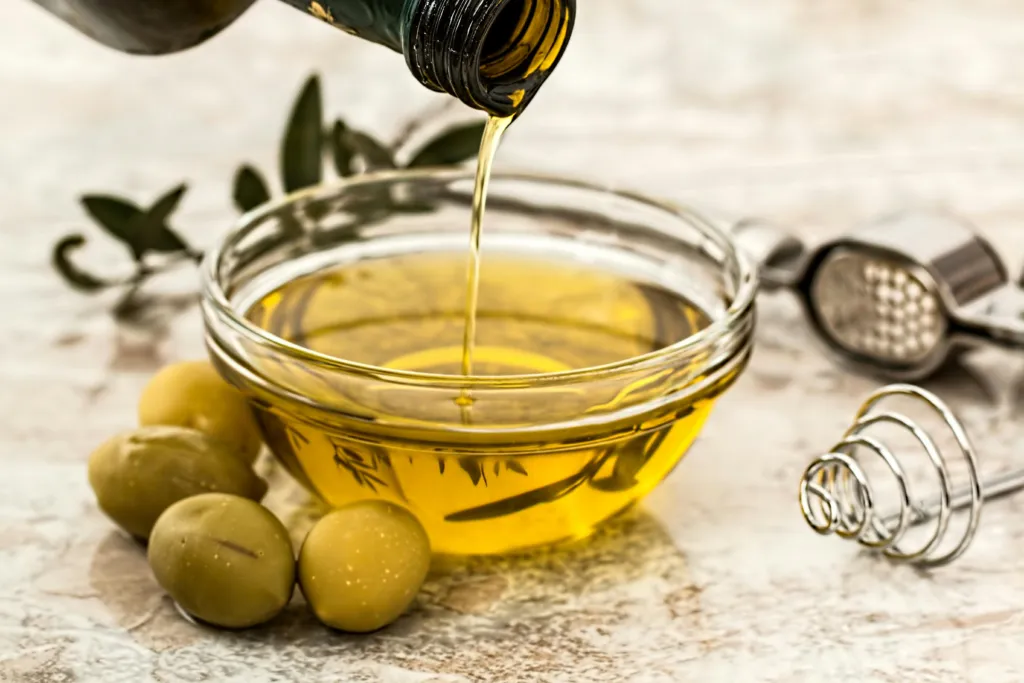
Olive oil plays a central role in Turkish cooking, acting as the element that brings herbs and vegetables together in a balanced way. It adds a smooth richness that enhances flavor while still allowing the natural taste of each ingredient to remain clear and distinct. Instead of masking flavors, it supports them, helping herbs and vegetables blend into a cohesive dish.
This method of using olive oil creates meals that feel satisfying yet light. It provides enough depth to carry flavor across the dish without making it overly heavy or greasy. As a result, Turkish cooking maintains its signature balance, where freshness, simplicity, and flavor work together in every bite.
How Herbs and Vegetables Are Used Across the Menu
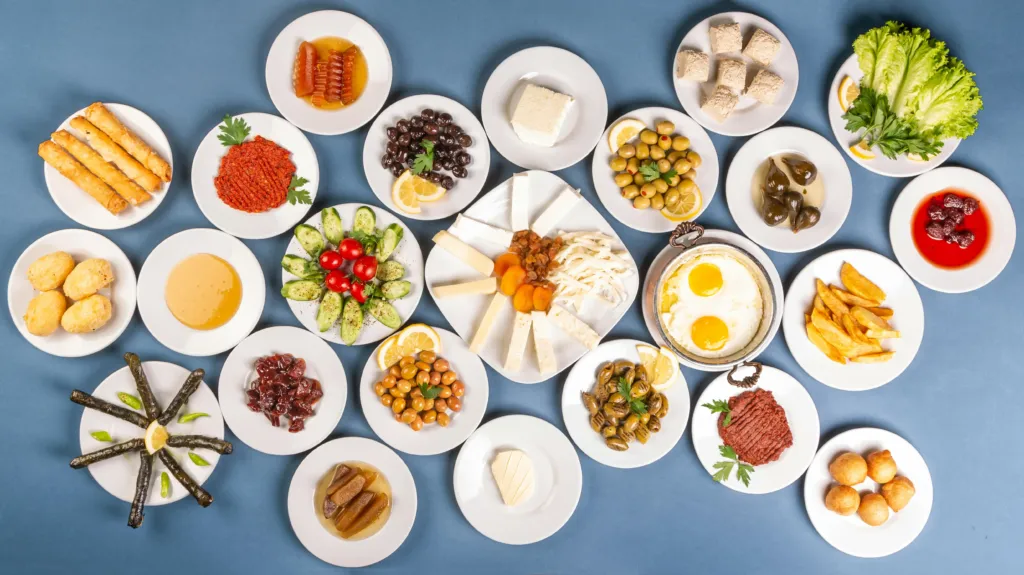
At Istanbul Kitchen, the influence of herbs and vegetables can be seen clearly across every category of the menu, where fresh ingredients form the foundation of each dish and define the overall dining experience. This approach reflects the core principles of Turkish cooking, where simplicity and natural flavor are prioritized.
Mezze plates are often the first introduction to this style of cuisine, showcasing vegetables and herbs in their most natural and uncomplicated form. Options such as hummus with olive oil, eggplant spreads, yogurt-based dips infused with herbs, and bulgur salads with parsley and mint highlight freshness and balance. These small plates create a light and flavorful start to the meal while setting the tone for what follows.
Salads at Istanbul Kitchen go beyond basic greens by focusing on clean and vibrant flavor profiles. Instead of heavy dressings, they rely on lemon juice, olive oil, and fresh herbs to enhance natural ingredients. This combination keeps the dishes bright, refreshing, and consistent with the overall philosophy of Turkish cooking.
Vegetable-based main dishes further demonstrate how herbs and vegetables can carry a meal without added complexity. Stuffed vegetables, green bean dishes, eggplant-based entrées, and chickpea stews all showcase how simple ingredients can create depth and satisfaction. Together, these dishes highlight the versatility of herbs and vegetables and their central role in shaping a balanced and complete menu.
Cooking Techniques That Preserve Freshness
The combination of herbs and vegetables contributes to a dining experience that feels complete without excess, where simplicity and balance take priority over heaviness or complexity. This approach allows each ingredient to play a clear role in shaping flavor, resulting in meals that feel satisfying, natural, and thoughtfully composed.
Natural Flavor Without Overcomplication
Because ingredients are fresh and carefully prepared, Turkish dishes do not rely on heavy sauces or complex additions to achieve depth of flavor. Herbs, vegetables, and olive oil provide enough character on their own, allowing the natural taste of each component to stand out. This keeps the food clean, balanced, and easy to appreciate, where simplicity becomes the foundation of quality rather than a limitation.
A Mix of Textures and Temperatures
Turkish meals often bring together a variety of textures and temperatures that keep the dining experience dynamic and engaging. Warm cooked vegetables add comfort and depth, while cool yogurt-based dishes provide contrast and refresh the palate. Crisp salads introduce brightness and crunch, creating a layered experience across the table. This variety ensures that each course feels distinct while still working together as part of a cohesive meal.
Supporting a Comfortable Dining Experience
Meals built around herbs and vegetables tend to feel lighter, which allows diners to enjoy multiple courses without feeling overly full or weighed down. This balance supports a more relaxed dining pace, where guests can move through appetizers, mains, and sides comfortably. The result is an experience that feels enjoyable and sustained, encouraging longer meals and greater appreciation of each dish.
The Cultural Importance of Herbs and Vegetables
In Turkish culture, food is closely tied to hospitality and everyday life, where meals are seen as an important way to bring people together and express care. Cooking practices are shaped by tradition, seasonality, and a strong emphasis on fresh, natural ingredients that reflect the rhythm of daily living.
Seasonal ingredients play a central role in Turkish cooking, with vegetables and herbs chosen based on availability and freshness throughout the year. This approach ensures that dishes remain vibrant, flavorful, and naturally balanced, while also reflecting what each season has to offer. It creates a connection between food and environment, where meals feel timely and rooted in nature.
Home-style cooking traditions also strongly influence Turkish cuisine, as many recipes originate from family kitchens where simplicity and practicality are key. Herbs and vegetables are commonly used to prepare meals that are both flavorful and nourishing, relying on accessible ingredients rather than complexity. This tradition keeps the cuisine grounded, familiar, and deeply connected to everyday life.
Sharing at the table is another essential part of Turkish dining culture. Many vegetable-based dishes are served as mezze, encouraging guests to eat together and sample a variety of flavors. This shared style of dining promotes interaction, conversation, and connection, turning meals into a collective experience rather than an individual activity.
How to Enjoy Turkish Cooking for the First Time
For those new to Turkish cuisine, starting with vegetable-forward dishes is a simple and approachable way to explore its flavors. This allows diners to experience the balance, freshness, and natural character that define the cuisine without feeling overwhelmed by complex combinations. It also creates a gentle introduction to the core ingredients, making the overall dining experience easier to understand and enjoy.
Begin with Mezze
Start with a selection of mezze, choosing small plates that highlight herbs and vegetables in their most natural form. These dishes offer a wide variety of flavors, textures, and aromas in smaller portions, making it easy to sample multiple ingredients in one sitting. From creamy dips to fresh salads, mezze provide a well-rounded introduction to Turkish cooking. This approach helps diners gradually build familiarity with the cuisine while enjoying a shared and social style of eating.
Add a Balanced Main Dish
After mezze, pair the starters with a main dish that combines vegetables and protein in a thoughtful and balanced way. This creates a more complete meal that adds depth, warmth, and substance while still maintaining the lightness introduced by the starters. The combination ensures that the dining experience feels satisfying and cohesive without becoming too heavy or overly rich, allowing each course to complement the next.
Take Time to Savor Each Bite
Turkish cooking is best enjoyed at a relaxed pace, where each dish is given time to reveal its full flavor. Taking time between bites allows the herbs, vegetables, and seasoning to be fully appreciated, highlighting the subtle layers within each recipe. This slower approach also enhances the overall experience by encouraging conversation, reflection, and mindfulness, turning the meal into a more enjoyable and meaningful moment.
Why Istanbul Kitchen Reflects Authentic Turkish Cooking
At Istanbul Kitchen, fresh herbs and vegetables remain at the heart of the menu, shaping every dish with a focus on simplicity and authenticity. Each preparation is guided by traditional cooking methods that respect the natural qualities of the ingredients, allowing their flavors to stand out without unnecessary complexity.
Ingredient quality is prioritized from the start, with carefully selected produce and herbs that bring freshness and depth to every plate. Balanced seasoning is used to enhance rather than overpower, ensuring that each component remains distinct while still working harmoniously together. Natural flavor combinations are emphasized throughout the menu, creating dishes that feel both familiar and thoughtfully composed.
This approach allows guests to experience Turkish cooking in its most traditional form, where freshness, balance, and respect for ingredients define the overall dining experience.
In Conclusion
The strength of Turkish cooking lies in its ability to transform simple, everyday ingredients into meals that feel rich, layered, and memorable. Rather than relying on complexity, the cuisine builds flavor through careful preparation, where freshness and balance are prioritized at every stage. Herbs and vegetables take center stage, shaping the character of each dish and creating depth without heaviness.
This approach allows Turkish cuisine to remain both satisfying and approachable for a wide range of diners. The use of natural ingredients ensures that meals feel clean and nourishing, while still offering variety in taste and texture. Each dish reflects a thoughtful combination of simplicity and technique, resulting in food that is comforting, flavorful, and consistently enjoyable.
Discover the Simplicity Behind Great Flavor
Ready to experience the freshness of Turkish cooking for yourself? Visit Istanbul Kitchen in Tysons Corner and explore dishes that highlight herbs and vegetables in every bite. Start with a selection of mezze, enjoy a balanced main course, and see how simple ingredients come together to create a rich and satisfying dining experience. Gather your friends or family and share a meal that reflects the true essence of Turkish cooking—fresh, balanced, and made for connection. From the first bite to the last, every dish is designed to be enjoyed slowly and together. Come, dine, and experience Istanbul Kitchen’s best dishes!