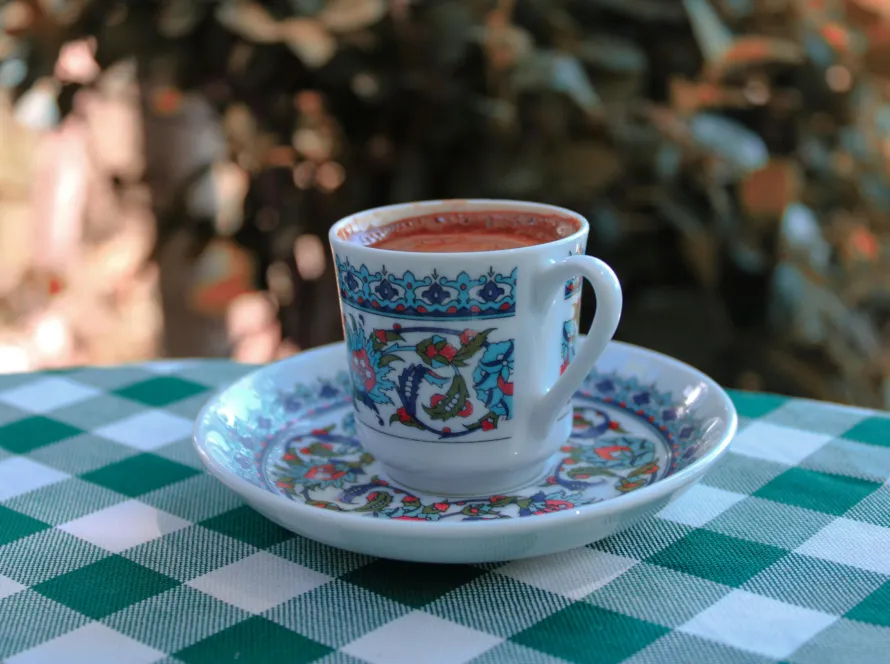
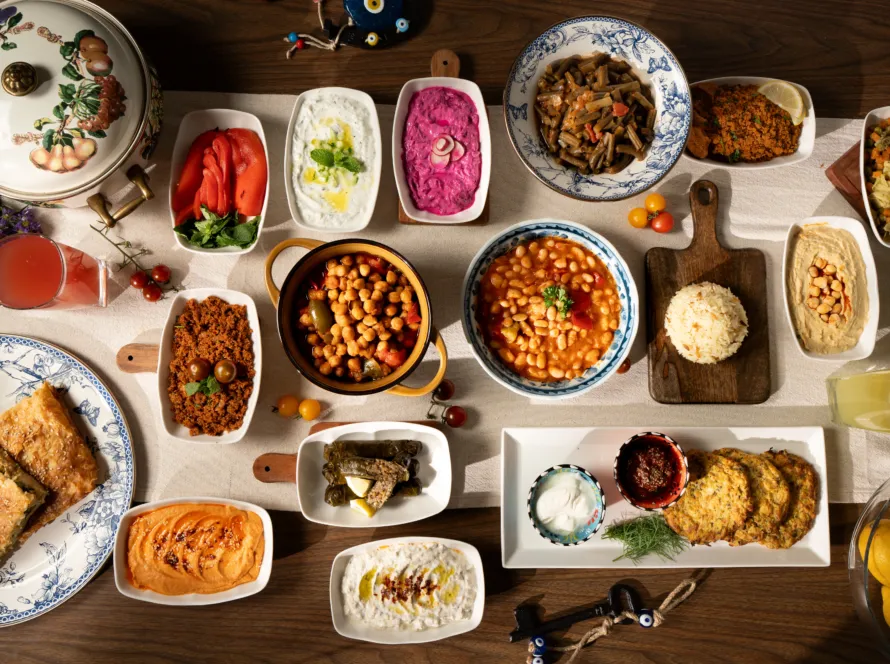
Choosing between Ottoman sherbet and ayran can feel like selecting between two sides of Turkish culinary tradition, each offering its own flavor story, texture, and cultural meaning. One is fragrant, colorful, and rooted in centuries-old palace recipes, while the other is cool, creamy, and a daily staple across Turkey. At Istanbul Kitchen in Tysons Corner Center, guests can enjoy both beverages alongside authentic Turkish favorites like sizzling kebabs, vibrant meze, and freshly baked pide, making it easy to experience how each drink enhances different dishes and dining moments.
In this guide, we explore the origins, taste profiles, health benefits, and ideal food pairings of Ottoman sherbet and ayran. Whether you’re craving something refreshing, soothing, lightly sweet, or savory, this comparison will help you decide which drink best matches your palate and elevates your next Turkish dining experience.
A Taste of Tradition: Ottoman Sherbet and Ayran
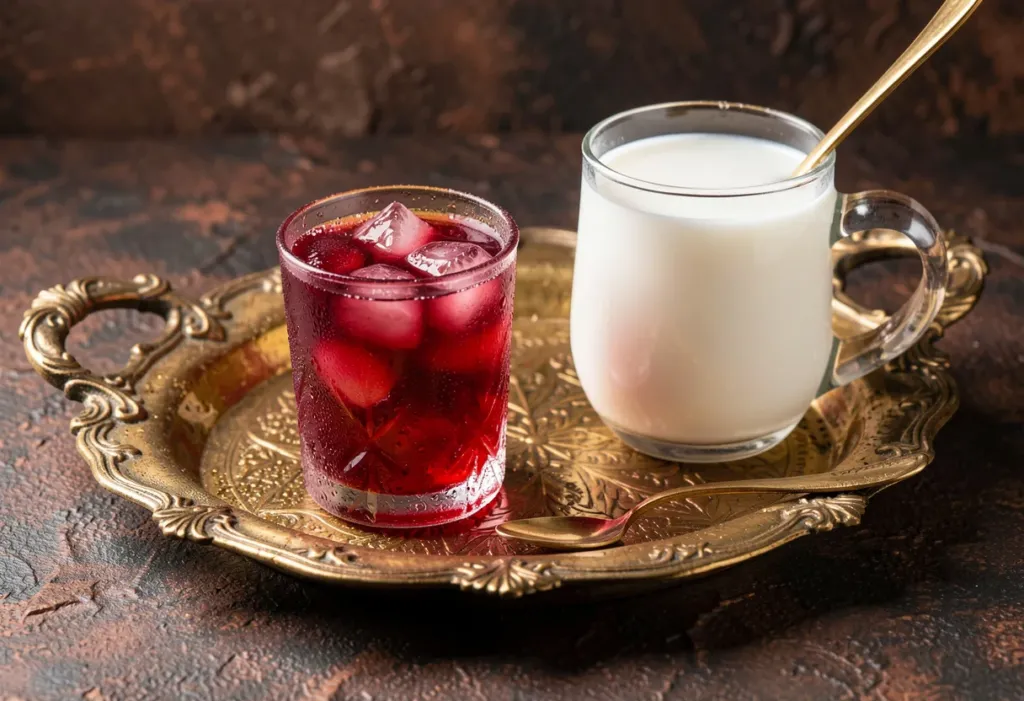
Both Ottoman sherbet and ayran are centuries-old beverages deeply rooted in Turkish culture. They’re more than simple refreshments, they’re woven into rituals, social gatherings, and everyday meals that reflect the region’s rich culinary heritage. From palace traditions to family tables, these drinks have long played a role in hospitality, celebration, and balance at the table, connecting flavor with history in every sip.
What is Ottoman Sherbet?
Ottoman sherbet is a traditional sweet beverage crafted from fruit juices, flower essences, herbs, and gentle spices. In Ottoman times, sherbets were carefully prepared for palace banquets, festivals, and honored guests, symbolizing hospitality and refinement. Rather than being overly sugary, classic sherbet focuses on layered flavor and aroma, making it both refreshing and elegant.
Flavor Profile:
- Sweet, fragrant, and often lightly spiced for depth
- Popular varieties include rose, pomegranate, tamarind, hibiscus, and orange blossom
- Some versions carry a subtle tartness to balance the sweetness
- Served chilled for summer refreshment or at room temperature during cooler seasons
Because of its floral notes and natural fruit character, Ottoman sherbet pairs beautifully with rich dishes and celebratory meals, offering a refreshing contrast while adding a touch of tradition to the dining experience.
What is Ayran?
Ayran is a classic savory drink made from creamy yogurt, cold water, and a touch of salt. Unlike the sweet, floral nature of sherbet, ayran delivers a clean, tangy refreshment that instantly cools the palate. It has been part of everyday Turkish life for centuries, valued not only for taste but also for its nourishing and hydrating qualities. Traditionally served ice-cold, ayran is especially popular with grilled meats, sandwiches, and baked breads because it cuts through richness and balances bold flavors. Its simplicity is what makes it powerful, a few natural ingredients working together to refresh, restore, and satisfy.
Flavor Profile:
- Tangy and lightly salty with a smooth, creamy finish
- Cooling and thirst-quenching, ideal for warm weather or spicy meals
- Subtle yogurt richness without heaviness
- Refreshes the palate between bites of savory dishes
Because of its balance and versatility, ayran pairs effortlessly with kebabs, pide, wraps, and meze, making it a go-to drink for diners who prefer something savory, light, and naturally satisfying alongside their Turkish meals.
The History Behind Ottoman Sherbet and Ayran

Ottoman sherbet and ayran reflect two different but equally important sides of Turkish culture, celebration and everyday nourishment. Originating in the Ottoman Empire, sherbet was once considered a regal beverage, served in palaces and affluent households as a symbol of hospitality, elegance, and refinement. Made from fruits, flowers, and spices, it was often prepared for honored guests and special occasions. Over time, sherbet moved beyond the palace walls and became part of public life, appearing at weddings, festivals, and now in modern restaurants such as Istanbul Kitchen, where diners can still experience its fragrant, ceremonial charm.
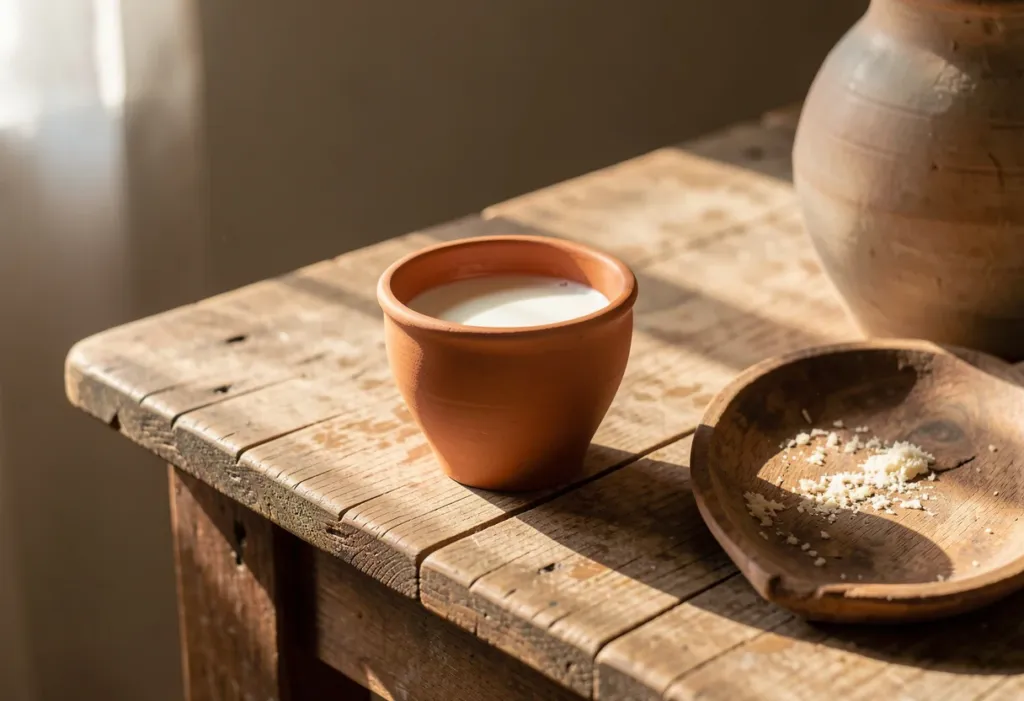
Ayran, by contrast, grew from practicality and daily routine. It was consumed across all social classes and carried by farmers, travelers, and soldiers as a cooling, nourishing drink that provided hydration and sustenance under the sun. With only yogurt, water, and salt, ayran’s simplicity made it affordable, portable, and universally loved. While sherbet represents tradition, festivity, and indulgence, ayran represents balance, refreshment, and everyday comfort—together showing how Turkish beverages serve both the extraordinary moments and the rhythms of daily life.
Nutritional and Health Benefits
| Feature | Ottoman Sherbet | Ayran |
| Base Ingredients | Fruits, flower essences, herbs, spices, sometimes honey | Yogurt, salt, water |
| Natural Ingredients | Natural sugars, antioxidants from fruits and flowers | Protein, calcium, probiotics |
| Primary Benefits | Provides quick energy from natural sugars | Supports digestion with probiotics |
| Digestive Support | Herbal infusions (mint, rose, etc.) may aid digestion | Helps balance heavy or spicy meals |
| Hydration | Refreshing but sweeter and more concentrated | Highly hydrating and cooling |
| Best Use | Enjoyed in small servings due to sweetness and strong flavor | Ideal alongside rich, grilled, or spicy foods |
| Overall Effects | Energizing and aromatic | Nourishing and balancing |
Flavor Pairings with Turkish Dishes
Ottoman sherbet shines best with lighter and aromatic dishes where its floral and fruity notes can enhance, rather than compete with, the food. With meze and appetizers like hummus, baba ghanoush, and stuffed grape leaves, sherbet adds a refreshing contrast that lifts herbal and olive-oil flavors. Its natural fragrance also makes it a beautiful companion to desserts such as baklava, revani, or pistachio cake, where it refreshes the palate without overwhelming sweetness. Even with fresh salads, fruit-infused sherbets highlight citrus, mint, and vegetable notes, creating a balanced, elegant dining experience that feels light yet satisfying.
Ayran is the go-to choice for heartier Turkish fare because its tangy, cooling nature balances rich and savory flavors. With grilled meats and kebabs, ayran cuts through fat and smoke, cleansing the palate between bites. It pairs equally well with pide and börek, where the yogurt’s acidity complements doughy textures and cheesy fillings. For spicy dishes, ayran works almost like a natural reset, soothing heat while adding a smooth, creamy mouthfeel. The result is a meal that feels lighter, more refreshing, and easier to enjoy from start to finish.
Seasonal and Contextual Considerations
Summer Dining
In warm weather, both Ottoman sherbet and ayran shine in refreshing ways. Sherbet, when served well chilled, becomes a cooling, fragrant companion for light meals, salads, and desserts, offering a burst of fruit and floral notes that feel uplifting in the heat. It’s especially enjoyable when you want something flavorful without heaviness. Ayran, on the other hand, is ideal for summer grilling and outdoor dining. Its cold, tangy yogurt base hydrates the body and balances smoky, savory dishes after a long, hot day. Whether paired with kebabs or simple breads, ayran keeps summer meals feeling light, clean, and satisfying.
Winter Comfort
As temperatures drop, beverage choices shift toward comfort and aroma. Sherbet can be enjoyed at room temperature in winter, allowing its spices, herbs, and fruit essences to feel warming and soothing rather than icy. It pairs beautifully with pastries, stews, and cozy meals that benefit from a gentle sweetness. Ayran is less common during colder months, but it still has a place alongside rich, hearty dishes like meat stews and baked specialties, where its acidity helps balance heavier flavors. Seasonal pairing ensures each drink enhances both the food and the atmosphere, aligning taste with the rhythm of the weather rather than working against it.
Ottoman Sherbet vs. Ayran: Which Suits You?
Choosing between Ottoman sherbet and ayran often comes down to your personal flavor preferences and the type of dining experience you’re after. If you’re drawn to sweet, floral, and aromatic profiles, Ottoman sherbet is a beautiful choice. Its fragrant notes from fruits, flowers, and herbs pair especially well with light appetizers and desserts, and it feels right at home during relaxed, celebratory, or special occasion meals. Sherbet adds a sense of elegance and tradition to the table, making each sip feel intentional rather than routine.
On the other hand, if you prefer something savory, tangy, and refreshing, ayran is the go-to. Its creamy yogurt base cools the palate, balances spicy or rich dishes, and works effortlessly with everyday Turkish favorites like kebabs, pide, and borek. Ayran is practical, hydrating, and versatile, which is why it remains a staple in daily Turkish dining. Of course, the best approach is often to try both. At Istanbul Kitchen, you can pair Ottoman sherbet and ayran with different menu items to experience firsthand how sweetness, acidity, texture, and aroma interact across a full meal. Exploring both drinks lets you discover not just what tastes good, but what truly complements your mood, your meal, and the moment.
Tips for Enjoying Ottoman Sherbet and Ayran
Temperature Matters
How a drink is served can change how it tastes. Ayran is best enjoyed well chilled, which enhances its cooling, refreshing quality and makes it especially satisfying alongside grilled meats, spicy dishes, or warm breads. The cold temperature sharpens its tangy notes and helps cleanse the palate between bites. Ottoman sherbet, however, is more flexible. While many fruit-based sherbets shine when served cold on warm days, floral or spice-infused varieties can also be enjoyed slightly cool or at room temperature. Serving sherbet according to its flavor profile allows its aromas and natural sweetness to come forward instead of being muted by too much chill.
Pair Smart
Thoughtful pairing elevates the entire meal. Ottoman sherbet works beautifully with lighter, aromatic dishes such as meze, salads, and desserts because its sweetness and fragrance enhance delicate flavors without overwhelming them. It adds dimension rather than contrast. Ayran, by comparison, excels with richer, savory meals. Its creamy acidity balances the fat in kebabs, cheesy pide, and spiced entrées, preventing the palate from feeling heavy. Matching the drink’s character with the food’s intensity keeps every bite and sip feeling harmonious.
Experiment
While tradition offers great guidance, the best experiences often come from curiosity. Don’t hesitate to try unexpected combinations. A fruit-forward sherbet might brighten a fresh salad, while ayran can surprisingly complement certain desserts by cutting sweetness with gentle tang. Exploring different pairings lets you discover personal favorites and adds excitement to the dining experience. Turkish cuisine is layered and expressive, and experimenting with beverages allows you to engage with those layers more fully.
Together, these small decisions—temperature, pairing, and exploration—transform a simple meal into a richer, more memorable Turkish dining experience.
In Conclusion
Understanding ottoman sherbet and ayran allow you to fully appreciate the nuances of Turkish cuisine. Whether you prefer the fragrant sweetness of sherbet or the tangy refreshment of ayran, pairing the right beverage with your meal enhances flavor, texture, and overall enjoyment. Dining at Istanbul Kitchen is an opportunity to explore these choices alongside authentic dishes, from meze and pide to kebabs and desserts.
Next time you visit Istanbul Kitchen, challenge your palate by trying both Ottoman sherbet and ayran with different dishes. Discover which drink suits your taste, share with friends or family, and savor the full spectrum of Turkish flavor. Make your meal not just a feast but a cultural experience that delights every sense. Dine with us now!