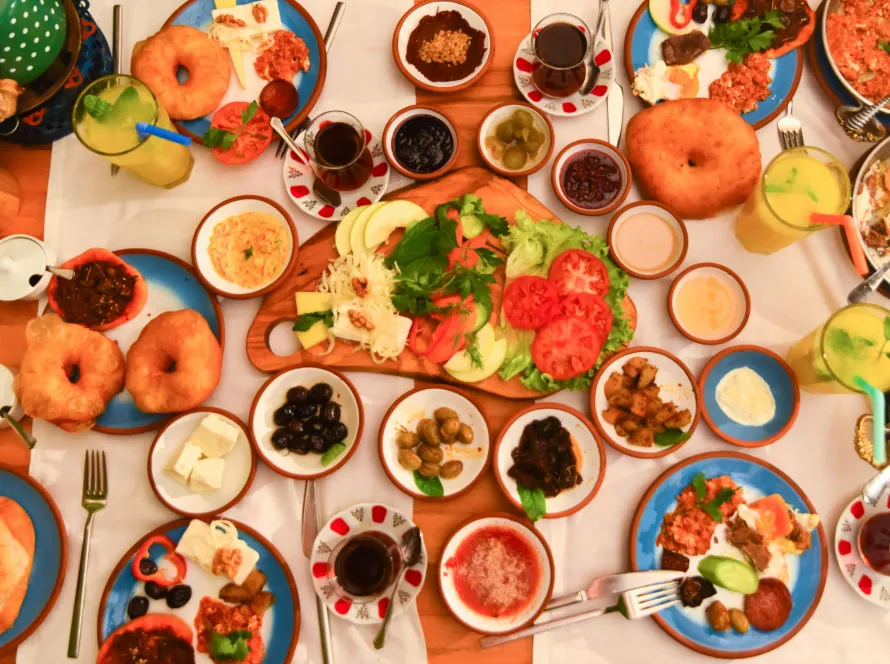
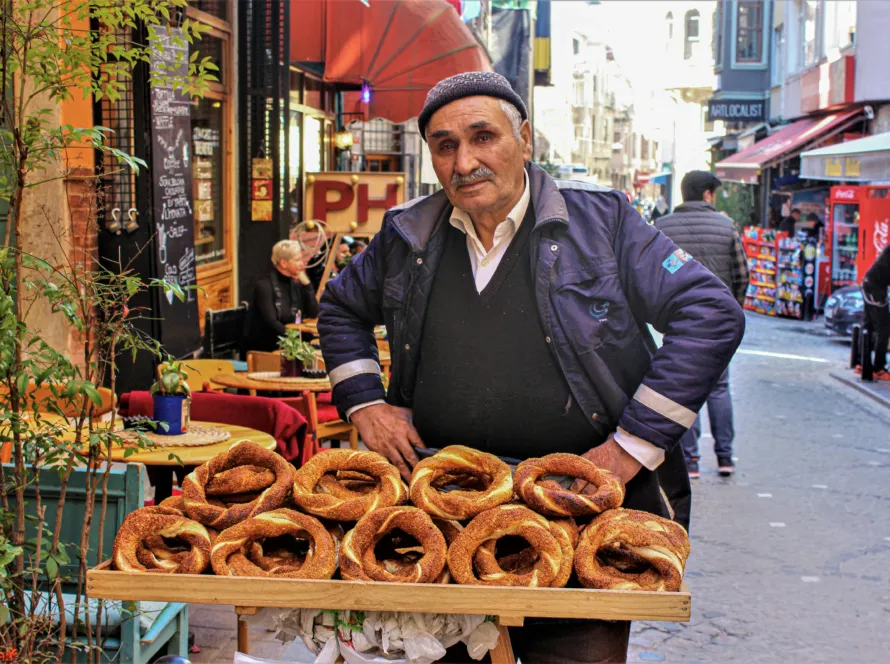
Simit is one of Turkey’s most iconic street breads. It is easy to recognize because of its circular shape and sesame-coated crust. For many people in Turkey, simit is more than everyday bread. It is a cultural staple. It is a common breakfast companion. It is also a snack enjoyed throughout the day at home, at work, and on busy city streets. Visitors who explore Turkish cuisine often notice simit early in their experience. Guests who dine at Istanbul Kitchen often recognize its appeal right away. The flavor is simple and balanced. The texture is crisp on the outside and soft inside. These qualities make simit easy to enjoy at any time of day.
Simit also stands apart from ordinary bread because of its long history and distinctive preparation method. Bakers shape the dough into rings and coat it generously with sesame seeds before baking. This process creates its signature appearance and texture. Simit pairs well with cheese, olives, tomatoes, jams, and traditional tea. It works as a quick breakfast option. It also serves as a satisfying snack between meals. Understanding what simit is and how people eat it helps explain why it remains an important part of everyday food culture in Turkey.
What Simit Is
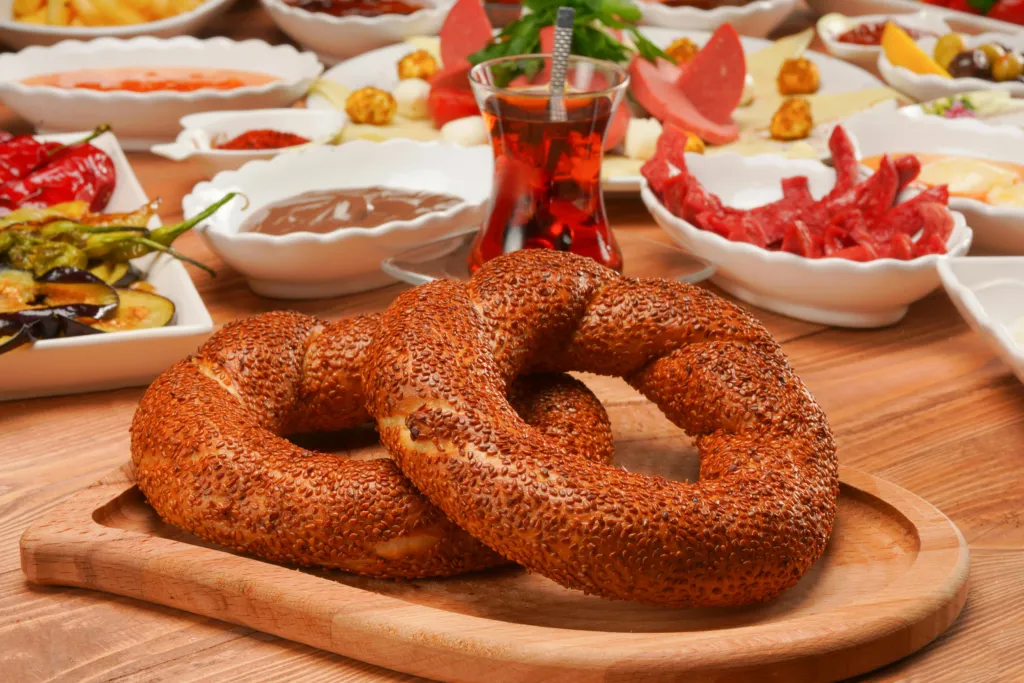
Simit is often described as a circular, sesame-coated bread with a crisp exterior and a soft interior. It represents centuries of culinary tradition in Turkey. Simit has been part of Turkish street culture since at least the 15th century. Street vendors sold it in major cities such as Istanbul and Ankara. Over time, bakers refined the recipe through consistent preparation methods and careful ingredient selection. This process helped make simit both affordable and satisfying for everyday consumption across many communities.
The classic simit recipe uses simple ingredients. These include flour, water, yeast, sugar, salt, and sesame seeds. Bakers shape the dough into rings and dip each ring into a molasses-based coating or light syrup. This step helps sesame seeds adhere evenly to the surface. The dough then bakes until golden brown. The result is a signature crust with a crisp texture and a soft interior. Some bakeries also prepare regional variations with poppy seeds or nigella seeds. Smaller versions are available for convenient snacking. Some variations include fillings such as cheese or olives. Guests who visit Istanbul Kitchen often enjoy simit served fresh and warm, which preserves its traditional texture and flavor.
How It’s Traditionally Eaten

Simit is more than just bread. It is a versatile meal component and an important social food in Turkey. People enjoy simit during breakfast, as a midday snack, and alongside afternoon tea. It pairs easily with cheese, olives, tomatoes, jams, and spreads. Many people also enjoy simit with a glass of traditional Turkish tea. Street vendors sell simit throughout busy neighborhoods, making it a convenient and familiar part of daily routines. Families often share simit at the table, and coworkers enjoy it together during short breaks. This everyday presence gives simit a strong cultural role and helps explain why it remains one of the most recognized and enjoyed breads in Turkish food traditions.
Breakfast Tradition
The most common way to enjoy simit is at breakfast. Many people pair it with Turkish tea and simple side dishes that highlight its texture and flavor. Popular accompaniments include beyaz peynir, along with fresh vegetables such as tomatoes and cucumbers. This combination creates a light yet satisfying start to the day and reflects the balanced style of a traditional Turkish breakfast.
Snack on the Go
Simit is also a popular street snack across many cities in Turkey. Vendors often sell them individually from carts and bakery windows, making it easy for people to enjoy a quick bite between errands or during daily commutes. Its convenient size and portability allow it to be eaten without preparation, while the crisp sesame-coated crust and soft interior provide a satisfying texture. Many people enjoy simit on its own, while others pair it with tea or a small portion of cheese for added flavor, making it a practical and familiar choice for on-the-go eating throughout the day.
Pairing With Beverages
While tea remains the most traditional pairing, simit also complements several other refreshing beverages that suit different times of the day. Many people enjoy simit with ayran, a lightly salted yogurt drink that balances the bread’s sesame-coated crust and enhances its savory notes. Others pair simit with coffee during a midday break, especially when enjoying it as a quick snack between meals. Fresh fruit juices are another popular choice, offering a bright and refreshing contrast to the bread’s nutty flavor and crisp texture.
These beverage pairings highlight simit’s natural versatility and make it easy to enjoy in both casual and structured meal settings. Whether served as part of breakfast, an afternoon snack, or a light bite on the go, simit adapts well to different flavors while helping the overall meal feel balanced and satisfying.
What Makes It Different From Bagels
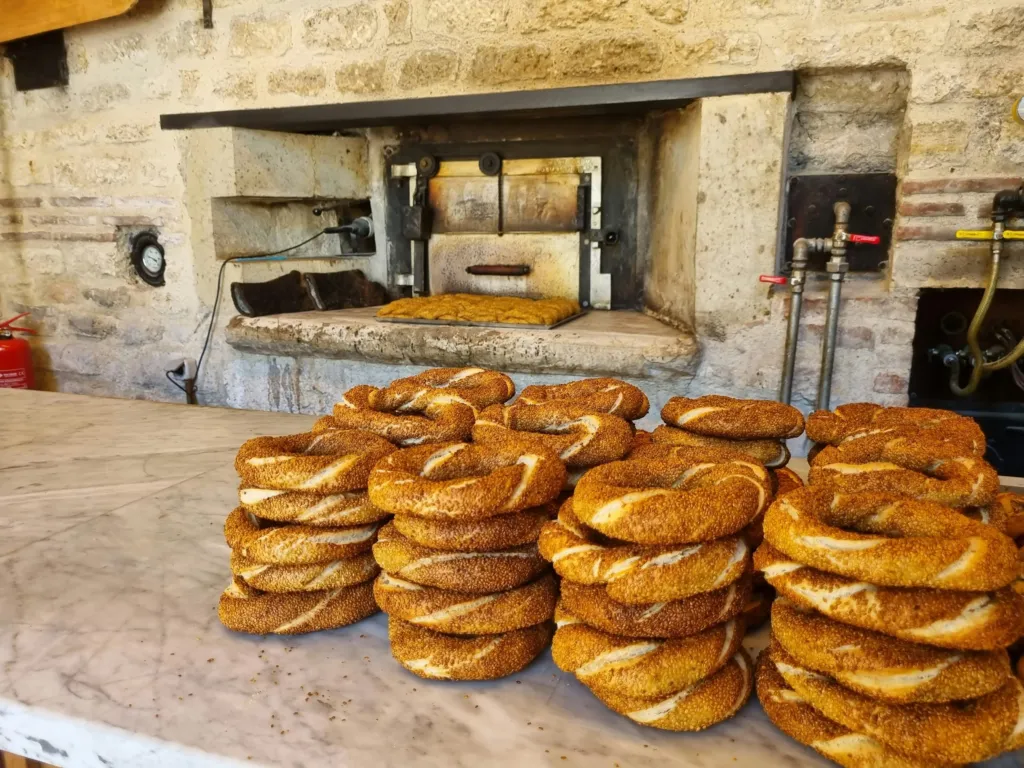
At first glance, simit may remind some people of a bagel. The two breads share a circular shape, but they differ in texture, preparation, and cultural role. Simit has a thin and crispy exterior with a soft and airy interior. A traditional bagel has a dense and chewy center with a shiny crust. The sesame coating on simit adds a nutty flavor and noticeable crunch. Many bagels have a smoother surface and a heavier bite. These differences create distinct eating experiences even though the shapes appear similar.
Preparation methods also set the two breads apart. Bakers usually boil bagels before baking them. This step creates their dense texture and glossy crust. Simit follows a different process. Bakers dip the shaped dough in a sugar-molasses mixture before baking. This step helps sesame seeds attach evenly and creates a lightly caramelized flavor on the surface. The result is a lighter structure and a crisp outer layer that feels less dense than a bagel.
Simit also holds a unique place in daily life in Turkey. It is closely connected to street culture and everyday routines. Vendors sell simit from carts near schools, ferry stops, and busy walkways. People often enjoy it while walking or during short breaks. Bagels are more commonly associated with structured breakfast habits in many Western countries. They are often served at cafés or prepared at home with spreads and fillings. These differences in preparation and daily use help explain why simit remains a recognizable symbol of Turkish food culture and urban life.
Why Simit Remains Popular Today
Simit’s enduring popularity comes from several important qualities that make it a lasting part of everyday food culture:
- Accessibility: Simit remains affordable and widely available across Turkey. Street vendors, neighborhood bakeries, and cafés sell it throughout the day. Its convenience makes it easy to enjoy during commutes, short breaks, or casual gatherings. This everyday availability helps simit stay connected to daily routines across many generations.
- Taste: Simit offers a balanced flavor with a crispy sesame-coated crust and a soft interior. The toasted sesame seeds create a nutty aroma, while the light molasses coating adds a subtle sweetness. This combination makes simit enjoyable on its own and easy to pair with both savory and lightly sweet accompaniments.
- Versatility: Simit works well as part of breakfast, as a midday snack, or as a light meal with simple sides such as cheese, olives, and fresh vegetables. It pairs naturally with tea, yogurt drinks, coffee, and juices. This flexibility allows simit to fit comfortably into many different eating habits throughout the day.
- Cultural Significance: Simit reflects everyday Turkish culinary tradition and street life. Vendors selling simit are a familiar sight in busy neighborhoods, public squares, and near transportation hubs. For many people, simit represents comfort, routine, and shared food experiences that connect modern life with long-standing traditions.
At Istanbul Kitchen, freshly baked simit maintains these traditional qualities and gives diners an opportunity to experience authentic Turkish street food culture in a welcoming restaurant setting.
How to Enjoy Simit Like a Local
Pair It With Traditional Sides
Simit pairs beautifully with classic Turkish accompaniments. Serve it alongside cheeses like beyaz peynir, a variety of olives, and fresh sliced vegetables such as tomatoes and cucumbers. This combination creates a balanced and satisfying meal while highlighting the bread’s nutty, sesame-coated flavor, offering an authentic taste of Turkish culinary tradition.
Try It With Beverages
Complement simit with traditional beverages to enhance the overall experience. A cup of Turkish tea (çay) brings out the bread’s subtle sweetness and pairs perfectly with its crisp texture. Ayran, a lightly salted yogurt drink, provides a refreshing contrast while balancing the sesame flavor. Coffee and fresh fruit juices are also excellent options for enjoying simit during different times of the day.
Share With Friends
Turkish dining culture emphasizes connection and community. Sharing simit with friends, family, or colleagues encourages conversation and creates a sense of togetherness. Whether enjoyed on the street, at a café, or around the table at home, simit mirrors the communal spirit of Turkish food culture and transforms a simple snack into a shared social experience.
Simit Beyond Breakfast
While simit is traditionally enjoyed in the morning, it can be eaten at any time of day, making it a versatile addition to meals, snacks, and social occasions. Many people enjoy it as a midday snack, grabbing a warm simit from Istanbul Kitchen for a quick and satisfying bite between errands or lunch. Its crisp sesame-coated exterior and soft, airy interior provide texture and flavor that make it both filling and convenient for on-the-go eating.
Simit also works well as a party food. Bakers and hosts can serve simit rings alongside spreads, dips, or small plates to offer guests a taste of Turkey in a communal setting. The circular shape and individual portions make it easy to share, creating a welcoming and interactive experience for friends and family. In addition, simit can be enjoyed as a dessert alternative. Pairing it with honey, fruit preserves, or nut-based spreads transforms the traditionally savory bread into a lightly sweet treat. This approach highlights its nutty flavor and delicate crunch while offering a new way to enjoy a classic Turkish favorite.
Frequently Asked Questions (FAQs)
1. What is the main difference between simit and bagels?
The main difference between simit and bagels lies in their texture, crust, and preparation. Simit has a thin, crispy crust and a soft, airy interior. It is coated with sesame seeds, which add flavor and crunch. Bagels are denser, with a chewy interior and a shiny crust. Bagels are traditionally boiled before baking, which contributes to their distinct texture. Simit, on the other hand, is baked directly after being dipped in a sugar-molasses coating. This process creates a lighter, slightly caramelized bread that feels different from a bagel.
2. Can simit be eaten any time of day?
Yes, simit can be enjoyed throughout the day. While it is traditionally a breakfast item, many people eat it as a snack or light meal at other times. It works well as a midday pick-me-up, paired with tea, coffee, or yogurt drinks. Simit is also versatile enough to be served at gatherings or as part of a casual lunch. Its portability and satisfying texture make it ideal for on-the-go eating. Restaurants like Istanbul Kitchen serve it fresh throughout the day. This flexibility adds to simit’s enduring popularity in Turkish culture.
3. Is simit vegan-friendly?
Traditional simit is generally vegan-friendly. It is made from basic ingredients: flour, water, yeast, sugar, salt, and sesame seeds. These components contain no animal products, making it suitable for those following a vegan diet. Some bakeries may add butter or milk in regional variations, so checking the recipe is recommended. The simple ingredients contribute to its light, airy texture and slightly sweet, nutty flavor. Simit’s naturally plant-based composition makes it accessible for a wide range of dietary preferences.
4. How is simit sold in Turkey?
In Turkey, simit is widely available from street vendors and local bakeries. Vendors often sell it individually or in small bundles. Many are baked fresh each morning, ensuring a crisp crust and soft interior. It is commonly purchased as a quick breakfast, snack, or accompaniment to tea. Street carts are a familiar sight near schools, markets, and transportation hubs. The convenience and affordability make it a daily staple for locals. Simit’s availability throughout the day keeps it deeply connected to Turkish street culture.
5. Can I make simit at home?
Yes, simit can be made at home, though replicating the authentic texture requires attention to detail. The dough must be shaped into rings consistently for even baking. It is then dipped in a sugar-molasses coating to help the sesame seeds adhere. Baking at the right temperature ensures a crisp exterior and soft, airy interior. Homemade simit allows for experimentation with toppings or size, such as mini versions for snacks. While the process requires some practice, home-baked simit can deliver a satisfying taste of traditional Turkish bread.
Experience Simit at Istanbul Kitchen
Whether you are a first-time visitor to Turkish cuisine or a longtime fan, trying simit is an essential experience. This circular bread is warm, crisp, and generously coated in sesame seeds, delivering a satisfying crunch with every bite. Its soft, airy interior balances the texture, making it perfect for breakfast, a midday snack, or a light meal. At Istanbul Kitchen, each simit is freshly baked throughout the day to capture the authentic flavor, aroma, and texture that have made this bread a beloved staple in Turkey for centuries. The combination of traditional preparation methods, high-quality ingredients, and careful baking ensures that every simit served offers a true taste of Turkish culinary heritage.
Don’t miss the opportunity to enjoy authentic simit in Tysons Corner. Stop by Istanbul Kitchen to savor a warm, sesame-coated treat paired with Turkish tea, ayran, or fresh vegetables for a complete and balanced experience. Simit can be enjoyed on its own or shared with friends and family, making it ideal for casual meals, social gatherings, or simply a comforting snack. Each bite delivers the familiar flavors and textures that have made simit a cultural favorite in Turkey. Come and discover why simit remains a treasured part of Turkish street food culture and experience firsthand the joy and tradition baked into every piece.