Turkish manti is often described as one of the most labor-intensive yet deeply rewarding dishes in Turkish cuisine, symbolizing patience, craftsmanship, and a profound respect for tradition. Each tiny dumpling reflects hours of careful preparation and generations of culinary knowledge passed down through families. At Istanbul Kitchen, manti holds a special place on the menu, giving diners the chance to experience a dish shaped by centuries of home cooking, regional pride, and communal gatherings around the table. More than just a meal, manti represents hospitality, care, and the joy of sharing something handmade.
In this guide, we explore what makes Turkish manti unique, how it is traditionally prepared, the cultural meaning behind its meticulous process, and why it continues to stand as one of Turkey’s most beloved comfort foods both at home and abroad. Whether you’re discovering manti for the first time or deepening your appreciation for Turkish cuisine, understanding its story adds richness to every bite.
What Is Turkish Manti?
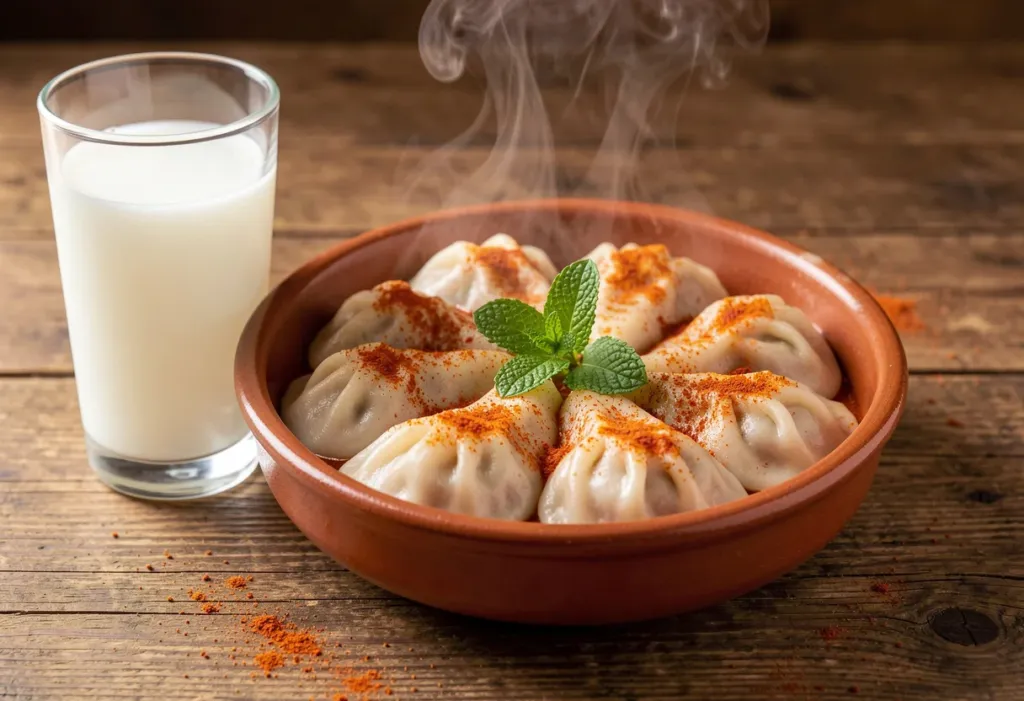
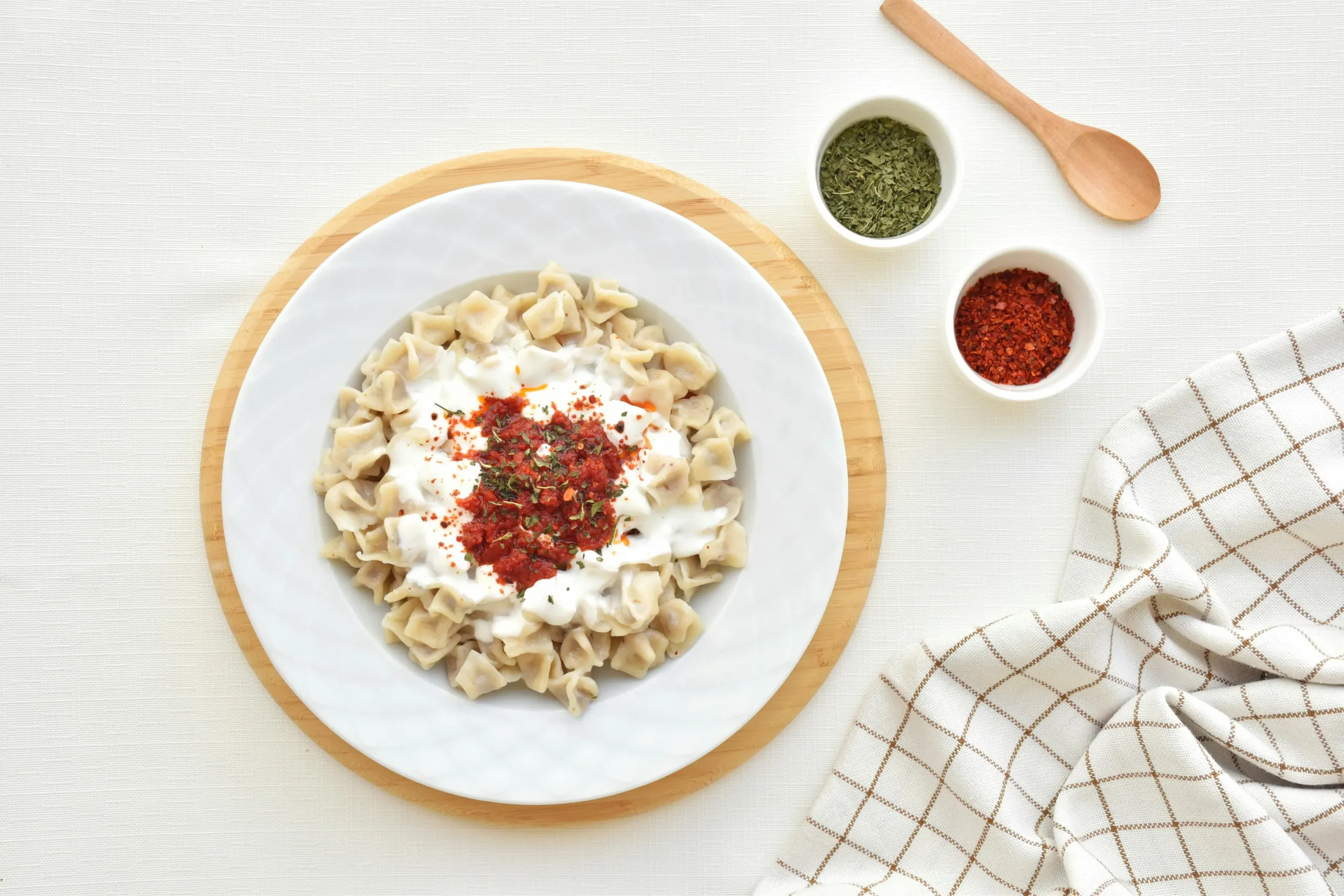
Turkish manti is a delicate style of dumpling made from paper-thin dough filled with seasoned ground meat, most often beef or lamb blended with subtle spices and onion. Each piece is folded into tiny parcels, then gently cooked until tender. What truly defines the dish is how it’s finished, manti is traditionally topped with cool, garlicky yogurt and a warm butter sauce infused with spices like paprika or Aleppo pepper, creating a contrast of creamy, savory, and aromatic flavors in every bite.
What sets manti apart from dumplings found around the world is its size, craftsmanship, and presentation. Traditional Turkish manti is famously miniature, so small that legend says forty pieces should fit on a single spoon. While modern restaurant portions may be slightly larger for practicality, the philosophy of precision and care remains the same. Each dumpling is meant to be hand-folded, evenly filled, and perfectly sealed so it holds flavor without overwhelming the palate.
At Istanbul Kitchen, manti is prepared to honor this heritage while making the experience approachable for today’s diners. The balance of tender dough, savory filling, cooling yogurt, and aromatic butter sauce reflects centuries of Turkish cooking tradition, served in a way that feels both comforting and refined.
The Cultural Significance of Manti in Turkey
In Turkish culture, manti is deeply rooted in family tradition and shared effort. Preparing it is rarely a solo task; instead, it becomes a gathering in itself where multiple generations come together around the table. Someone rolls the dough thin, others spoon in the filling, and hands move quickly to fold each tiny parcel. These manti-making days are as much about connection as they are about cooking. Stories are exchanged, techniques are learned by watching rather than reading, and recipes are passed down through feel and memory. Because manti demands patience, precision, and time, it has long symbolized care and hospitality. Serving manti to guests communicates respect, generosity, and genuine effort, it tells people they matter. That same meaning carries into modern kitchens like Istanbul Kitchen, where manti is treated not simply as a dish, but as a reflection of Turkish warmth, craftsmanship, and tradition brought thoughtfully to today’s table.
The Origins and Evolution of Turkish Manti
Manti’s story begins in Central Asia, where Turkic nomadic cultures created dumplings as a practical, nourishing food that could be prepared with simple ingredients and shared easily on long journeys. As these communities migrated westward into Anatolia, the dish traveled with them, slowly evolving with local tastes, climates, and culinary traditions. In Turkey, manti developed rich regional identities. Kayseri manti became the most famous, celebrated for its incredibly small size and meticulous folding technique that reflects both skill and pride. In some areas, manti is lightly baked before boiling to add depth and texture, while other regions enrich the dish with chickpeas or serve it in broth for a heartier presentation. Despite these variations, the soul of manti remains unchanged: thin dough wrapped around seasoned meat, finished with cooling yogurt and warm butter sauce. This balance of heritage and adaptation is what allows manti to feel timeless, honoring its Central Asian roots while expressing the diverse character of Turkish cuisine across generations.
The Key Components of Turkish Manti
The Dough
Manti dough may appear simple, but it is famously unforgiving. Made from just flour, water, salt, and sometimes egg, the dough must be kneaded until it becomes smooth, supple, and elastic, then rested so the gluten relaxes before rolling. The real craft comes in rolling it extremely thin without tearing or drying out. This thinness is essential: it allows the dumpling to cook evenly and stay delicate rather than dense or doughy. When done properly, the wrapper almost melts into the filling, creating a light texture that lets the seasoned meat and sauces take center stage instead of being weighed down by excess pastry.
The Filling
Traditional manti filling is made with finely ground beef or lamb blended with grated onion, salt, and black pepper. The seasoning is intentionally restrained so the natural richness of the meat remains the star rather than being masked by heavy spices. This simplicity is part of manti’s elegance. Instead of overwhelming the palate, the filling provides a savory foundation that pairs seamlessly with the tangy garlic yogurt and warm butter sauce poured over the dumplings. In manti, flavor comes from balance and layering, not intensity, each component enhancing the next for a harmonious, comforting bite.
The Yogurt Sauce
Garlic yogurt is not just a topping for Turkish manti, it is an essential component that defines the dish. Thick, tangy yogurt is blended with freshly crushed garlic and a touch of salt, then spooned generously over the warm dumplings just before serving. The yogurt seeps into the folds of the manti, coating each piece with a creamy, slightly sharp layer that enhances the savory filling beneath.
One of manti’s most distinctive qualities is this interplay of temperature and texture. The dumplings arrive warm and tender, while the yogurt is cool and refreshing. This contrast creates balance in every bite, softening the richness of the meat and preparing the palate for the final flourish of spiced butter sauce. Without garlic yogurt, manti would feel incomplete — it is the element that ties the dish together and gives it its signature harmony.
The Butter and Spice Topping
The finishing touch on Turkish manti is a drizzle of melted butter infused with spices, most commonly red pepper flakes or paprika. The butter is gently heated until fragrant, allowing the spices to bloom and release their color and aroma. Once poured over the garlicky yogurt, it creates a warm, silky layer that contrasts beautifully with the cool creaminess beneath.
This step does more than add richness. The spiced butter ties the entire dish together, carrying subtle heat, depth, and visual appeal across every dumpling. As it flows into the creases of the manti, it amplifies the savory notes of the meat while adding a comforting warmth. The result is a dish that feels indulgent yet balanced, where aroma, texture, and flavor meet in a final, memorable flourish.
The Art of Folding Manti
Folding is where Turkish manti truly becomes an art form rather than just a recipe. Each tiny parcel must be sealed carefully so the filling stays inside during cooking, yet remain light and uniform so it doesn’t feel heavy on the plate. The way manti is folded directly affects the final experience: the texture of the dough, the visual elegance of the dish, and how well the yogurt and butter sauce cling to each dumpling. A tight, balanced fold allows sauce to settle into the creases, ensuring every bite carries flavor instead of slipping off the surface. Poorly folded manti can open in the water, lose its filling, or become uneven, which is why patience and precision matter at every step.
Across Turkey, folding styles vary slightly, but the intention is always the same—small, sealed, and beautiful. The famous Kayseri-style manti uses a delicate pinched fold that gathers the corners into a compact bundle, creating signature ridges for sauce to hold onto. Other regions shape manti into tiny envelopes, boat forms, or soft bundles, each offering a different balance of dough and filling. Regardless of the style, consistency is key. At Istanbul Kitchen, manti reflects these traditional folding techniques while maintaining uniform size and structure for restaurant service, ensuring every plate delivers the same craftsmanship, flavor, and visual appeal that has defined this dish for centuries.
How Turkish Manti Is Cooked
Turkish manti is most commonly prepared by gentle boiling. The dumplings are placed in lightly salted water and cooked just until the dough becomes tender and the filling is fully cooked. Timing is critical, overboiling can cause the delicate parcels to burst, losing both their shape and the flavorful meat inside, while undercooking leaves the dough dense and chewy. This careful balance ensures that the manti maintains its characteristic texture and can properly absorb the garlic yogurt and butter sauce that will be added later.
In some regions, baking serves as an alternative method. Manti may be lightly baked before boiling or even served in a broth, showcasing the creativity and regional diversity of Turkish cuisine. These variations, while less common than the traditional boiled approach, allow cooks to experiment with texture, flavor, and presentation, giving diners a slightly different experience of this classic dish. Both methods, boiling or baking, require attention and precision, reinforcing why manti is considered both a culinary skill and an art form.
How Turkish Manti Is Served at Istanbul Kitchen
At Istanbul Kitchen, manti is served in a way that honors centuries of tradition while catering to modern dining expectations. The dumplings arrive warm, carefully arranged, and generously topped with garlicky yogurt before being finished with a fragrant, spiced butter sauce. Each element is balanced, creamy yogurt, rich butter, tender dough, and flavorful meat, so diners can enjoy the full spectrum of textures and flavors in every bite without being overwhelmed. This presentation makes manti approachable for first-time tasters while remaining deeply satisfying for those familiar with Turkish culinary traditions, offering a true taste of Turkey in every serving.
Flavor Profile: What to Expect
Turkish manti is celebrated for its balance and subtlety rather than bold spice or heaviness. The dish combines soft, delicate dough with a savory, well-seasoned meat filling, creating a tender, satisfying bite. A generous topping of cool, tangy garlic yogurt contrasts with the warm, aromatic butter drizzled over it, adding richness and fragrance without overwhelming the palate. Together, these layers produce a comforting, harmonious flavor profile that is complex yet gentle, a true reflection of Turkish culinary elegance.
Why Turkish Manti Appeals to Modern Diners
Turkish manti offers comfort without excess, delivering rich, satisfying flavors without relying on heavy sauces or fried elements. This thoughtful balance makes it a perfect choice for diners seeking indulgence that still feels light and intentional. At the same time, manti strikes a note of familiarity, its small dumpling form is reminiscent of pasta or other dumplings, while maintaining a distinctly Turkish identity through the signature combination of garlicky yogurt and aromatic butter. The result is a dish that is both approachable and uniquely memorable.
Best Pairings with Turkish Manti
At Istanbul Kitchen, manti is thoughtfully paired with traditional Turkish beverages to complement its flavors. A glass of chilled ayran provides a cooling, savory balance to the warm, garlicky dumplings, enhancing each bite without overpowering it. Following the meal, a cup of Turkish tea offers a clean, soothing finish, rounding out the experience. These pairings honor tradition while elevating the overall dining experience, letting the flavors of the manti shine.
Why Turkish Manti Endures
Turkish manti has endured for centuries not as a fleeting trend, but because it embodies care, patience, and balance in every step, from preparing the delicate dough to folding each tiny dumpling and finishing with garlicky yogurt and spiced butter. It reflects a culinary philosophy that values time, intention, and craftsmanship over shortcuts. In today’s fast-paced dining world, manti serves as a gentle reminder that some meals are meant to be savored slowly, offering both nourishment and a connection to tradition.
In Conclusion
Understanding the craft behind Turkish manti enriches every bite, revealing the care and skill involved in its creation. From the delicate folding of tiny dumplings to the perfect balance of garlicky yogurt and spiced butter, manti embodies the essence of Turkish home cooking, where patience, flavor, and tradition converge. At Istanbul Kitchen, this heritage is preserved and shared, inviting diners to experience an authentic dish that continues to connect generations through both taste and the stories woven into every serving.
If you haven’t yet experienced Turkish manti, let Istanbul Kitchen be your first taste. Order it on your next visit, savor the delicate dumplings topped with garlicky yogurt and spiced butter, and share the experience with friends. Discover why this centuries-old dish remains one of Turkey’s most cherished comfort foods, every bite tells a story of tradition, care, and flavor.