Turkish spices play a central role in shaping the flavors, aromas, and character of traditional Turkish cuisine. Rather than relying on intense heat, Turkish cooking uses spices with precision to highlight natural ingredients and create well-balanced flavor profiles. At Istanbul Kitchen in Tysons Corner, these spices form the culinary foundation that helps bring authenticity and depth to every dish served.
From grilled kebabs and hearty stews to fresh salads and savory flatbreads, Turkish spices add layers of warmth, fragrance, and complexity. Each spice contributes a distinct quality—earthy, smoky, tangy, or slightly sweet—allowing dishes to develop rich and satisfying flavor combinations. Instead of overpowering the food, these seasonings enhance meats, vegetables, grains, and sauces, creating meals that feel both vibrant and harmonious.
Beyond flavor, spices also reflect the long culinary history of Turkey, influenced by trade routes, regional traditions, and centuries of cultural exchange. Understanding how these spices are used helps explain why Turkish cuisine has remained beloved for generations and why restaurants like Istanbul Kitchen continue to attract diners looking for authentic, time-honored flavors.
This guide explores some of the essential Turkish spices, their cultural significance, and the ways they transform simple ingredients into memorable, flavorful dishes.
The Role of Spices in Turkish Culinary Tradition
Flavor Without Excess
One of the defining characteristics of Turkish cooking is its sense of restraint. Spices are used carefully to enhance the natural qualities of ingredients rather than overpower them. Unlike cuisines that rely heavily on intense heat or strong spice blends, Turkish recipes focus on balance and harmony. The goal is to allow fresh vegetables, quality meats, olive oil, and herbs to shine while spices add depth and character.
Often, a dish may include only a small number of spices, yet each one plays a deliberate role in shaping the flavor. These spices help enhance the natural taste of the ingredients, add gentle warmth and inviting aromas, and introduce subtle layers of complexity that develop as the dish is enjoyed. This thoughtful approach ensures that flavors remain well-rounded and satisfying rather than overwhelming.
At Istanbul Kitchen, this philosophy guides the preparation of many dishes, from grilled meats and traditional meze to signature house specialties. By carefully selecting and balancing spices, the chefs create meals that capture the authentic spirit of Turkish cuisine while delivering rich, memorable flavors.
A Culinary Heritage Influenced by Trade
Turkey’s geographic position has played a major role in shaping its culinary traditions. Located at the crossroads of Europe, Asia, and the Middle East, the region historically served as a vital hub along major trade routes. Merchants traveling these routes brought spices and ingredients from distant lands, introducing new flavors that gradually became part of local cooking practices. Over time, these influences blended with regional ingredients and traditions, creating the rich and diverse cuisine that Turkey is known for today.
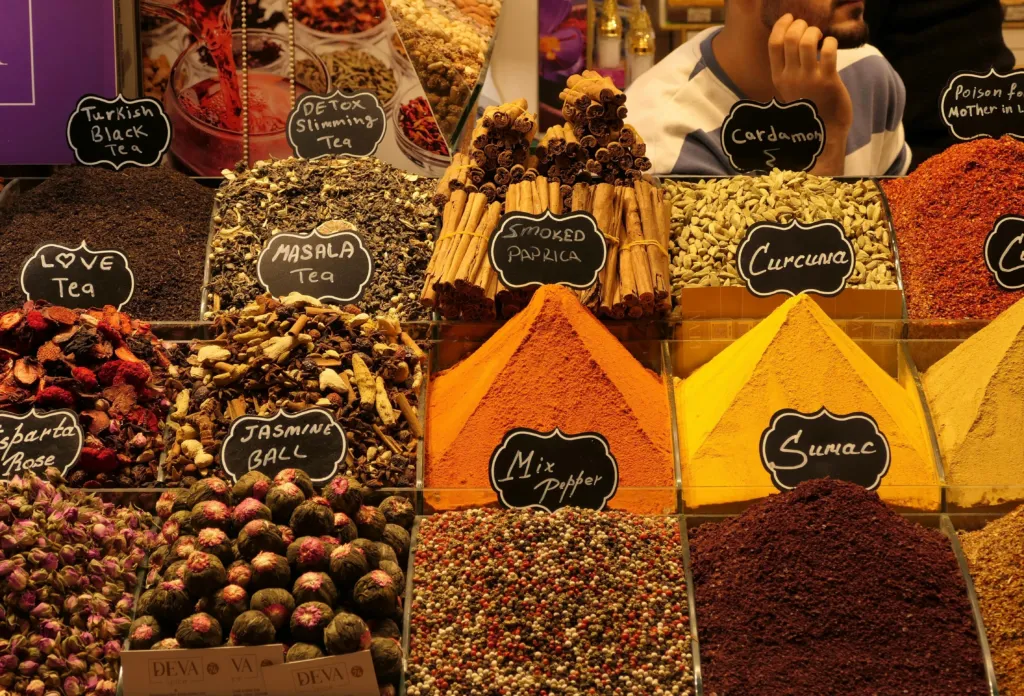
For centuries, bustling markets particularly in cities like Istanbul have displayed vibrant mounds of spices in open stalls, filling the air with distinctive aromas. Each spice reflects a long history of cultural exchange, trade, and culinary experimentation. These markets were not only places of commerce but also centers where cooking traditions evolved as new ingredients became available.
Today, these same spices remain an essential part of Turkish kitchens. They continue to shape the flavor profiles of classic dishes, preserving the culinary heritage that has developed through generations while still delighting modern diners with their depth and authenticity.
Essential Turkish Spices That Define the Cuisine
Paprika
Paprika is one of the most widely used spices in Turkish cooking, valued for the warmth, color, and subtle sweetness it brings to a variety of dishes. Rather than overpowering other ingredients, paprika enhances natural flavors while adding a rich red hue that makes meals visually appealing. Its gentle, balanced taste allows it to complement meats, vegetables, and sauces without dominating the overall flavor profile.
Varieties of Paprika
Turkish chefs often use several types of paprika depending on the flavor they want to achieve. Sweet paprika provides a mild, slightly sweet taste that works well in stews, marinades, and vegetable dishes. Smoked paprika introduces a deeper, smoky character that enhances grilled meats and roasted ingredients. Hot paprika, on the other hand, adds a light touch of heat while still maintaining the balanced flavor Turkish cuisine is known for.
Paprika appears frequently in dishes such as grilled kebabs, meat marinades, tomato-based sauces, and seasoning blends. Its versatility makes it an essential spice in many traditional recipes, helping create the layered flavors that define Turkish cooking.
Cumin
Cumin is a staple spice in Turkish cooking, known for its earthy, slightly nutty flavor that pairs especially well with meat-based dishes. Its warm aroma adds depth to savory recipes while still allowing other ingredients to shine. In Turkish cuisine, cumin is commonly used in dishes such as grilled kebabs, traditional meatballs known as köfte, and hearty lentil preparations. When added in balanced amounts, it enhances the overall flavor profile without overpowering the dish, contributing a subtle richness that complements both meats and legumes.
Red Pepper Flakes (Pul Biber)
Pul biber is one of the most recognizable spices in Turkish cuisine, known for its vibrant red color and mild, balanced heat. Made from dried and crushed red peppers, this spice adds both visual appeal and a gentle warmth that enhances dishes without overpowering them. Unlike extremely spicy chili flakes, pul biber delivers a subtle heat that complements the natural flavors of the ingredients. It is commonly sprinkled over grilled meats, stirred into creamy yogurt sauces, or used to season vegetable dishes, adding depth and a hint of spice. Guests dining at Istanbul Kitchen often notice pul biber in kebab seasoning, where it contributes a signature touch of warmth and color that defines many traditional Turkish dishes.
Oregano
Oregano is widely used in Turkish cuisine for the aromatic freshness it brings to many savory dishes. Its slightly peppery and herbal flavor enhances ingredients without overpowering them, making it a popular seasoning in both marinades and finishing touches. In particular, oregano pairs beautifully with grilled foods such as lamb dishes, chicken kebabs, and roasted vegetables. When used with these ingredients, it adds brightness and a fragrant note that balances the richness of meats and the natural sweetness of roasted produce, helping create the well-rounded flavors that characterize traditional Turkish cooking.
Mint
Mint is a versatile herb commonly used in Turkish cuisine, prized for its refreshing aroma and bright flavor. Both fresh and dried forms find their way into a variety of dishes, adding a cooling contrast that balances richer, warmer flavors. In yogurt sauces, mint enhances tanginess while providing a fresh note, and in salads, it brightens vegetables and herbs. It also complements rice dishes, subtly lifting the flavors and creating a harmonious balance alongside warm spices and grilled meats, making it an essential component of many traditional Turkish recipes.
Spice Blends in Turkish Cooking
Turkish cuisine emphasizes carefully balanced combinations, where simplicity allows each spice to shine. Chefs often rely on just two or three complementary spices to achieve depth and harmony without overwhelming the dish. For instance, cumin paired with paprika enhances the flavor of grilled meats, sumac combined with onion brightens fresh salads, and mint blended with yogurt creates refreshing, aromatic sauces. This restrained approach ensures that each ingredient is recognizable and contributes to the overall balance of the dish.
Marinades and rubs are a central way these spices are applied. Typically made with olive oil, garlic, lemon juice, and selected spices, marinades infuse meats with flavor while tenderizing them for grilling. Rubs similarly coat proteins with concentrated seasoning, creating aroma, color, and a flavorful crust when cooked. Together, these techniques showcase the thoughtful use of Turkish spices in everyday cooking.
Turkish Spices in Grilled Dishes
Grilled meats are some of the most celebrated dishes in Turkish cuisine, and the careful use of spices is key to their signature flavor. At Istanbul Kitchen, kebabs are seasoned with spices such as cumin for earthy warmth, paprika for vibrant color, and pul biber for gentle heat. Each spice enhances the natural taste of the meat without overpowering it, allowing the grilled flavors to remain front and center.
When these spices meet the high heat of open-flame grilling, they caramelize slightly on the meat’s surface, creating a rich, smoky aroma and deepening the flavor. This process adds a recognizable Turkish character to each kebab, making every bite aromatic, savory, and satisfying for guests.
Turkish Spices in Meze and Appetizers
Meze dishes showcase the artful use of spices in Turkish cuisine, often through dips, spreads, and salads that highlight subtle, layered flavors. Common examples include creamy yogurt blended with dried mint, smoky eggplant preparations seasoned with paprika, and crisp onion salads finished with a sprinkle of tangy sumac. These small plates allow diners to experience the depth of Turkish spices in a way that enhances rather than overwhelms the ingredients, setting the stage for the main course.
In meze, spices work in harmony with fresh vegetables, herbs, and high-quality olive oil. Rather than dominating the palate, they accentuate natural flavors, creating a refreshing and well-rounded appetizer experience that introduces guests to the nuanced complexity of Turkish cooking.
Turkish Spices in Bread and Flatbreads
Turkish flatbreads such as lahmacun and pide highlight spices through their flavorful toppings. Ground meat mixtures are often seasoned with cumin, paprika, garlic, and fresh parsley, creating a savory and aromatic combination that complements the thin, crisp dough. These spiced toppings enhance each bite, providing a satisfying balance of warmth, herbaceousness, and depth that makes these flatbreads a beloved part of Turkish cuisine.
The Aroma of Turkish Kitchens
In Turkish cuisine, spices do more than flavor food, they engage the senses from the moment diners enter the room. At Istanbul Kitchen, the warm aroma of grilled meats, the subtle scent of freshly ground spices, and the fragrance of herbs like mint and parsley greet guests immediately, creating anticipation for the meal ahead. These scents set the tone for the dining experience, enhancing the perception of flavor before the first bite.
Aromatic spices often leave a lasting impression, tying taste to memory. Guests frequently recall the smell of smoky kebabs, spiced eggplant, or fresh flatbreads long after leaving the restaurant, demonstrating how Turkish spices connect the senses, evoke nostalgia, and make each dining experience memorable.
Health Benefits of Turkish Spices
Antioxidant Properties
Many Turkish spices, including paprika, sumac, and cumin, are naturally rich in antioxidants. These compounds help combat oxidative stress in the body, supporting overall health and wellness. Incorporating such spices into daily meals not only enhances flavor but also contributes beneficial nutrients that may help reduce inflammation and support long-term wellbeing.
Digestive Support
Herbs and spices like mint and cumin have long been valued for their digestive benefits. Mint can soothe the stomach and reduce bloating, while cumin stimulates enzyme activity that aids in breaking down food efficiently. Including these spices in meals—whether in grilled meats, yogurt sauces, or salads—can make heavier dishes easier to digest and more comfortable to enjoy.
Natural Flavor Without Excess Salt
Turkish cooking demonstrates that rich, satisfying flavor doesn’t require excessive salt or artificial additives. Spices such as paprika, sumac, oregano, and pul biber provide depth, warmth, and complexity, allowing dishes to taste vibrant and full-bodied. This approach supports healthier eating habits while keeping meals authentically flavorful and aromatic.
How Istanbul Kitchen Uses Turkish Spices
At Istanbul Kitchen, the use of spices reflects a deep commitment to authentic Turkish preparation, where each dish honors time-honored flavor combinations and traditional culinary techniques. Chefs carefully measure and apply spices to ensure consistency, so that guests enjoy the same balanced, signature taste with every visit. Freshness remains a top priority using high-quality, freshly sourced spices guarantees vibrant aromas and rich, nuanced flavors that elevate every meal, from perfectly grilled kebabs to flavorful meze and indulgent desserts.
The Importance of Balance
Turkish cooking emphasizes balance over intensity, using spices to enhance rather than overpower dishes. Each ingredient is thoughtfully paired to work in harmony, creating layers of flavor that feel both complex and approachable. For example, tangy sumac brightens the natural richness of grilled meats, fresh mint provides a cooling contrast in yogurt-based sauces, and paprika adds gentle warmth and color without overwhelming the palate. This meticulous approach allows every component—meat, vegetable, or grain—to shine while contributing to a cohesive taste experience. The result is a cuisine where flavors are vivid yet balanced, letting diners savor the natural qualities of each ingredient alongside the subtle, artful interplay of spices that defines authentic Turkish cooking.
Exploring Turkish Cuisine in Tysons Corner
Restaurants like Istanbul Kitchen bring centuries of culinary tradition to Northern Virginia, offering a dining experience that goes beyond a meal. By incorporating authentic Turkish spices, the chefs recreate flavors that reflect the country’s rich culinary heritage, from the savory warmth of grilled kebabs to the aromatic freshness of meze and salads. Each dish is crafted with care, balancing spices to highlight natural ingredients and deliver an authentic taste of Turkey. Guests can savor these flavors in a welcoming environment that combines comfort, hospitality, and a genuine appreciation for traditional cooking techniques, making every visit both memorable and culturally enriching.
Why Turkish Spices Continue to Inspire Chefs
The versatility of Turkish spices allows them to elevate a wide range of ingredients, from fresh vegetables and hearty grains to succulent meats and warm, crisp breads. Their nuanced, balanced flavor profiles add depth without overwhelming the dish, making each bite both comforting and exciting. This adaptability appeals to modern diners who appreciate meals that are flavorful yet approachable, offering a dining experience that feels wholesome, vibrant, and rooted in centuries of culinary tradition.
In Conclusion
Turkish spices are the backbone of one of the world’s most celebrated culinary traditions. By carefully selecting and thoughtfully combining these ingredients, chefs transform simple components into dishes rich with aroma, warmth, and character. At Istanbul Kitchen in Tysons Corner, traditional Turkish spices bring authenticity and depth to every meal. From perfectly grilled kebabs to savory flatbreads, refreshing salads, and vibrant meze, each dish reflects a culinary heritage built on balance, nuance, and craftsmanship. Exploring these spices gives diners a deeper understanding and appreciation of the flavors, revealing why Turkish cuisine continues to captivate food lovers and maintain a devoted following around the globe.
Ready to experience the rich flavors of Turkish spices firsthand? Visit Istanbul Kitchen in Tysons Corner and explore dishes crafted with traditional seasonings and fresh ingredients. Gather friends or family, order a selection of meze and grilled specialties, and discover how authentic Turkish spices transform every bite. Reserve your table today and enjoy a meal rooted in tradition and flavor.