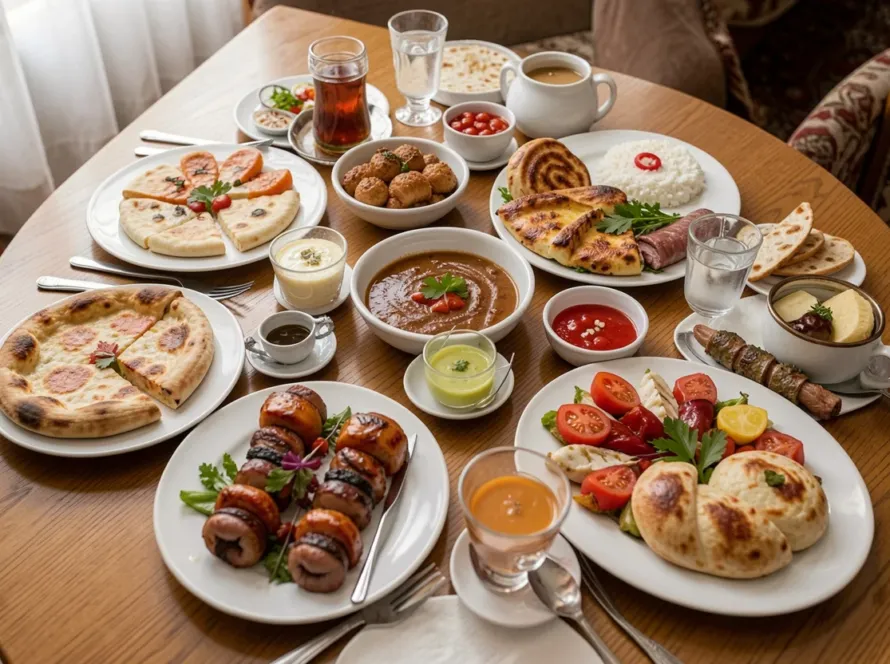
Turkish dining is built on the idea that meals are meant to be shared, experienced slowly, and enjoyed in the company of others. Across homes, cafés, and restaurants throughout Turkey, the table serves as a place where conversation unfolds naturally, hospitality takes center stage, and food connects people across generations. This tradition continues today in restaurants such as Istanbul Kitchen, where dishes are designed to be passed around the table instead of remaining on individual plates. Sharing encourages guests to interact with one another while exploring a variety of flavors throughout the meal.
Unlike fast, individual-style dining, Turkish meals invite everyone at the table to participate together. Plates arrive in stages, each one adding a new texture or flavor that builds the overall experience. Guests sample mezze, breads, grilled dishes, and desserts in a natural rhythm that supports conversation and connection. The focus stays on the table as a shared space rather than a personal serving setting.
Understanding how sharing shapes Turkish dining helps diners recognize why these meals feel welcoming, relaxed, and memorable from the first bite to the last sip of tea. This approach turns dining into more than a routine activity. It creates a social experience that reflects warmth, generosity, and tradition.
What Makes Turkish Dining Different From Other Dining Styles
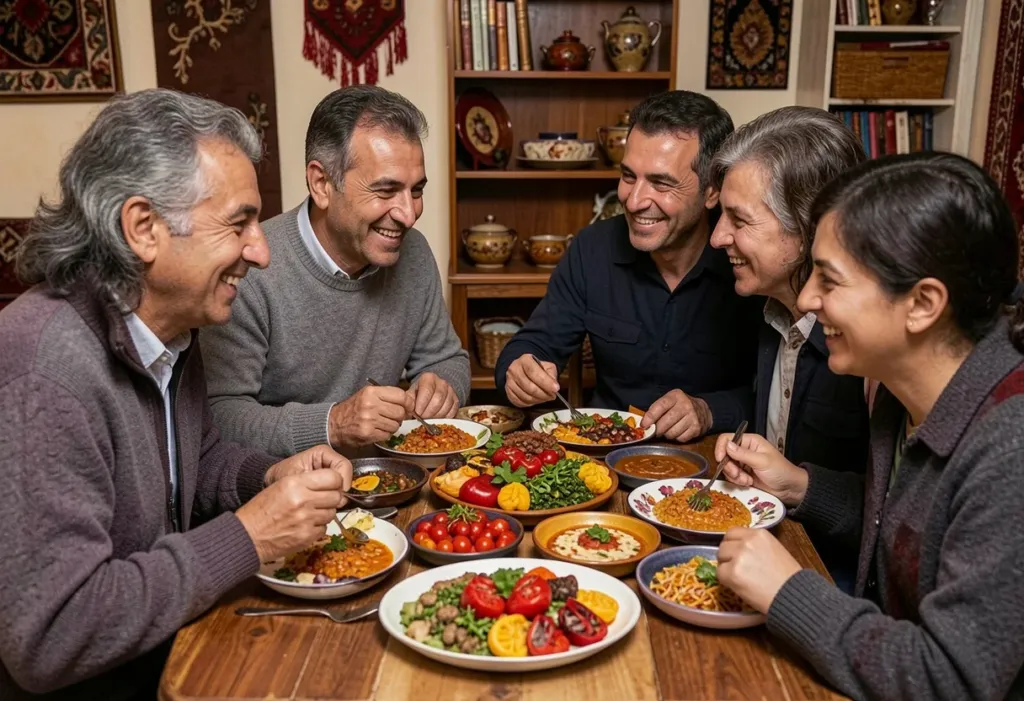
Many global cuisines encourage individual ordering, where each guest selects a single main dish and eats independently. Turkish dining takes a different approach by inviting guests to explore a variety of dishes together as part of a shared table experience. Instead of focusing on one plate per person, meals often begin with several starters and continue with a range of grilled items, vegetable dishes, breads, and sides that everyone can sample. This style creates a more interactive and social atmosphere, where guests naturally engage in conversation while passing plates and discovering new flavors.
Sharing multiple dishes also allows diners to enjoy balance across the meal. Light mezze, savory mains, and fresh salads work together to create variety without feeling overwhelming. The experience feels relaxed and unhurried, encouraging guests to stay at the table longer and enjoy both the food and the company around them.
Meals Are Designed for the Table, Not Just the Plate
Rather than focusing on single entrées, Turkish meals often begin with a selection of small shared plates that everyone at the table can enjoy together. Fresh bread, yogurt-based dips, vegetable salads, grilled appetizers, and savory pastries are typically served at the start of the meal, creating variety and setting a welcoming tone. This approach encourages guests to reach across the table, exchange impressions, and explore different flavors side by side. The shared experience naturally supports conversation and connection, making the meal feel interactive, relaxed, and memorable from the very beginning.
Why Sharing Is Central to Turkish Food Culture
Sharing reflects deeper values that shape everyday life in Turkey, where hospitality and conversation play central roles at the table. Offering food generously communicates warmth, respect, and welcome, and guests are rarely expected to eat alone or limit themselves to a single dish. Hosts traditionally prepare more than enough food so everyone feels comfortable and cared for throughout the meal.
At the same time, Turkish dining culture encourages people to slow down and enjoy meaningful conversation with family members, friends, and visitors. Meals are not rushed, and food becomes part of a broader social experience rather than the only focus. This approach helps create a relaxed atmosphere where connection and enjoyment naturally unfold around the table.
The Role of Bread in Shared Turkish Dining
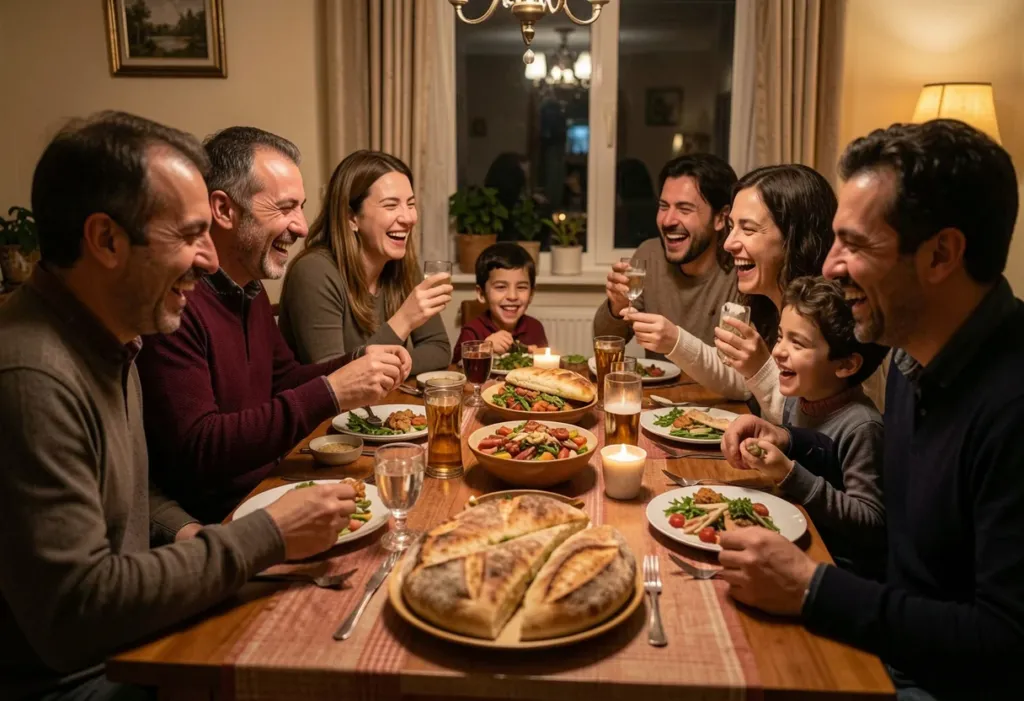
Bread appears at nearly every Turkish table and plays an essential role in supporting the shared structure of the meal. Fresh bread is used to connect multiple dishes across the table, making it easy to scoop yogurt-based dips, accompany grilled meats, complement vegetable selections, and balance rich sauces. Because bread is passed continuously from one guest to another, it naturally encourages participation and reinforces the communal rhythm of Turkish dining. At Istanbul Kitchen, bread often serves as the foundation that brings the entire table together, helping guests enjoy a variety of flavors while staying connected through the shared experience of the meal.
How Meze Introduces the Spirit of Sharing
What Is Meze?
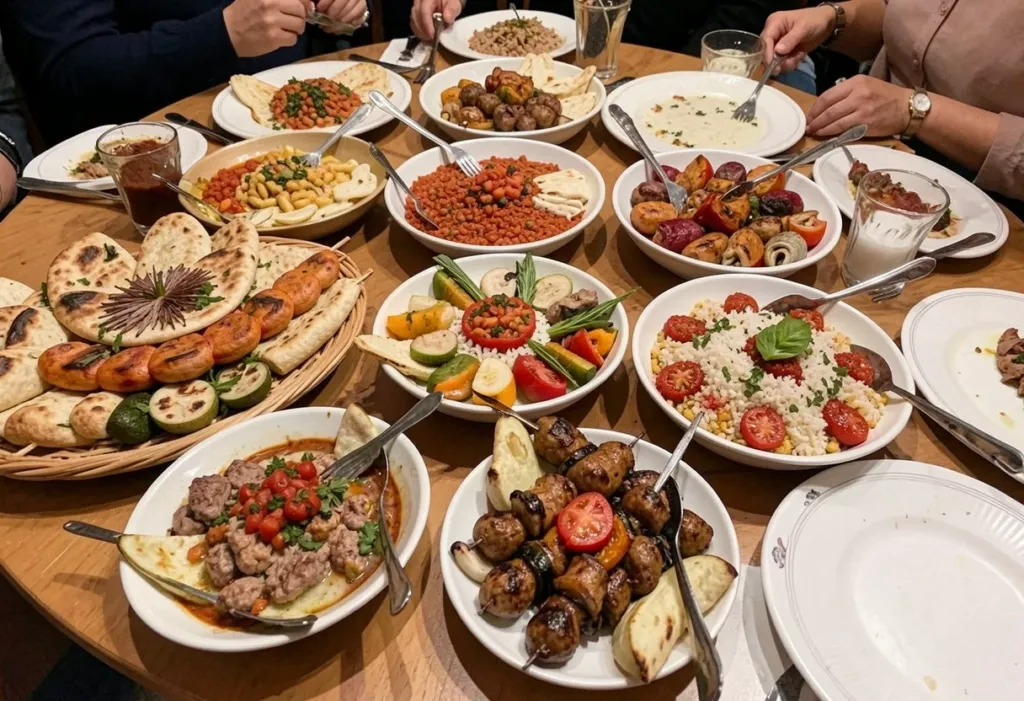
Meze refers to a selection of small plates served before the main course or alongside grilled dishes, often featuring vegetables, yogurt-based dips, herbs, olive oil dishes, and savory pastries. Rather than being presented as individual portions, meze is typically placed at the center of the table so everyone can share and sample different flavors together. This arrangement encourages conversation, creates variety early in the meal, and sets a relaxed pace that reflects the communal spirit of Turkish dining. By inviting guests to explore multiple dishes at once, meze helps establish the welcoming and interactive atmosphere that defines the Turkish table.
Why Meze Encourages Connection
Meze transforms the way guests experience a meal by encouraging interaction and shared enjoyment. It invites diners to taste multiple dishes, pass plates across the table, discuss flavors, and savor each bite at a relaxed pace. Rather than a quiet, individual dining experience, the table becomes lively and engaging, fostering conversation, connection, and a sense of community that is central to Turkish dining traditions.
Why Turkish Dining Often Includes Multiple Courses
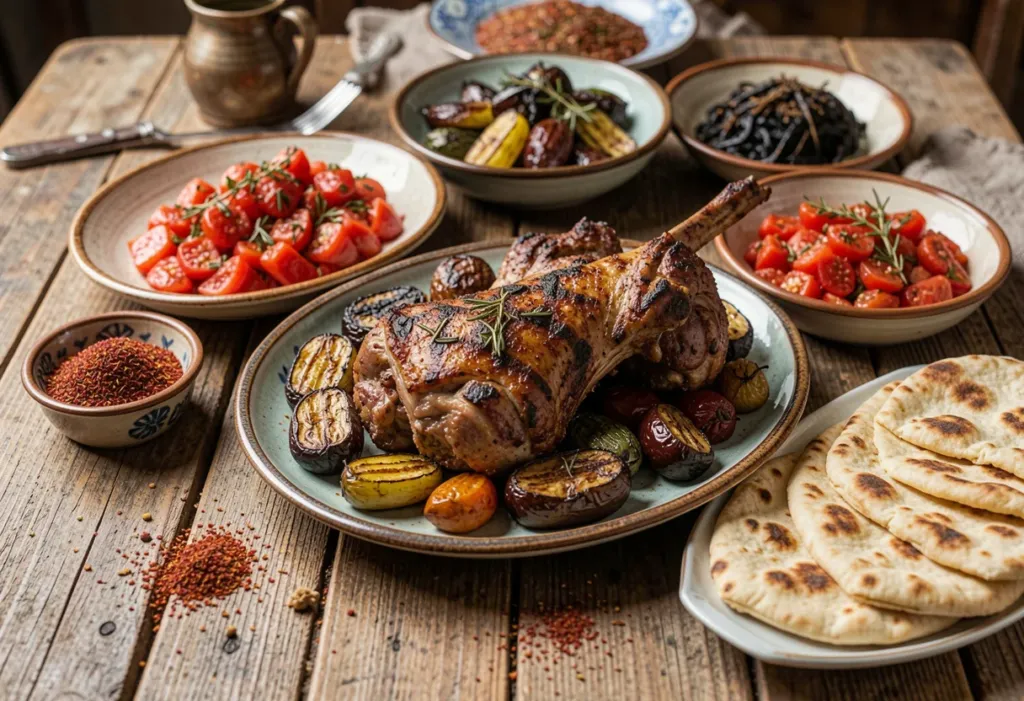
Turkish meals are designed to unfold gradually, creating a natural and enjoyable rhythm from start to finish. They typically begin with a first course such as soup or light starters that prepare the palate. Shared plates of meze follow, offering variety and encouraging conversation and interaction around the table. Main dishes, including grilled meats, rice, or vegetable specialties, arrive next, providing satisfying and balanced flavors. Meals often conclude with dessert and traditional beverages, leaving guests with a sweet finish. This pacing fosters a relaxed, engaging environment where diners can savor each course while enjoying the company of others.
The Importance of Family in Turkish Dining Traditions
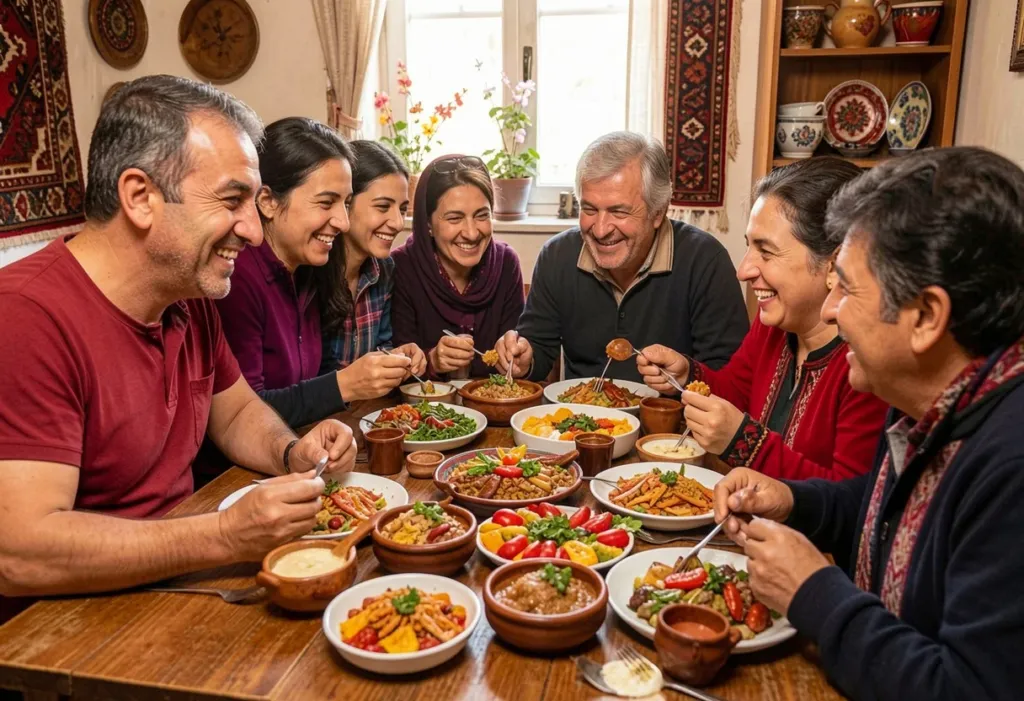
Family plays a central role in Turkish food culture, shaping not only what is served but also how meals are shared and experienced. In homes across Turkey, dining is more than nourishment, it is a way to connect generations, strengthen relationships, and pass down traditions. From grandparents teaching recipes to children reaching for a favorite dish, family involvement infuses each meal with warmth and meaning. This emphasis on togetherness ensures that every table becomes a space for conversation, shared stories, and moments of care, reflecting the deep cultural value placed on family bonds.
Meals Bring Generations Together
In many Turkish households, multiple generations gather around the same table, creating a sense of continuity and shared experience. Recipes are passed down orally and through hands-on cooking, allowing flavors and techniques to carry family history from one generation to the next. These enduring practices influence restaurant menus, where family-style service and communal dining remain central. At Istanbul Kitchen, many dishes honor this heritage, prepared using methods rooted in long-standing recipes that preserve the authentic tastes of Turkish home cooking.
How Restaurants Preserve Turkish Dining Traditions
Restaurants that honor Turkish culinary traditions create menus that encourage communal dining, prioritizing shared plates over individual orders. This approach allows guests to taste a variety of dishes together, fostering conversation, connection, and a more engaging dining experience that reflects the social values central to Turkish food culture.
Tables Are Meant for Conversation
Shared dishes in Turkish dining create opportunities for guests to explore unfamiliar flavors, recommend personal favorites, compare tastes across plates, and enjoy meals at a relaxed, comfortable pace. This communal approach encourages conversation and connection, often leading guests to linger longer, fully engaging with both the food and the shared experience.
Why Grilled Dishes Work Well for Sharing
Grilled specialties are a cornerstone of Turkish dining, offering balanced flavors that naturally encourage variety and sharing across the table. These dishes often feature seasoned meats prepared with traditional herbs and spices, accompanied by grilled vegetables, rice, and refreshing yogurt-based sauces that help balance richness with freshness. Each component is designed to complement the others, creating harmonious plates that feel satisfying without becoming heavy.
This combination allows guests to mix and match flavors throughout the meal, pairing meats with vegetables, adding yogurt sauces for contrast, and enjoying grains alongside each bite. The flexibility supports the communal style of eating that defines Turkish meals and encourages diners to explore multiple dishes together instead of focusing on a single entrée. As plates move around the table, conversation grows more natural and the dining experience becomes more interactive, making grilled specialties both a flavorful highlight and an important part of the shared tradition of Turkish hospitality.
The Role of Tea in Extending the Dining Experience
Tea holds a central role in Turkish dining culture, serving as more than just a beverage—it signals that the meal is not yet over and encourages guests to linger at the table. Sharing tea provides a natural transition from eating to conversation, allowing people to reflect on the flavors they have enjoyed while continuing relaxed, meaningful dialogue. It also reinforces the hospitality of the host, showing care and attentiveness even after the main dishes are finished. At Istanbul Kitchen, tea often concludes the dining experience, creating a warm, inviting, and traditional atmosphere that extends the shared enjoyment of the meal and strengthens the sense of connection among guests.
Why Turkish Desserts Are Meant to Be Shared
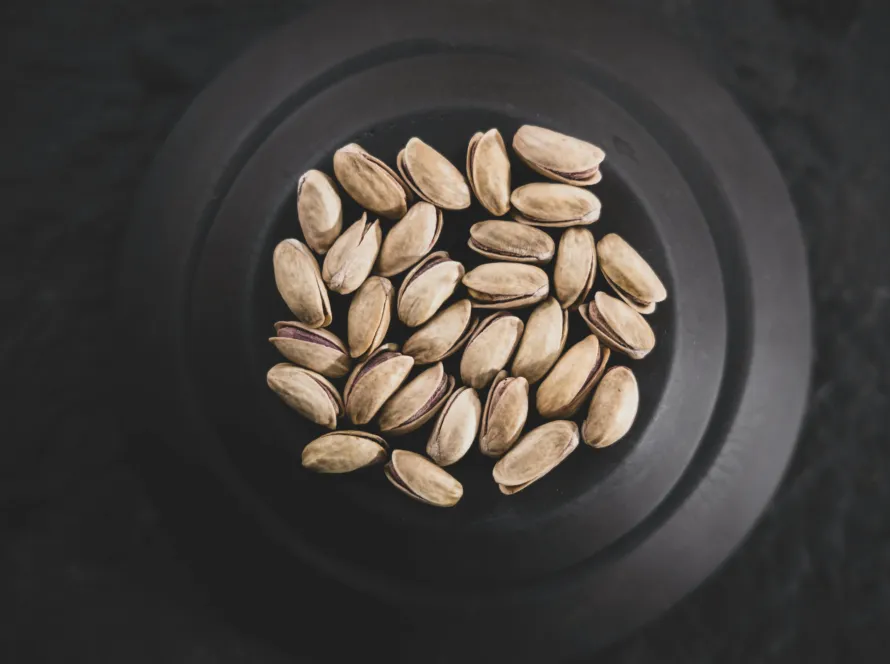
Desserts in Turkish dining extend the shared experience that begins with appetizers and main courses, keeping the table lively and inviting. Sweet selections encourage conversation and interaction as guests sample multiple treats rather than sticking to a single choice. Popular Turkish desserts for sharing include baklava, pistachio cake, milk-based puddings, and syrup-soaked pastries. Sampling together allows diners to discuss flavors, compare favorites, and enjoy the meal collectively. By keeping the table active even after the main courses have been cleared, desserts reinforce the culture of connection and hospitality that defines Turkish dining.
How Turkish Dining Strengthens Social Relationships
Sharing meals fosters deeper connections and strengthens relationships by encouraging natural conversation and interaction. When diners enjoy dishes together rather than ordering individually, they engage more with one another. Questions like “What should we try next?”, “Which dish do you recommend?”, or “Would you like another serving?” spark dialogue and create shared experiences. These small, casual exchanges build trust, familiarity, and a sense of togetherness around the table, making the meal more memorable and meaningful.
How Istanbul Kitchen Reflects Authentic Turkish Dining Culture
Restaurants that preserve traditional Turkish dining structure create an environment where sharing feels natural and expected. Menus are arranged to support a gradual progression from appetizers to main dishes and then to desserts and tea. This structure encourages guests to experience a wider range of flavors during a single visit. It also supports conversation and interaction throughout the meal. The table becomes a shared space instead of a collection of individual plates.
At Istanbul Kitchen, menus are designed to guide guests through multiple courses in a comfortable sequence. Guests often begin with appetizers and fresh bread. They continue with grilled specialties, vegetable dishes, and rice selections. They finish with traditional desserts and tea. Each stage adds variety and maintains interest at the table. The pace remains relaxed and welcoming.
Why Sharing Food Creates Stronger Dining Memories
People often remember meals not only for their flavor but also for the people they shared them with. Shared dining experiences feel more meaningful because passing dishes across the table naturally creates moments of connection. Guests recommend favorite dishes to one another, discover new tastes together, celebrate milestones, and enjoy relaxed conversation that unfolds throughout the meal. These small interactions help create a warm and welcoming atmosphere where everyone feels included in the experience. Over time, these shared moments become lasting memories that stay with guests long after the meal ends, turning dining into something more personal, social, and memorable than simply eating alone.
Experience the Joy of Shared Dining at Istanbul Kitchen
Turkish dining brings people together through conversation, hospitality, and dishes meant to be shared across the table. Each course creates opportunities to explore new flavors while spending meaningful time with family and friends in a relaxed and welcoming setting. From the first shared appetizers to the final cup of tea, the meal unfolds in a way that encourages connection, variety, and enjoyment at a comfortable pace. This style of dining turns a simple outing into a memorable social experience that guests often look forward to repeating.
If you are planning your next outing, consider visiting Istanbul Kitchen to experience this tradition firsthand. Start with several appetizers, continue with a selection of grilled specialties, and finish with dessert and tea shared around the table. A shared Turkish meal often becomes more than dinner, it becomes a moment people remember long after they leave. Dine with us now!