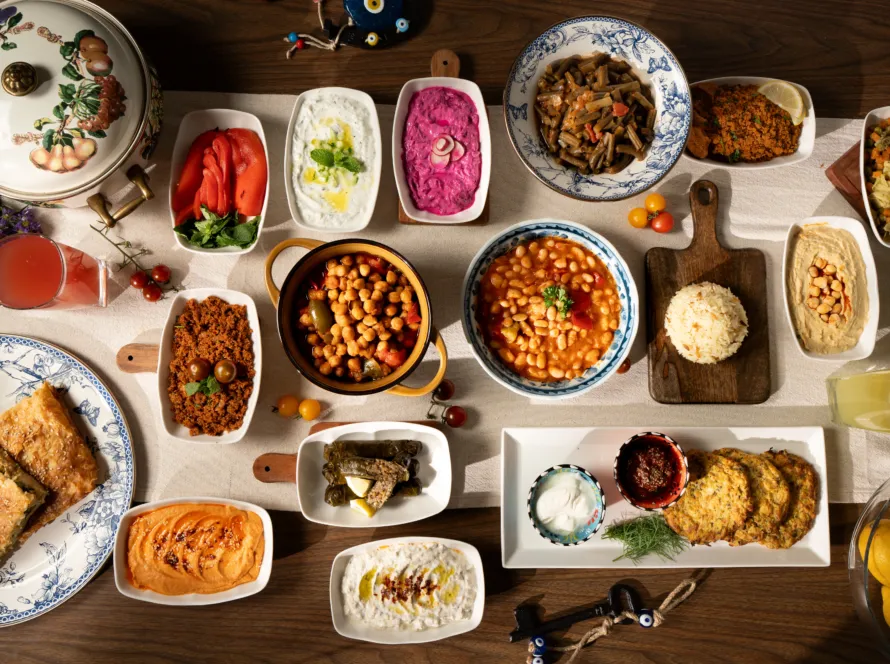
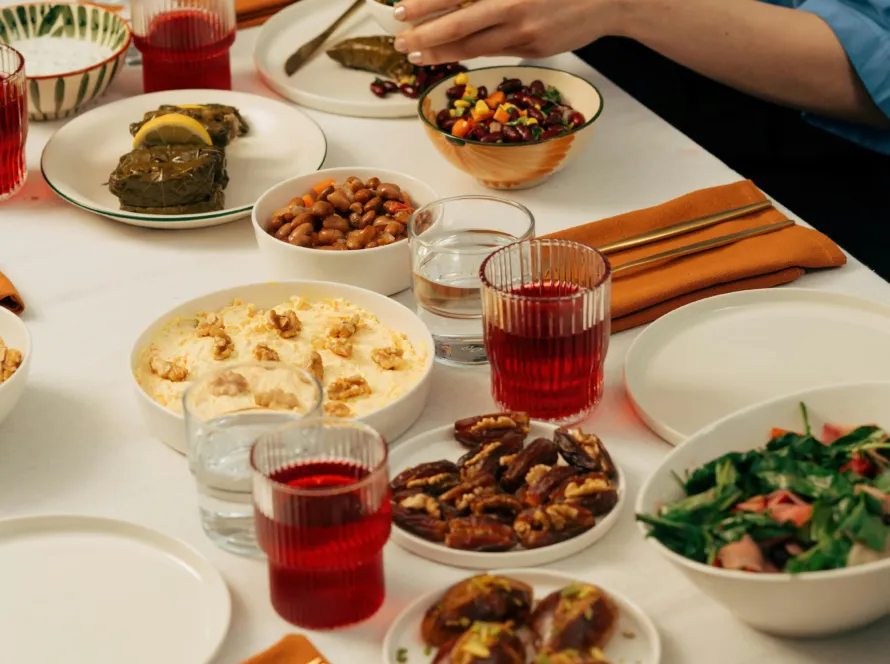
Turkish tea holds a special place in daily life and culture, extending far beyond being just a warm drink. In Turkey, tea is a symbol of hospitality, conversation, and connection. It’s served in the morning alongside a traditional Turkish breakfast, shared during friendly chats in cafés, offered to guests as a welcoming gesture, and enjoyed after meals as a comforting ritual. Whether you’re relaxing with friends or dining at Istanbul Kitchen in Tysons Corner Center, a glass of Turkish tea is almost always part of the experience.
More than refreshment, tea represents pause and presence. It brings people together at the table, slows down busy moments, and turns simple interactions into meaningful exchanges. Its iconic tulip-shaped glass, rich aroma, and deep amber color are instantly recognizable and deeply rooted in tradition.
In this article, we’ll explore why Turkish tea is enjoyed throughout the day, the cultural customs that make it essential, how it naturally complements meals, including those at Istanbul Kitchen, and how this timeless ritual continues to shape social interaction, hospitality, and everyday routines in Turkish life.
The Cultural Roots of Turkish Tea
Turkish tea, known locally as çay, is far more than a beverage, it’s a living symbol of warmth, hospitality, and community passed down through generations. In Turkey, offering tea is one of the first and most sincere gestures of welcome. When a guest enters a home, shop, or even an office, a glass of tea often follows, signaling respect, care, and an invitation to connect. This ritual isn’t limited to social visits; tea flows through business meetings, casual conversations, and quiet breaks during the day, making it deeply woven into everyday life.
Unlike cultures that reserve certain drinks for specific moments, Turkish tea is enjoyed from sunrise to late evening. It pairs naturally with breakfast spreads, refreshes in the afternoon, and gently closes the day after dinner alongside desserts like baklava or revani at places such as Istanbul Kitchen. Its presence creates pauses in busy routines, encourages conversation, and transforms ordinary moments into shared experiences, reinforcing tea’s role not just as refreshment, but as a cultural bridge between people.
Traditional Brewing and Serving Methods
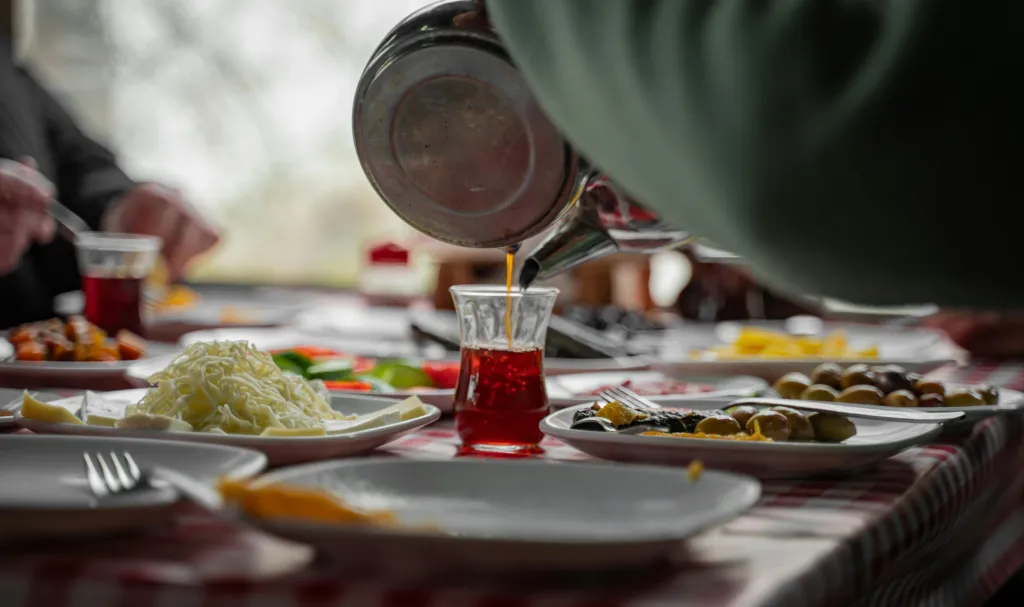
The way Turkish tea is brewed and presented is a major reason it’s enjoyed all day and everywhere. Rather than relying on a single pot, traditional preparation uses the çaydanlık, a two-tiered teapot system that creates both consistency and flexibility. The lower pot holds boiling water, while the upper pot steeps loose black tea into a rich concentrate. When serving, a small amount of the strong tea is poured into the glass and then diluted with hot water from the bottom pot. This allows each person to customize their cup, bold and energizing in the morning, lighter and smoother in the afternoon, or gentle after meals, making Turkish tea perfectly suited for every part of the day instead of a single “tea time.”
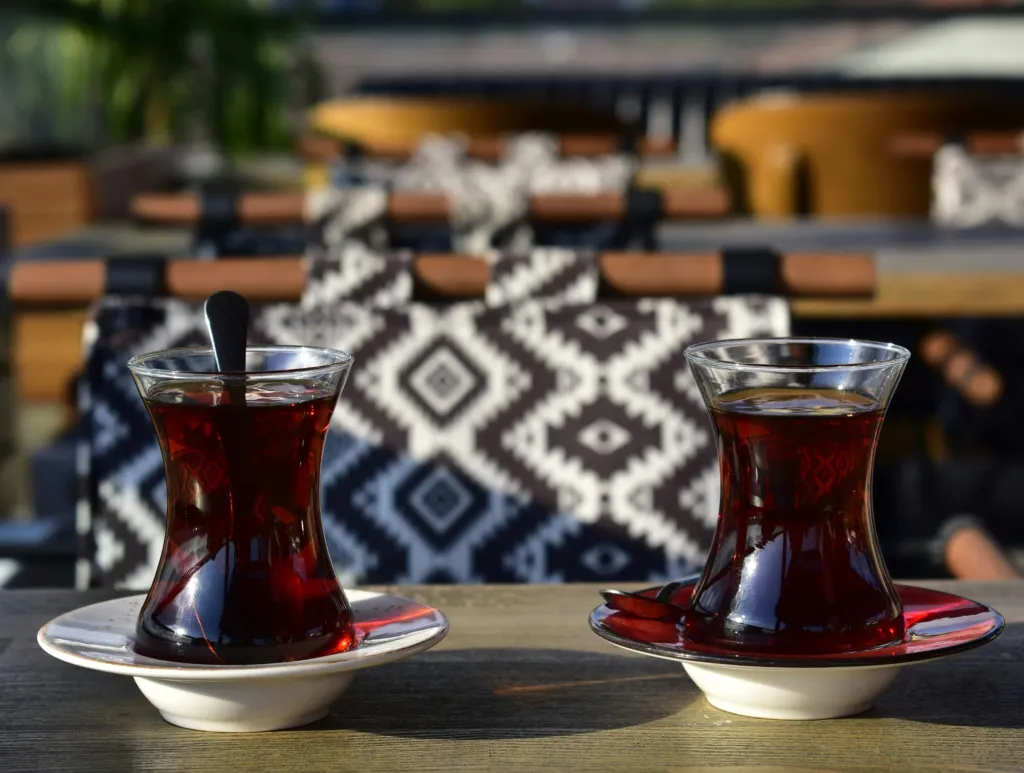
Equally important is how the tea is served. Turkish tea is poured into tulip-shaped glasses, known as ince belli, designed for both beauty and function. Their narrow waist keeps the tea hot while protecting fingers, and the clear glass highlights the tea’s deep ruby color. The shape also helps release aroma as you sip, engaging more than just taste. This presentation turns even a short tea break into a sensory ritual, especially when enjoyed alongside savory pastries, mezze, or desserts. Together, the çaydanlık and the iconic glass transform Turkish tea from a simple drink into a daily cultural experience that feels intentional, comforting, and endlessly repeatable.
Why Turkish Tea Is Served All Day
Turkish tea’s all-day presence is deeply rooted in culture, practicality, and its role in social life. More than a beverage, tea functions as a daily ritual that brings people together, offering a natural pause in busy routines and a reason to connect. In homes, cafés, and workplaces across Turkey, people gather over small glasses of tea to talk, reflect, and build relationships. There’s no formal schedule for it, tea flows easily from morning meetups to afternoon breaks and into relaxed evening conversations, making it part of the rhythm of everyday life rather than a special occasion.
Its constant presence is also supported by affordability and accessibility. Turkey produces large amounts of tea, especially in the Black Sea region, which keeps it inexpensive and widely available. Because it’s easy to prepare and serve, tea becomes the default drink offered to guests, coworkers, and diners, including in welcoming spaces like Istanbul Kitchen.
Beyond social and practical reasons, tea also works beautifully as a complement to meals. Its gentle bitterness and warmth balance rich or savory foods, refresh the palate, and slow the pace of dining. Items such as simit with cheese, flaky börek, or syrupy desserts pair naturally with tea, turning eating into a more relaxed, enjoyable experience.
Together, these cultural, economic, and culinary roles explain why Turkish tea isn’t limited to one moment of the day, it’s woven into nearly every part of daily life.
Social and Personal Significance
Beyond its taste, Turkish tea carries deep meaning in daily life and social rituals, acting as a symbol of welcome, respect, and togetherness. Tea as hospitality is one of the most recognizable customs in Turkey: when a visitor arrives, pouring a glass of tea is often the very first gesture offered. Accepting it signals openness and connection, while refusing a cup can feel impolite because tea represents goodwill and care. Important conversations, family visits, and even business discussions commonly unfold over a shared pot, allowing people to relax and build trust naturally.
At the same time, tea is woven into everyday life, not limited to a specific hour or occasion. From early mornings to late evenings, tea accompanies routines at home and at work, where kettles are frequently kept warm to ensure a steady supply throughout the day. This constant presence turns tea into a comforting rhythm rather than a special event. The same tradition carries into dining spaces like Istanbul Kitchen, where Turkish tea is available alongside meals, reinforcing the idea that tea is not just something you drink, but something you share, an everyday ritual that connects people, slows moments, and turns simple interactions into meaningful experiences.
Health Perspectives and Preferences
Tea also supports comfort and wellbeing beyond its social meaning, making it a daily staple for both body and mind. Its calming and hydrating qualities turn each cup into a small pause in the day, offering warmth that helps ease stress and encourage relaxation. In many Turkish homes, brewing tea signals a moment to slow down, whether after a long morning, during an afternoon break, or in the evening after a meal. The simple act of holding a warm glass can feel grounding, and because tea is lighter than coffee, it allows people to stay refreshed without overwhelming the system.
Alongside this, cultural preferences shape how tea is enjoyed. Most Turks favor strong, black tea with a deep red color and bold aroma, often customized with more or less water depending on taste. While modern options like iced tea and flavored blends have become more common, traditional çay still dominates across generations. Its consistency, familiarity, and gentle stimulation make it the beverage people return to throughout the day, reinforcing why Turkish tea remains both a cultural comfort and a practical choice for everyday wellbeing.
Turkish Tea in Everyday Settings
Tea is woven into daily routines in ways that go far beyond simple refreshment, beginning first thing in the morning and continuing through social life. At breakfast, Turkish tea is essential, poured alongside spreads of simit, cheeses, olives, eggs, and fresh vegetables. Its warm, slightly bitter profile balances rich and salty foods, helping awaken the palate and set the tone for the day. This tradition carries into restaurants such as Istanbul Kitchen, where tea naturally complements a Turkish breakfast platter and creates a relaxed, authentic start to the meal.
Tea also fuels conversation and connection. In homes, tea houses, and cafés, people linger over small tulip glasses for hours, using tea as an invitation to talk, reflect, and enjoy each other’s company. Friends meet, elders exchange stories, and even casual acquaintances bond over shared cups. Rather than rushing, Turkish tea culture encourages slowing down, making space for dialogue and community. In this way, tea becomes not just a drink, but a social rhythm that turns everyday moments into meaningful interactions.
Turkish Tea and Modern Life
Even as global drink trends continue to shift, Turkish tea holds its place as a daily essential rather than a passing preference. Tradition and modern habits blend seamlessly, with contemporary cafés and restaurants sometimes offering iced or flavored variations, yet the classic hot cup of Turkish çay remains the most trusted choice for everyday enjoyment. It fits just as naturally into a quick morning stop as it does into a long, relaxed sit-down meal, proving its flexibility across lifestyles and generations.
Turkish tea is also a constant in a changing world. Whether paired with a savory lunch, shared during conversation, or enjoyed after dessert like baklava or pistachio cake, tea continues to connect moments throughout the day with warmth and familiarity. It bridges past and present, meals and memories, offering comfort that feels timeless no matter how dining habits evolve.
In Conclusion
Turkish tea is far more than a simple beverage, it’s a cultural anchor that weaves together hospitality, conversation, and daily life from morning until night. From breakfast tables to after-dinner desserts, tea marks moments of connection and pause. At Istanbul Kitchen, this tradition continues as tea is served alongside flavorful meals, sweet pastries, and shared experiences, inviting guests to slow down, connect, and enjoy Turkish culture one warm, welcoming cup at a time.
Next time you visit Istanbul Kitchen, don’t just focus on the food, pause to enjoy a glass of authentic Turkish tea alongside your meal. Relish its comforting warmth, rich amber hue, and the subtle depth of flavor that has been cherished for generations. Invite friends or family to share the experience, turning each cup into a moment of connection and conversation. By embracing this simple yet profound tradition, you transform an ordinary meal into a meaningful, memorable occasion that celebrates both flavor and culture.