Baklava stands as one of the most celebrated desserts in Turkish cuisine. At Istanbul Kitchen, baklava holds a place of pride on the menu. Many diners enjoy traditional warm baklava. A modern variation, cold baklava, has also gained popularity and attracts curious dessert lovers. Comparing these two versions highlights the craftsmanship, flavor, and textures that elevate baklava beyond a simple sweet treat. It offers a complete culinary experience that engages the senses.
The dessert features multiple layers of crispy phyllo dough paired with rich nut fillings and delicately balanced syrup. These elements combine to create a harmonious taste and texture. At Istanbul Kitchen, both traditional and cold baklava are made with premium ingredients and careful attention to every step of preparation. Every bite delivers authentic flavor and a satisfying balance of sweetness and crunch. Exploring the differences between warm and cold baklava shows why this dessert continues to captivate locals and visitors alike. It remains a symbol of Turkish dessert artistry and culinary tradition.
The Origins of Traditional Baklava
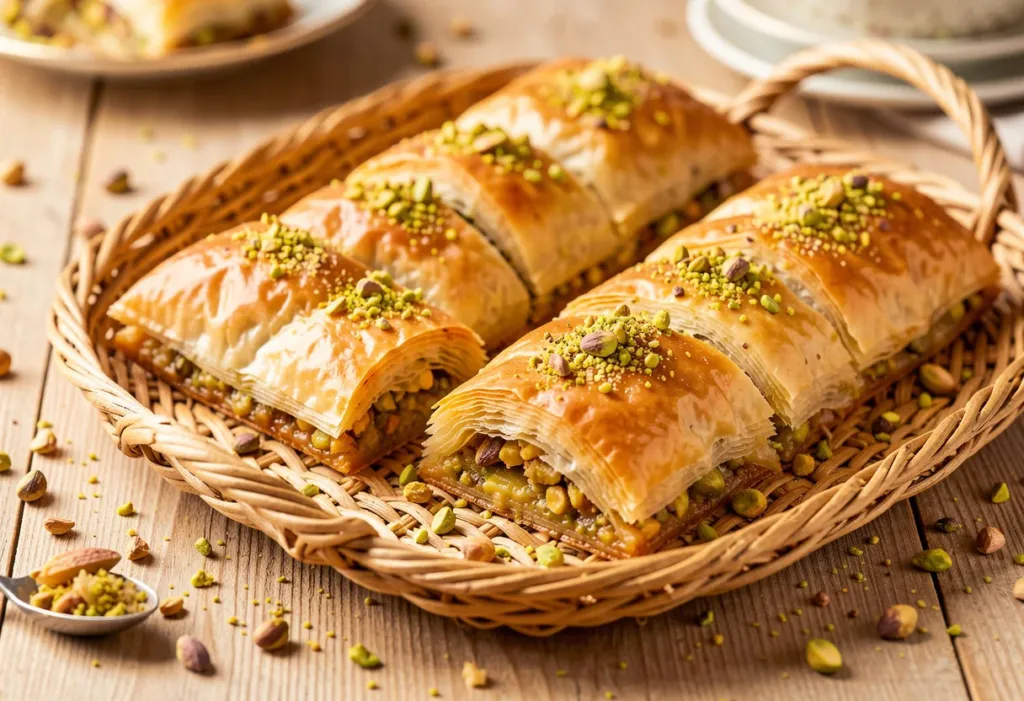
Baklava holds a prominent place in Turkish culinary history. The dessert developed during the Ottoman Empire and features thin layers of phyllo dough, finely chopped nuts, rich butter, and sweet syrup. Each layer contributes to a unique texture and balanced flavor that distinguishes baklava from other desserts.
In Turkey, baklava carries strong cultural meaning. It symbolizes hospitality, celebration, and tradition. Families serve baklava during holidays, special occasions, and family gatherings. The dessert represents togetherness, generosity, and shared enjoyment. Its preparation and presentation reflect care and artistry. Baklava remains a beloved treat that connects people to Turkish heritage and culinary tradition.
Traditional Baklava: What to Expect
Traditional baklava uses simple yet carefully selected ingredients. It consists of layers of thin phyllo dough brushed with butter, finely chopped nuts such as pistachios, walnuts, or almonds, and a sweet syrup made from sugar, water, and lemon. Each component contributes to the dessert’s distinct texture and flavor. The preparation requires precise layering of the phyllo, careful baking to achieve golden, crisp edges, and pouring syrup while the baklava is warm to create a moist, tender interior.
The flavor profile balances sweetness with richness. The edges remain crisp while the inside stays soft. Nut fillings provide a fragrant, earthy note that complements the buttery layers. The warm syrup seeps into the pastry, creating a luscious, harmonious texture. This combination of crispness, softness, and nutty sweetness defines the hallmark taste of authentic baklava and sets it apart as a celebrated Turkish dessert.
Cold Baklava: A Modern Twist
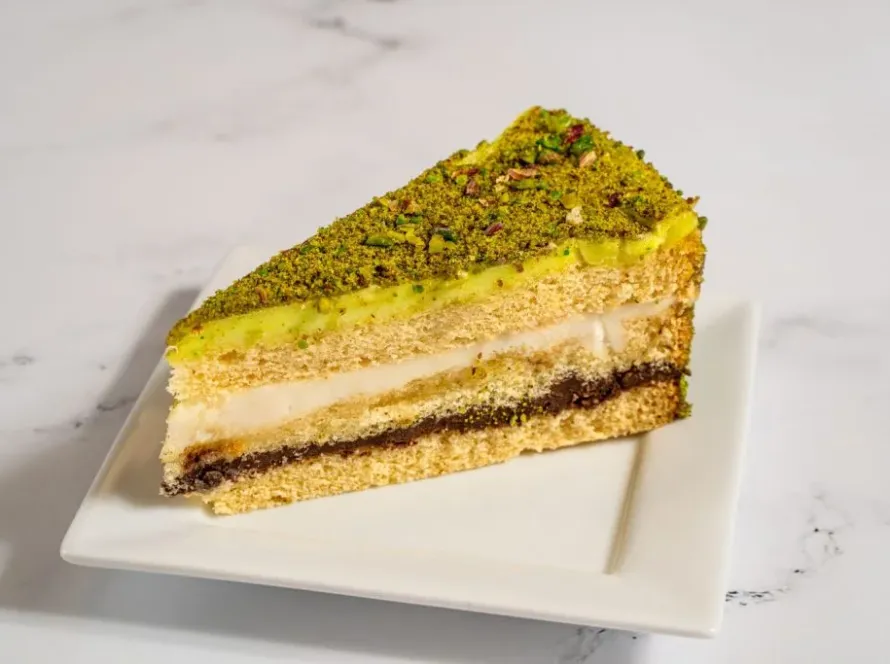
Cold baklava offers a fresh twist on traditional baklava while keeping the essence of the classic dessert. It is chilled or refrigerated before serving, uses less syrup, and often includes layers of cream or custard to create a lighter texture. The cold preparation produces a firmer, denser bite and allows the nutty layers to stand out in a subtle, refreshing way.
The flavor and texture of cold baklava feel lighter on the palate compared to the warm version. The sweetness is more restrained, letting the natural flavors of the nuts and phyllo dough shine. Layers remain distinct without becoming syrupy, creating a clean, satisfying taste. This variation appeals to diners seeking a lighter dessert or enjoying a refreshing treat during warmer months.
How Istanbul Kitchen Crafts Both Versions
At Istanbul Kitchen, both traditional and cold baklava feature premium ingredients. High-quality pistachios and walnuts, fresh phyllo dough, and rich butter ensure authentic flavor and texture. Every element is carefully selected to enhance the dessert’s taste and consistency.
Technique plays a central role in achieving perfection. Traditional baklava bakes to a golden crisp and receives a syrup soak just before serving. Cold baklava layers are crafted with precision, sometimes incorporating custard or light cream, then chilled to set for a firm, refreshing bite.
Presentation enhances the dining experience. Both versions arrive elegantly plated, often garnished with crushed pistachios or a light drizzle of syrup. Visual appeal complements the flavor and invites diners to savor each bite, making baklava not only a dessert but a celebrated culinary experience.
Comparing Traditional and Cold Baklava Side by Side
Baklava varies in sweetness, texture, and aroma between traditional and cold versions. Traditional baklava offers a rich sweetness, with syrup soaking every layer for a deeply indulgent taste. Cold baklava delivers milder sweetness, balanced by cream or chilled layers, creating a lighter, more refreshing experience.
The texture differs as well. Traditional baklava combines crisp edges with soft, syrup-soaked interiors and a slightly sticky finish. Cold baklava features firm, structured layers, complemented by the smooth creaminess of chilled additions.
Aroma also sets the two apart. Traditional baklava gives off a warm, buttery, nutty fragrance that fills the senses. Cold baklava presents a more subtle aroma, enhanced by the fresh scent of pistachios and light cream. These contrasts allow diners to enjoy distinct experiences while appreciating the artistry of both styles.
When to Choose Each Version
Traditional baklava is perfect for diners seeking an authentic Turkish dessert experience. It pairs beautifully with tea or coffee, offering rich sweetness that fills the palate. Warm, indulgent textures combine crisp phyllo layers with soft, syrup-soaked interiors and nutty richness. Each bite delivers a comforting and satisfying balance of flavor and texture, making it ideal for those who enjoy classic, decadent desserts.
Cold baklava provides a lighter alternative while maintaining the essence of Turkish flavor. Its chilled layers, sometimes enhanced with cream or custard, offer subtle sweetness that does not overwhelm the palate. The firmer texture highlights the distinct layers of phyllo and nuts. Cold baklava is ideal for warmer weather or for sharing with guests who prefer a refreshing, less intense dessert. Both versions celebrate the artistry of baklava while catering to different tastes and occasions.
Pairing Baklava With Beverages
Turkish Tea
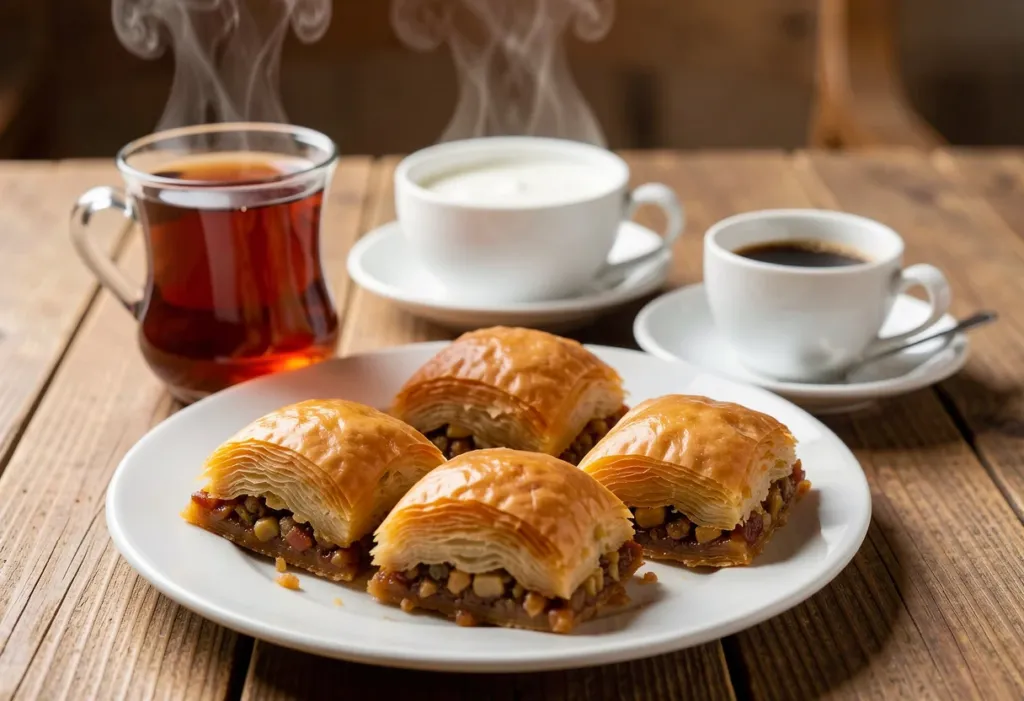
Strong black tea complements both traditional and cold baklava perfectly. Its bold, robust flavor cuts through the richness of the buttery phyllo and sweet syrup, balancing the dessert’s indulgence. The slight astringency of the tea highlights the nutty notes of pistachios, walnuts, or almonds, enhancing their aroma and taste. Sipping black tea alongside baklava also refreshes the palate between bites, allowing each piece to be savored fully. This pairing creates a harmonious combination, elevating the overall dessert experience and making it a classic choice for enjoying Turkish sweets.
Turkish Coffee
Bold, concentrated coffee pairs exceptionally well with both traditional and cold baklava. The rich, intense flavor of the coffee balances the syrupy sweetness of traditional baklava, cutting through the buttery phyllo and highlighting the nutty fillings. With cold baklava, the coffee creates a pleasing contrast to the chilled layers, bringing warmth and depth that accentuates the cream or custard while refreshing the palate. This pairing enhances the flavors of both desserts, making each bite more satisfying and offering a harmonious balance between sweetness, texture, and richness. Coffee and baklava together create a classic, indulgent experience that delights the senses.
Fresh Fruit or Yogurt
Some guests prefer a lighter accompaniment for cold baklava to enhance its refreshing qualities. Fresh berries, such as raspberries, strawberries, or blueberries, add a natural tartness that balances the subtle sweetness of the chilled dessert. A dollop of creamy yogurt introduces a mild tang and smooth texture, complementing the firm layers and nutty flavors. These additions brighten the dessert, create a more nuanced flavor profile, and provide a refreshing contrast to the richness of the phyllo and nuts. Pairing cold baklava with fresh, light elements elevates the experience, making it a versatile option for warmer weather or for diners seeking a more delicate, balanced treat.
Health and Portion Considerations
Both traditional and cold baklava are indulgent desserts best enjoyed in moderation. Serving small portions allows diners to savor the complex flavors and textures without overwhelming the palate. Moderation also makes it easier to pair the dessert with beverages like tea or coffee, enhancing the overall experience.
Baklava offers several nutrient highlights. Nuts provide healthy fats, protein, and a satisfying crunch that adds depth to every bite. Syrup contributes energy and natural sweetness, enriching the dessert’s flavor. In cold baklava, cream or custard layers add richness while balancing the sweetness, creating a lighter, more refreshing alternative to the fully syrup-soaked traditional version. Together, these elements deliver a dessert that is both enjoyable and thoughtfully composed.
Customer Favorites at Istanbul Kitchen
Guests who grew up with Turkish desserts often favor traditional baklava. The warm, syrup-soaked layers evoke nostalgia and highlight the skill and craftsmanship involved in its preparation. Its rich, indulgent flavors appeal to those who appreciate classic, authentic desserts.
Cold baklava attracts newer diners or anyone seeking a lighter alternative. The subtle sweetness, firm phyllo layers, and creamy additions create a refreshing yet indulgent experience. This version appeals to diners who enjoy a modern twist on tradition, offering a dessert that feels lighter on the palate while still delivering the signature flavors of Turkish baklava.
The Social Experience of Baklava
Baklava is a dessert meant to be shared among friends and family. At Istanbul Kitchen, ordering a tray of baklava encourages conversation, laughter, and communal enjoyment. Its rich flavors and elegant presentation make it a centerpiece for social dining, bringing people together over a shared culinary experience.
Baklava is perfect for celebrations of all kinds. Whether it is a birthday, special occasion, or casual meal, the dessert adds a touch of sophistication and indulgence. Its presence elevates any gathering, making moments feel memorable while highlighting the artistry and tradition of Turkish sweets.
Tips for First-Time Diners
Try both traditional and cold baklava to understand the contrast
Sampling both versions allows diners to experience the full range of textures, sweetness, and flavors. Traditional baklava offers warm, syrup-soaked layers, while cold baklava provides a lighter, firmer, and creamier alternative. Tasting both highlights the artistry and variation in Turkish dessert craftsmanship.
Pair with Turkish tea for a balanced flavor experience
Strong, slightly astringent Turkish tea cuts through the richness of baklava and enhances the nutty flavors. The warmth of the tea complements traditional baklava, while its subtle notes refresh the palate when enjoying cold baklava. This pairing creates a harmonious balance that elevates each bite.
Share with friends or family to savor multiple bites
Baklava is best enjoyed communally. Sharing a tray allows everyone to taste both traditional and cold versions, experience different textures, and enjoy conversation alongside the dessert. Communal dining makes the experience more social, memorable, and enjoyable.
Ask staff about seasonal variations or special preparations
Istanbul Kitchen often offers seasonal baklava variations or unique preparations that highlight fresh ingredients or creative twists. Asking the staff for recommendations can introduce diners to new flavors, limited-time offerings, or specialty techniques, adding an exciting dimension to the baklava experience.
Why Baklava Continues to Captivate
Baklava’s enduring popularity stems from a combination of flavor, texture, and cultural significance. Its layered textures provide a delightful contrast between the crisp, buttery phyllo and the tender, nut-filled interior. The sweetness is carefully balanced, enhancing the richness of the nuts without overpowering the palate. Nutty flavors, drawn from pistachios, walnuts, or almonds, add depth, aroma, and a satisfying complexity to each bite.
Beyond taste, baklava carries deep cultural meaning, symbolizing tradition, hospitality, and celebration in Turkish cuisine. Both traditional and cold baklava highlight these qualities in unique ways. Traditional baklava delivers warm, syrup-soaked indulgence, while cold baklava offers a lighter, firmer, and refreshing variation. Together, they allow diners to experience the artistry, precision, and heritage of Turkish desserts, making every serving a memorable culinary experience.
Visiting Istanbul Kitchen in Tysons Corner
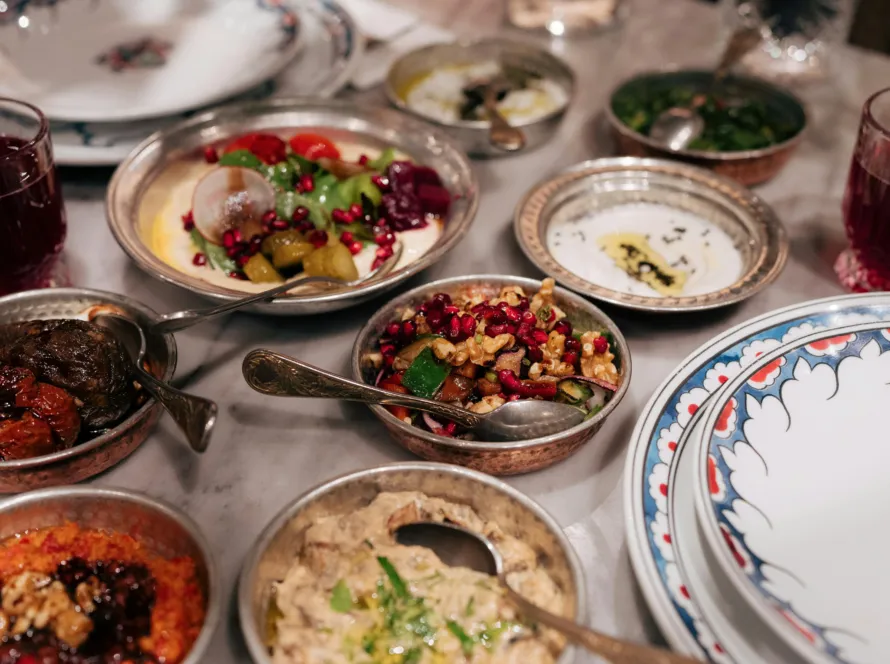
Istanbul Kitchen brings the rich flavors of authentic Turkish desserts to Northern Virginia. Guests can savor both traditional, syrup-soaked baklava and chilled, creamy cold baklava, experiencing the distinct textures and balanced sweetness of each version. Beyond desserts, the restaurant offers a full menu of kebabs, fresh salads, and flavorful meze, showcasing the depth and variety of Turkish cuisine. Every dish is prepared with meticulous care, using high-quality ingredients and techniques passed down through generations. This dedication ensures that every bite reflects authentic flavors, artistry, and the cultural heritage of Turkey, providing diners with a truly memorable culinary experience.
In Conclusion
Whether diners choose traditional baklava with its warm, syrup-soaked layers or cold baklava with its light, refreshing texture, Istanbul Kitchen delivers an authentic Turkish dessert experience. Each version highlights premium ingredients, precise technique, and a harmonious balance of flavors that delights the palate and keeps guests returning for more.
Baklava goes beyond being a simple sweet treat. It embodies Turkish hospitality, celebrates culinary tradition, and reflects the artistry and care involved in creating each layered, nut-filled pastry. Every bite offers a connection to Turkey’s rich dessert heritage, making the experience as meaningful as it is delicious.
Curious which baklava will become your favorite? Visit Istanbul Kitchen in Tysons Corner and experience both traditional and cold baklava for yourself. Share a tray with friends or family, savor each bite alongside Turkish tea or bold coffee, and enjoy an authentic dessert experience that captures the essence of Turkish cuisine. Every serving highlights quality ingredients, careful preparation, and the rich tradition of Turkish sweets. Reserve your table today and discover the baklava style that delights your palate the most.