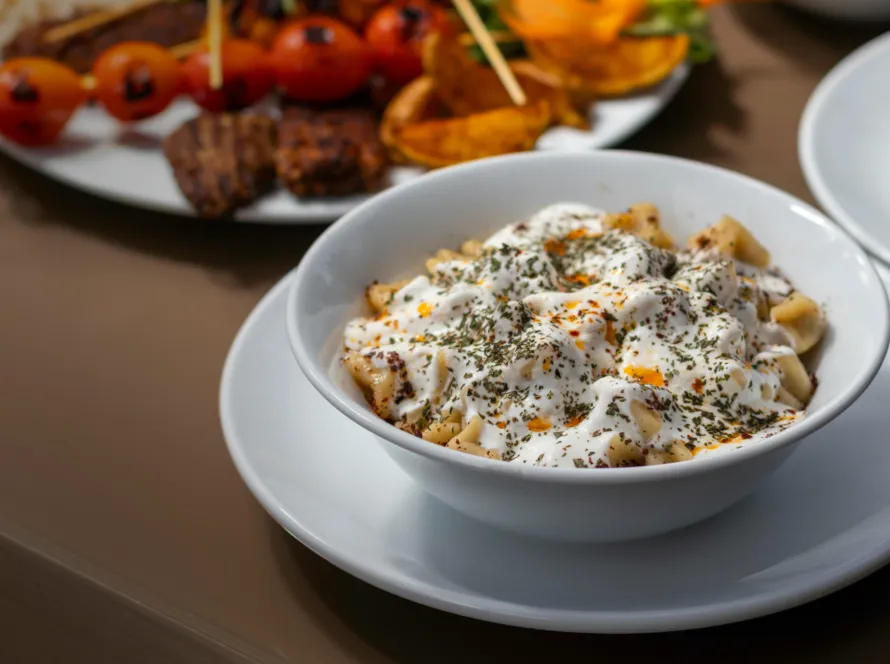
Ottoman sherbet represents one of the most meaningful beverages in Turkish culinary heritage. It offers refreshment and preserves a strong connection to centuries of tradition. Long before modern soft drinks appeared, this fruit-based drink played an important role in celebrations, hospitality, and daily life across the Ottoman Empire. Families served it to guests as a sign of respect and generosity. Today, many diners continue to enjoy Ottoman sherbet with savory dishes, desserts, and shared meals in restaurants that highlight authentic Turkish flavors, including Istanbul Kitchen. The drink remains a recognizable symbol of cultural identity and traditional hospitality.
Ottoman sherbet differs from typical sugary beverages. It balances natural sweetness with herbal infusions and fruit aromas. These flavors complement meals instead of overpowering them. Each glass reflects careful preparation and respect for seasonal ingredients. The drink also represents traditions shaped by geography, climate, and community practices. Learning about Ottoman sherbet helps diners appreciate both its flavor and its cultural importance.
This blog explains where Ottoman sherbet comes from and how it is prepared. It also explores why the drink holds cultural value across generations. Readers will learn how to recognize its ingredients and serving styles. The guide also shares practical tips for enjoying Ottoman sherbet during a visit to Istanbul Kitchen. Together, these insights help create a deeper appreciation for one of the most distinctive beverages in Turkish cuisine.
What Is Ottoman Sherbet?
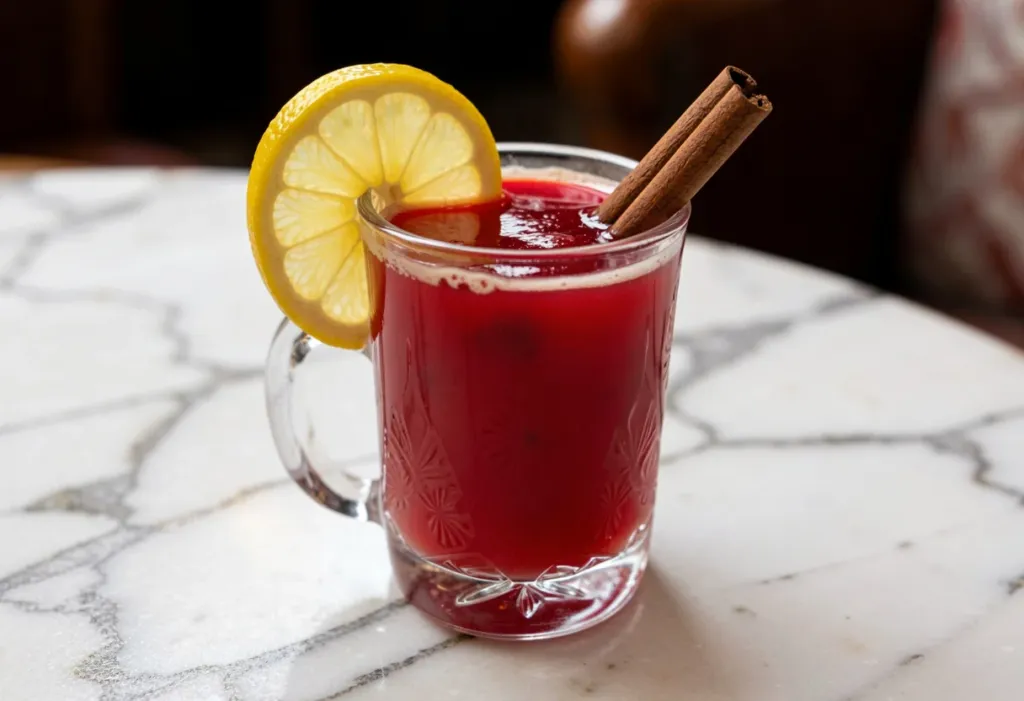
Ottoman sherbet is a traditional Turkish beverage prepared with fruits, flowers, herbs, and spices. It uses natural infusion methods that preserve delicate aromas and highlight seasonal ingredients. These preparation techniques create a drink that feels light, refreshing, and balanced. Ottoman sherbet differs from modern syrups and artificial beverages because it avoids heavy processing and excessive sweetness. The flavor remains smooth and layered, which allows it to pair well with both savory dishes and desserts. Each recipe reflects regional traditions and careful ingredient selection. This approach gives Ottoman sherbet its distinctive taste and lasting cultural importance in Turkish cuisine.
A Drink Rooted in Palace Cuisine
Sherbet once appeared in Ottoman palaces as a symbol of refinement and hospitality. Court hosts served it during royal ceremonies, diplomatic meetings, and seasonal celebrations. Palace chefs selected fruits, flowers, herbs, and spices with great care. They focused on balance, freshness, and presentation. The drink reflected the elegance and discipline of palace dining traditions. It also showed the importance of thoughtful preparation in formal settings.
Sherbet carried meaning beyond simple refreshment. Hosts offered it as a gesture of respect and sincere welcome. The act of serving sherbet signaled honor toward guests and visitors. Presentation mattered as much as flavor in these moments. Decorative serving vessels and careful timing strengthened its ceremonial role. This tradition helped establish sherbet as a lasting symbol of hospitality in Turkish culinary culture.
The Historical Origins of Ottoman Sherbet

Sherbet has a history that spans hundreds of years across Anatolia, Persia, and the broader Middle East. Early communities prepared fruit- and herb-based drinks for refreshment and hospitality. Ottoman culinary traditions later refined these recipes into distinctive beverages associated with elegance and balance. Careful ingredient selection and preparation methods shaped sherbet into a recognizable cultural symbol across the empire. Over time, it became part of both formal traditions and everyday routines.
Sherbet was not limited to palace settings or elite gatherings. Families served it to visitors entering the home as a gesture of welcome. Hosts often presented it after meals as a refreshing finish. Communities shared sherbet during religious celebrations, weddings, and engagements. Seasonal ingredients shaped its flavor throughout the year and reflected local harvest cycles. These traditions helped establish sherbet as a lasting part of daily life and social connection across Ottoman society.
Traditional Ingredients Used in Ottoman Sherbet
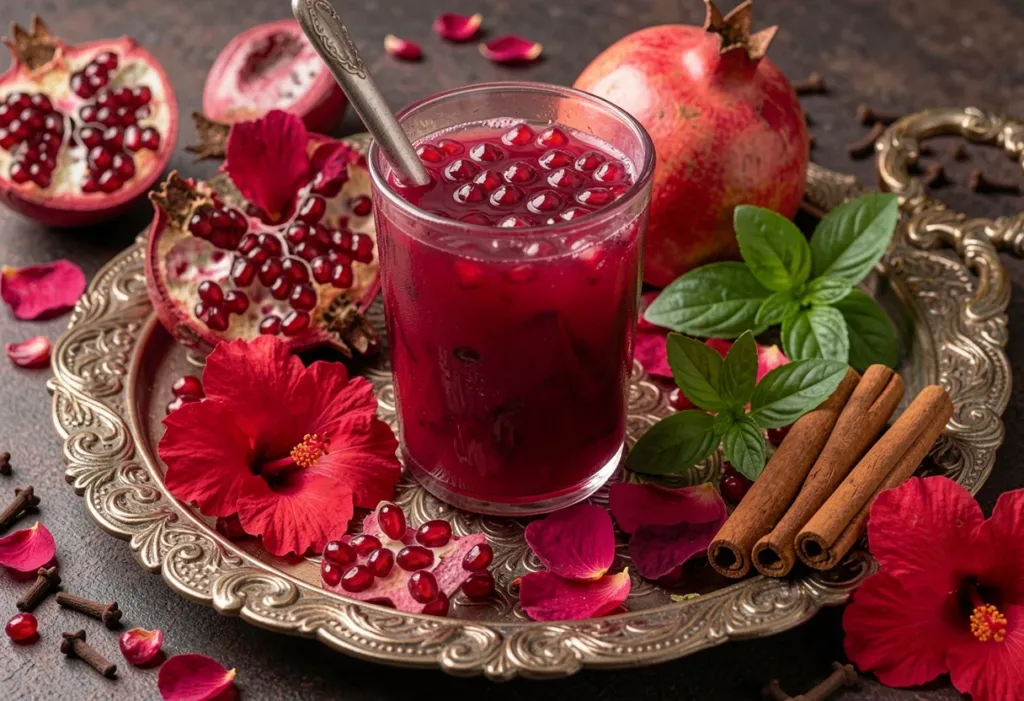
Ottoman sherbet recipes vary widely depending on region and season. However, most versions rely on natural flavor sources rather than artificial sweeteners.
Common ingredients include:
| Fruits | Flowers | Herbs and Spices |
| Pomegranate Cherry Apricot Grape Quince | Rose petals Hibiscus Violet blossoms | Mint Cinnamon Clove Basil Ginger |
Why Ottoman Sherbet Was Important in the Ottoman Empire
Ottoman sherbet carried meaning beyond simple refreshment. It reflected social values connected to generosity, respect, and thoughtful hospitality. Hosts served sherbet to guests as a sign of appreciation and welcome. The act of offering a carefully prepared drink created a moment of connection between the host and the visitor. Presentation and timing also mattered during service. Sherbet became a recognizable gesture of sincerity in homes, gatherings, and celebrations. Even today, many restaurants and families continue this tradition by serving traditional beverages alongside meals as part of a welcoming dining experience.
Sherbet also followed seasonal traditions throughout the year. Ottoman kitchens adjusted recipes to match weather conditions and available ingredients. Cooling fruit-based sherbets provided refreshment during warm summer months. Spiced versions offered warmth and comfort during colder seasons. Floral blends appeared often in spring and reflected the freshness of the season. Seasonal preparation helped maintain balance and enjoyment throughout the year. This adaptability strengthened sherbet’s role as both a practical and meaningful part of everyday life and cultural dining traditions.
How Ottoman Sherbet Differs From Modern Sweet Drinks
Many people assume sherbet resembles syrup-based drinks. Traditional preparation methods create a lighter and more balanced beverage. Ottoman sherbet uses natural infusion techniques that preserve aroma and flavor clarity. The drink avoids heavy processing and strong artificial sweetness. This approach creates a refreshing texture that feels clean and smooth on the palate. It also allows sherbet to remain versatile during meals and social gatherings.
Sherbet relies primarily on fruit infusions, herbal extracts, and gentle sweetening to create its signature taste. Natural ingredients provide layered flavor without producing a heavy aftertaste. The result is a drink that feels refreshing and easy to enjoy throughout a meal. Careful ingredient balance supports both aroma and visual appeal. Traditional preparation keeps the flavor profile consistent with historic serving practices.
Sherbet also supports the dining experience rather than competing with it. Unlike soda, it complements the flavors of savory and sweet dishes. Mild acidity pairs especially well with grilled meats and layered desserts. Balanced sweetness helps cleanse the palate between bites. This harmony explains why sherbet has remained a preferred companion to meals across generations.
Popular Ottoman Sherbet Flavors You May Encounter
Restaurants that preserve Turkish culinary traditions often prepare classic sherbet varieties inspired by historical recipes. These beverages reflect preparation methods that emphasize natural ingredients and careful balance of flavor. Many kitchens select fruits, flowers, herbs, and spices that match seasonal availability and regional heritage. Traditional techniques help maintain the light texture and aromatic character that define authentic sherbet. Serving these drinks alongside meals strengthens the connection between food and cultural storytelling. Guests experience flavors that represent centuries of hospitality and craftsmanship. This approach allows restaurants to share both refreshment and tradition with every glass served.
Pomegranate Sherbet
Pomegranate sherbet delivers a deep ruby color and a pleasant tart finish that makes it both refreshing and visually striking. Its natural acidity creates a balanced flavor that feels light on the palate. This sherbet pairs especially well with savory dishes such as grilled meats and rice-based meals. The tart notes help cleanse the palate between bites and enhance the overall dining experience. Pomegranate has long been valued in Turkish cuisine for its bold flavor and cultural symbolism. Its vibrant color also adds elegance to traditional table settings. For many diners, pomegranate sherbet offers a classic introduction to authentic Ottoman-style beverages.
Rose Sherbet
Rose sherbet introduces a delicate floral aroma that enhances both desserts and tea service. Its subtle sweetness pairs beautifully with pastries, cakes, and traditional Turkish sweets. The fragrant notes create a refreshing and soothing experience with every sip. Served chilled, rose sherbet adds elegance to gatherings and afternoon tea rituals. Its gentle flavor also balances richer dishes without overpowering them. Beyond taste, the soft pink hue and floral scent make rose sherbet visually appealing and culturally iconic. This classic variety remains a favorite for those seeking a fragrant and refined beverage.
Tamarind Sherbet
Tamarind-based sherbet offers a gentle sweetness balanced with a tangy, slightly tart depth that delights the palate. Its unique flavor sets it apart from fruit- or floral-based sherbets, providing a richer, more complex taste experience. This variety pairs well with both savory and spiced dishes, enhancing meals without overwhelming them. Each sherbet, including tamarind, reflects regional influences within Ottoman cuisine, showcasing local ingredients and traditional preparation methods. Seasonal availability and historical preferences shaped the distinctive flavors of each region. Enjoying tamarind sherbet allows diners to taste a piece of Ottoman culinary diversity in every glass.
The Cultural Role of Sherbet in Celebrations
Sherbet played a significant role during many important life events throughout Ottoman society. It was more than a drink; it represented hospitality, joy, and cultural tradition. From weddings to religious holidays, sherbet served as a symbol of celebration and shared community values. Its presence at events highlighted the importance of thoughtful preparation and generosity toward guests.
Weddings and Engagements
During weddings and engagements, sherbet symbolized happiness, prosperity, and good fortune for newly married couples. Hosts offered it to family members, friends, and guests as a sign of welcome and respect. The drink complemented celebratory foods and sweets served at these gatherings. Its presentation often included decorative glasses or vessels that enhanced the festive atmosphere. Sherbet reinforced the sense of occasion, creating a shared experience that extended beyond the meal itself. Guests left with a tangible taste of hospitality and cultural tradition, strengthening family and social ties.
Religious Gatherings
Sherbet was a staple during religious holidays, providing refreshment after long meals and gatherings. Families served it during fasting periods, festivals, and special prayers to offer light, natural hydration. The flavors reflected seasonal ingredients and local agricultural practices, connecting participants to the land and community. Its mild sweetness and aromatic qualities helped balance rich holiday dishes. Serving sherbet during religious celebrations also reinforced the spiritual significance of generosity and care for others. Over time, it became a traditional accompaniment to these meaningful moments, reminding participants of cultural continuity and shared values.
Community Events
Neighbors and local communities often shared sherbet during seasonal festivals, markets, and public gatherings. The drink created opportunities for social interaction, fostering goodwill and cooperation. Sharing sherbet encouraged a sense of belonging and collective celebration. Its preparation often involved locally sourced fruits and herbs, highlighting regional identity and agricultural traditions. Festivals featuring sherbet became occasions for storytelling, music, and other cultural expressions. In this way, the beverage strengthened social bonds, celebrated local heritage, and preserved communal customs across generations.
How Ottoman Sherbet Complements Turkish Cuisine
Sherbet pairs especially well with dishes known for bold seasoning and layered textures. At Istanbul Kitchen, traditional beverages like Ottoman sherbet enhance the overall dining experience by balancing richness across the menu. It complements a variety of foods, including grilled meats, savory pastries, rice dishes, and pistachio desserts. The drink’s refreshing character cleanses the palate and keeps meals comfortable from start to finish. By harmonizing flavors and textures, sherbet elevates both everyday dining and special occasions.
How Ottoman Sherbet Is Traditionally Served
Presentation has always been an important part of sherbet culture. Historically, sherbet was served in elegant, decorative glassware created specifically for ceremonial use, highlighting the drink’s significance and refinement. Modern restaurants continue this tradition, paying careful attention to how the beverage is displayed and served. Ottoman sherbet is typically served chilled, which enhances its refreshing qualities and balances the flavors of accompanying dishes. This combination of thoughtful presentation and temperature makes sherbet especially enjoyable alongside warm or richly seasoned foods, preserving both its aesthetic and sensory appeal.
Health-Friendly Qualities of Ottoman Sherbet
Because sherbet relies on natural ingredients, it offers several advantages over heavily processed beverages. The fruit and herbal components provide gentle hydration while contributing vitamins, minerals, and antioxidants. Herbal infusions add freshness and subtle flavor complexity, enhancing the drinking experience without relying on artificial additives. Sherbet’s natural sweetness creates a satisfying taste while remaining lighter than many modern soft drinks or syrups. These qualities make it a refreshing, health-conscious choice that complements meals and supports overall well-being. By combining flavor, tradition, and nutritional benefits, sherbet stands out as both a cultural and practical beverage.
Pairing Ottoman Sherbet With Turkish Desserts
Sherbet pairs exceptionally well with desserts because it balances sweetness rather than adding extra sugar intensity. Its light, refreshing character complements rich or layered sweets, creating harmony on the palate. Ideal dessert pairings include baklava, pistachio cake, and milk-based puddings. These combinations showcase the versatility of sherbet, enhancing flavors while providing a cleansing, aromatic finish to the meal. By balancing richness and sweetness, sherbet elevates traditional Turkish desserts and creates a more enjoyable dining experience.
How Ottoman Sherbet Reflects Seasonal Ingredients
Seasonal variation is a key aspect of traditional sherbet preparation. Spring recipes emphasize delicate floral aromas, while summer versions highlight cooling fruits that refresh the palate. In autumn, blends introduce deeper, richer tones, and winter recipes often incorporate warming spices for comfort. This adaptability allows sherbet to remain relevant and enjoyable throughout the year. By adjusting ingredients to match the season, each glass reflects freshness, tradition, and the natural rhythm of the harvest, making sherbet a timeless beverage in Turkish cuisine.
Experiencing Ottoman Sherbet at Istanbul Kitchen
Restaurants that preserve authentic preparation methods let guests experience sherbet as it was intended. At Istanbul Kitchen, traditional beverages are served alongside signature dishes to reflect Turkish dining customs and hospitality. Sampling sherbet with savory meals or desserts creates a balanced, flavorful experience that honors centuries of culinary tradition. For many visitors, enjoying this carefully crafted drink becomes one of the most memorable and surprising highlights of the menu.
Ottoman sherbet offers more than refreshment, it delivers a cultural experience shaped by centuries of culinary craftsmanship. Each sip reflects hospitality, seasonal awareness, and attention to flavor balance that continues to define Turkish dining traditions today.
If you are planning your visit to Istanbul Kitchen, consider adding Ottoman sherbet to your meal. It pairs beautifully with both savory favorites and classic desserts while introducing a lesser-known side of Turkish cuisine. Exploring traditional beverages is one of the easiest ways to deepen your appreciation of authentic flavors. Stop by soon and enjoy a drink that carries history in every glass.
📧info@istanbulkitchenva.com 📍1961 Chain Bridge Rd., Suite #7901L, McLean, VA 22102 ☎️+1 571 378 04 47