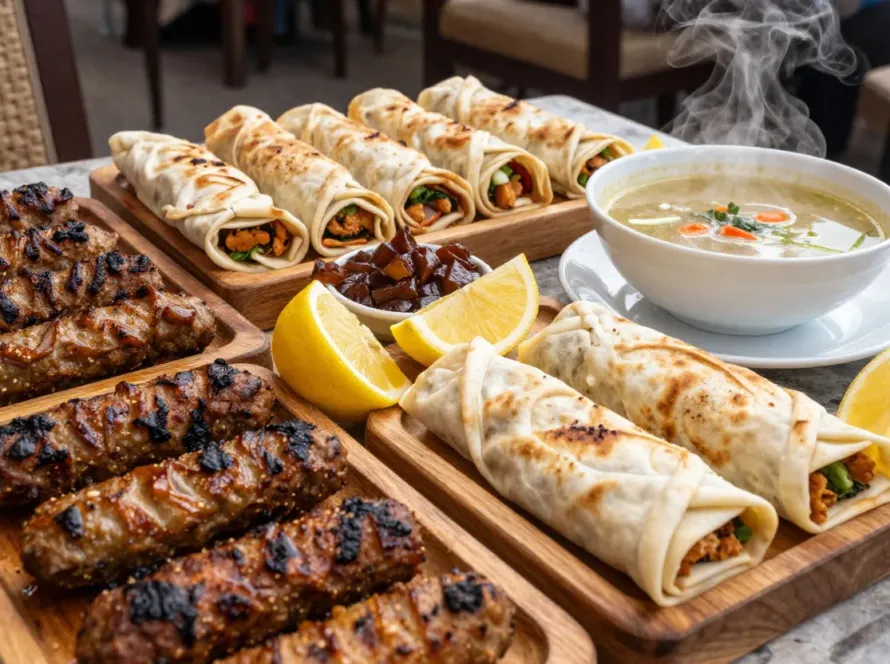
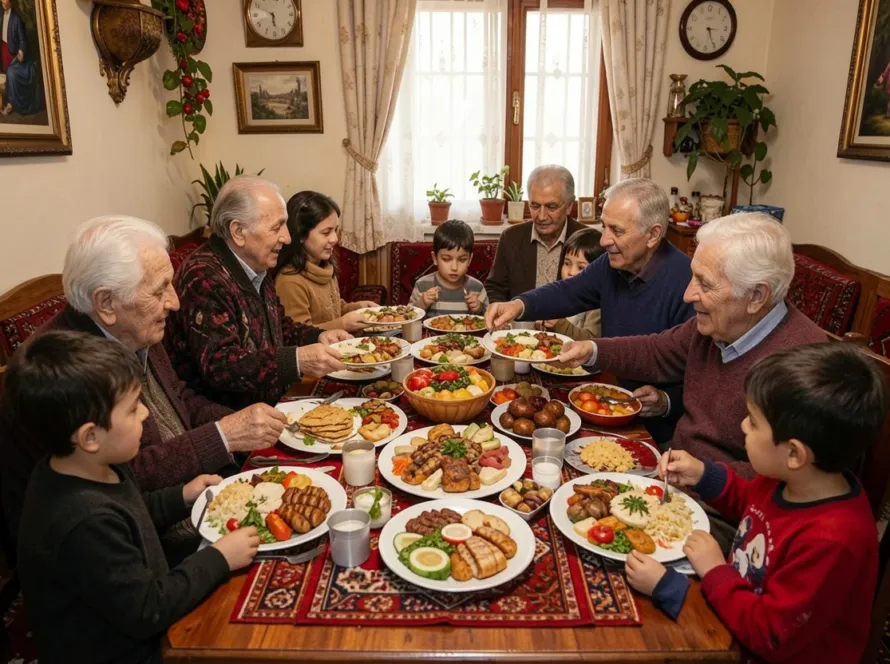
Tea vs coffee in Turkish dining culture is not a matter of preference alone, it reflects timing, hospitality, and the natural rhythm of the meal itself in Turkey. In traditional Turkish settings and restaurants like Istanbul Kitchen, tea and coffee are served at intentional moments to support digestion, enhance flavor, and extend conversation at the table.
Understanding when each drink appears helps first-time diners experience Turkish meals as they are meant to unfold. Tea is commonly enjoyed throughout the meal or alongside light bites, while coffee is reserved for the final stage, marking a shift from eating to relaxed conversation. Each beverage carries a purpose that reflects long-standing hospitality traditions across Turkey.
This blog helps visitors recognize the natural flow of Turkish dining so they can order with confidence, enjoy each stage of the meal more fully, and appreciate how timing, culture, and hospitality come together through every cup.
The Role of Beverages in Turkish Dining Culture
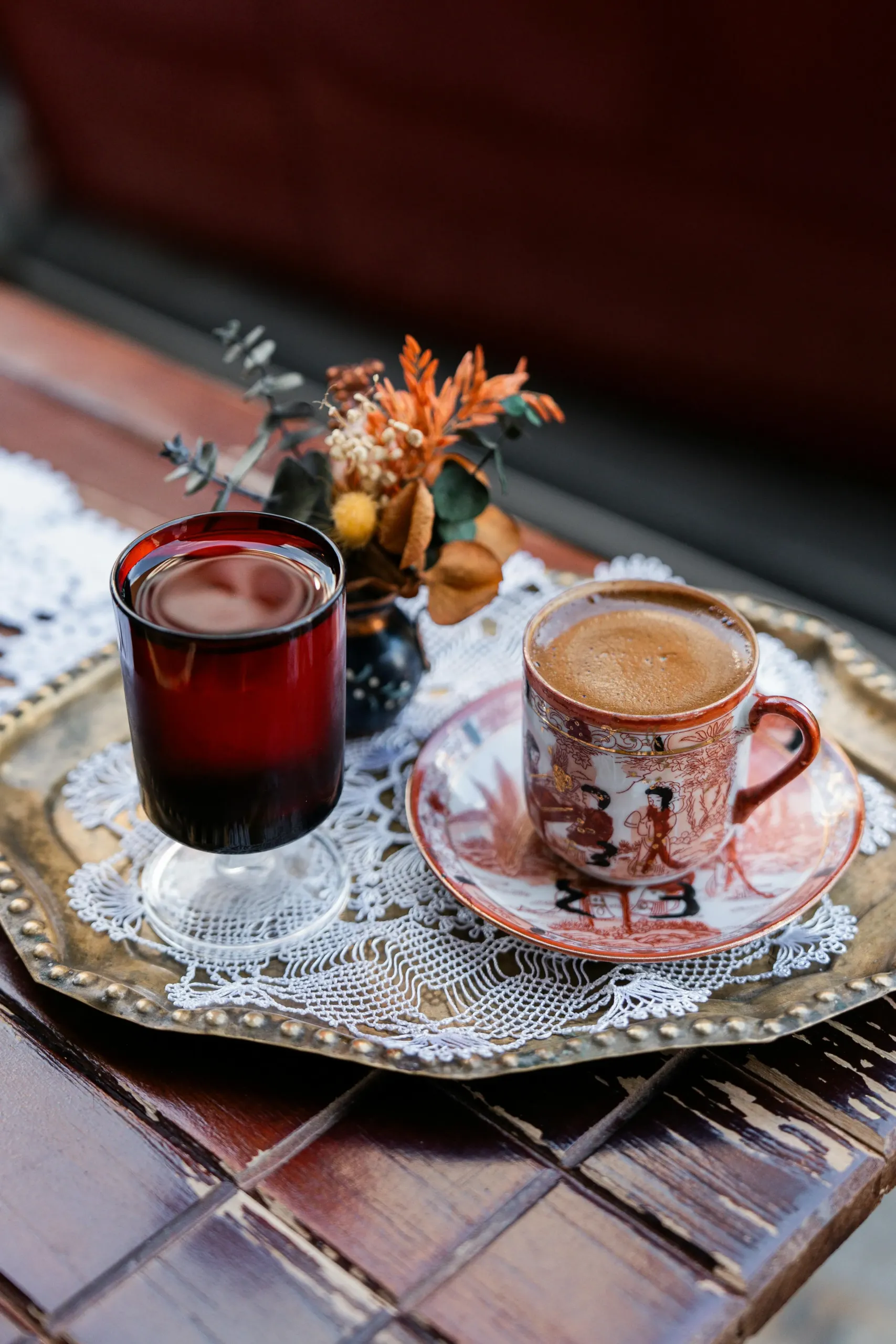
Before comparing tea vs coffee directly, it helps to understand why beverages play such an essential role in Turkish dining culture. In Turkey, drinks are not simply refreshments served on the side. They help guide the rhythm of the meal, support conversation, and express hospitality toward guests.
Tea as a Daily Companion
Turkish tea appears throughout the day and across many dining situations because it supports both social interaction and relaxed pacing at the table. It may be served before meals as a welcoming gesture that helps guests settle into conversation before food arrives. It often appears during conversation between courses or after ordering, allowing time for connection without rushing the dining experience.
Tea is especially common alongside breakfast, where it accompanies breads, cheeses, olives, eggs, and pastries as part of a balanced morning table. It is also served after light desserts, helping cleanse the palate while extending time together at the table. In more social settings, tea may even appear between courses, particularly during longer gatherings where conversation remains as important as the food itself.
This flexible role explains why tea functions as a daily companion rather than a single-purpose beverage. It supports comfort, continuity, and hospitality throughout the dining experience.
Coffee as a Closing Ritual
Turkish coffee carries a different meaning within the structure of a meal. Instead of appearing throughout dining, it usually signals the transition from eating to reflection and conversation afterward. Its arrival often marks the moment when the formal meal ends and a more relaxed social period begins.
Rather than being consumed quickly, Turkish coffee is served slowly and intentionally. Guests take small sips while continuing conversation, often extending the gathering in a calm and thoughtful way. The preparation method, serving style, and pacing all reinforce its symbolic role as a closing ritual rather than a routine refreshment.
Because of this distinction, tea supports the flow of the meal itself, while coffee highlights the moment that follows it—when conversation becomes the main focus.
When to Drink Tea During a Turkish Meal

Tea appears more frequently than coffee in everyday Turkish dining because it fits naturally into many moments before, during, and after a meal. Its light body and gentle bitterness make it adaptable across different stages of the dining experience without overpowering flavors or interrupting conversation.
Tea Before the Meal Begins
Tea is often served before ordering or while waiting for food because it helps create an immediate sense of welcome at the table. Offering tea early signals hospitality and gives guests a comfortable transition into the dining experience.
During this time, guests can relax, review the menu, and begin conversation without feeling rushed. Tea helps fill the natural pause between arrival and service, making the start of the meal feel intentional rather than delayed. This small gesture reflects the broader Turkish tradition of treating beverages as part of the social structure of dining.
Why Tea Works Well Before Eating
Tea prepares the palate without interfering with the flavors that follow. Its mild strength and balanced bitterness refresh the mouth rather than coating it, which allows upcoming dishes to remain the focus of the meal.
It also supports relaxed pacing before dishes arrive. Guests remain engaged in conversation while enjoying something warm and familiar, which reduces impatience and encourages a slower, more enjoyable start to the dining experience. This early serving of tea helps set the tone for a meal centered on comfort, hospitality, and shared time at the table.
Tea With Breakfast
Breakfast is one of the most common and natural moments for tea service in Turkish dining culture. Tea is not treated as an optional beverage at breakfast. Instead, it functions as a central part of the morning table and supports the pacing of the entire meal.
Traditional Turkish breakfast typically includes foods such as olives, cheese, tomatoes, cucumbers, eggs, and bread. These ingredients offer a mix of salty, fresh, and mild flavors. Tea complements them by refreshing the palate between bites without overpowering delicate ingredients like cheese or vegetables.
Tea also supports the social nature of breakfast. Rather than a quick meal, Turkish breakfast is often slow and shared. Tea is poured repeatedly throughout the meal, encouraging conversation and a relaxed start to the day.
At Istanbul Kitchen, Turkish breakfast selections are commonly paired with tea as part of the dining routine. This reflects how tea naturally supports both flavor balance and the social rhythm of a traditional morning meal.
Tea With Light Meals and Mezze
Tea works especially well with lighter selections such as mezze plates because it enhances freshness without competing with layered flavors. Its gentle bitterness helps reset the palate between bites of different dishes.
Examples include hummus, eggplant spread, kısır, and yogurt dips, all of which benefit from a beverage that keeps the tasting experience clean and balanced. Tea allows guests to move comfortably between textures such as creamy dips, grain-based salads, and herb-forward spreads.
These combinations create a balanced start to the meal without overwhelming flavors. Tea supports gradual dining progression and encourages conversation while guests explore multiple small dishes.
Tea With Pastries and Bread-Based Dishes
Bread-focused items like simit and börek traditionally pair with tea because their textures and flavors match well with its light structure. Tea helps balance the richness of pastry layers and complements sesame-coated breads without adding heaviness.
This pairing reflects everyday street-food culture across Turkey, where tea vendors and bakeries often appear side by side. People frequently enjoy bread-based snacks with tea during short breaks, morning routines, or afternoon gatherings.
At Istanbul Kitchen, simit with tea remains one of the most recognizable combinations for guests exploring Turkish flavors. It offers a simple introduction to how tea supports everyday dining traditions.
Tea With Dessert in Casual Settings
Although Turkish coffee is the classic dessert companion in formal settings, tea frequently appears with sweets in relaxed dining environments because it keeps the experience lighter and more refreshing.
Popular combinations include tea with baklava, tea with pistachio desserts, and tea with milk-based sweets. Tea helps balance sweetness by cleansing the palate between bites, especially when desserts contain syrup, nuts, or dairy textures.
This pairing works particularly well in casual meals or daytime gatherings where guests prefer a gentle finish rather than a strong coffee conclusion. Tea keeps dessert experiences comfortable, balanced, and easy to enjoy while conversation continues at the table.
When to Drink Coffee During a Turkish Meal
Coffee After the Main Course
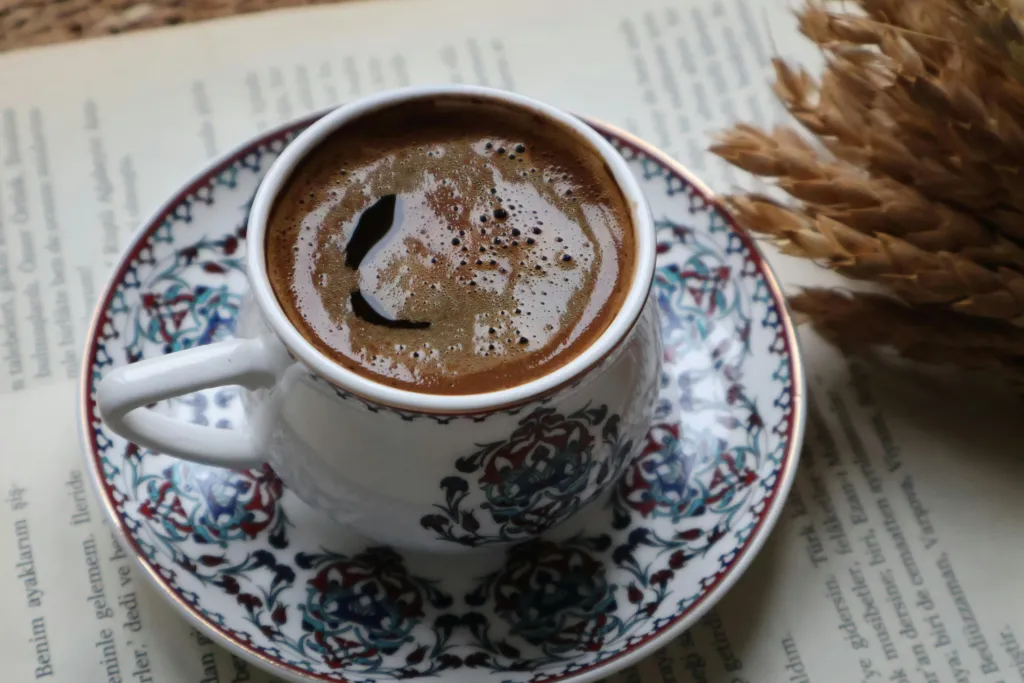
Coffee usually appears later than tea in the Turkish dining sequence because its stronger flavor and thicker texture make it better suited for the final stage of the meal rather than continuous sipping. Turkish coffee is traditionally served after finishing the main course as a signal that the eating portion of the gathering has ended.
This transition is important in Turkish dining culture. Once coffee is served, the focus shifts from food to conversation. Guests remain at the table longer, enjoying a slower and more reflective social moment. Coffee helps create a natural pause between eating and extended hospitality, allowing the gathering to continue without the structure of additional dishes.
Coffee After Dessert
Coffee and dessert often arrive together because their flavors balance one another naturally. The intensity of Turkish coffee contrasts with the sweetness of traditional desserts, creating a satisfying finish to the meal.
Classic pairings include Turkish coffee with baklava, Turkish coffee with kadayıf, and Turkish coffee with rice pudding. These combinations allow the richness of syrup-based or milk-based desserts to feel more balanced while enhancing the overall tasting experience.
Guests frequently enjoy these combinations at Istanbul Kitchen as part of the traditional dining flow. Serving coffee alongside dessert reflects a long-standing cultural rhythm where sweetness and strength complement each other at the end of the meal.
Coffee During Social Visits
Outside restaurants, coffee plays a central role in home hospitality and social gatherings. Offering Turkish coffee to visitors is a meaningful gesture that expresses respect, welcome, and attentiveness to guests.
Unlike beverages served casually throughout the day, coffee is prepared with intention. Its presentation often marks an important moment of connection between host and guest. Sharing coffee encourages conversation, strengthens relationships, and reflects the value placed on spending time together.
This tradition continues in modern dining spaces that preserve Turkish cultural rhythms. Restaurants that follow traditional service patterns help guests experience the same sense of hospitality found in Turkish homes.
Coffee as a Symbolic Ending to the Meal
Coffee signals completion rather than continuation within the structure of Turkish dining. Its arrival marks the transition from eating to conversation and reflection.
Once coffee appears, ordering slows, because the main meal has already concluded. Conversation deepens, as guests shift their attention fully toward each other rather than the table. The dining pace relaxes, allowing the gathering to continue in a comfortable and unhurried way.
For this reason, coffee remains one of the most meaningful beverages in Turkish culture. It represents closure, connection, and the shared experience that follows a well-enjoyed meal.
Tea vs Coffee: Understanding the Timing Differences
Tea and coffee serve different purposes across the Turkish dining experience. Understanding when each beverage typically appears helps first-time diners feel more confident when ordering and makes the meal feel more natural and enjoyable.
Tea Supports the Meal Itself
Tea works well before eating because it creates a welcoming start to the dining experience. It helps guests settle into conversation while reviewing the menu and waiting for dishes to arrive. This early service reflects the strong hospitality traditions associated with Turkish tea. Tea is especially common during breakfast, where it accompanies olives, cheeses, vegetables, eggs, and bread. Its light structure refreshes the palate between bites and supports the relaxed pacing typical of a traditional Turkish morning meal.
Tea also pairs naturally alongside mezze, since small plates often include a variety of textures and flavors. Tea helps cleanse the palate between dishes like hummus, yogurt dips, and grain salads, making it easier to enjoy each selection fully. It works well with pastries such as simit and börek because its gentle bitterness balances rich dough and sesame flavors without adding heaviness. This pairing reflects everyday café and street-food traditions across Turkey.
Tea can also appear during casual dessert moments, especially in daytime dining or relaxed social settings. It keeps dessert experiences lighter and allows conversation to continue comfortably without the intensity of coffee.
Because of this flexibility across multiple stages of the meal, tea remains the most common Turkish beverage overall. At restaurants such as Istanbul Kitchen, tea often accompanies breakfast items, mezze selections, pastries, and light sweets as part of the traditional dining rhythm.
Coffee Marks the End of the Dining Experience
Coffee works best after the main course, where it signals that the eating portion of the meal has concluded. Its stronger flavor and slower preparation naturally shift attention away from ordering and toward conversation. It is also traditionally served alongside dessert, especially with syrup-based and milk-based sweets such as baklava, kadayıf, or rice pudding. Coffee balances sweetness and creates a satisfying finish to the meal. Coffee frequently appears during extended conversation that follows dining. Guests remain at the table longer, enjoying small sips while continuing discussion in a relaxed setting.
Most importantly, coffee arrives at the close of a meal, where it acts as a cultural signal that the gathering is entering its final stage. This timing gives coffee a more ceremonial role compared with tea, which supports the meal throughout multiple moments rather than marking its conclusion. Because of this structure, tea supports the flow of dining, while coffee defines its ending—together creating the distinctive rhythm of a traditional Turkish meal experience.
How Restaurants Present Tea and Coffee Together
Restaurants like Istanbul Kitchen preserve the traditional sequence of serving tea earlier in the meal and coffee later, helping guests experience the natural rhythm of Turkish dining. Menus typically include Turkish tea, Turkish coffee, espresso-style drinks, and herbal teas, which allows diners to explore different beverage options at the appropriate moments throughout their visit. This variety makes it easy for guests to begin their meal with tea, transition comfortably through breakfast or mezze courses, and finish with coffee as part of a relaxed and traditional dining experience.
Choosing Between Tea and Coffee as a First-Time Visitor
If you are new to Turkish dining, choosing when to order tea or coffee can feel unfamiliar at first. In Turkey, beverages follow a natural rhythm within the meal rather than appearing randomly. A simple structure helps guide the experience and makes ordering feel more comfortable.
Choose Tea If You Are Just Starting the Meal
Tea works especially well when waiting for dishes, because it creates a welcoming pause before food arrives and supports relaxed conversation at the table. It also pairs naturally when sharing mezze, since its light body helps refresh the palate between small plates with different textures and flavors.
During breakfast, tea is considered the standard companion beverage. It complements cheeses, olives, vegetables, eggs, and breads without overpowering them. Tea also matches well when enjoying pastries, such as simit or börek, where its gentle bitterness balances rich dough and sesame flavors.
Because of this flexibility, tea keeps flavors balanced while supporting conversation throughout the early stages of the meal.
Choose Coffee After the Meal Is Complete
Coffee works best when dessert arrives, since its strength balances syrup-based and milk-based sweets and creates a satisfying finish to the dining experience. It also fits naturally when conversation continues after eating, allowing guests to remain at the table in a relaxed and social setting.
As the meal slows down, coffee signals a shift away from ordering additional dishes and toward reflection and connection. It is especially appropriate when guests remain seated longer, because Turkish coffee is meant to be enjoyed slowly rather than quickly.
Ordering coffee at this stage reflects the traditional dining rhythm and helps recreate the cultural pacing of a Turkish meal.
Try Both in One Visit
Many guests enjoy tea earlier and coffee later in the same meal. This mirrors how beverages are traditionally experienced in Turkish dining culture, where tea supports the flow of the meal and coffee marks its closing moment. Experiencing both in one visit offers a more complete and authentic introduction to the structure of Turkish hospitality.
The Social Meaning Behind Tea Service
Tea represents hospitality more than formality in Turkey. It appears naturally in everyday life and across many environments where people gather, talk, and share time together. Rather than marking a special occasion, tea signals comfort, welcome, and connection.
Tea appears regularly in homes, where hosts often serve it shortly after guests arrive as a first gesture of hospitality. Offering tea at home creates a relaxed atmosphere and encourages conversation before or after meals. It helps guests feel settled and valued without requiring a formal dining setting. It is equally common in cafés, where tea supports long conversations and unhurried visits. Guests often order multiple servings while talking with friends or family, reflecting the social role tea plays beyond simple refreshment. Tea also appears in markets, where shopkeepers sometimes offer a small glass of tea during visits. This tradition strengthens relationships between sellers and customers and reflects the everyday nature of hospitality in Turkish culture.
In restaurants, tea often arrives before ordering, during meals, or alongside light desserts. Its presence helps guide the pacing of the dining experience and supports the welcoming tone that defines Turkish service traditions.
Offering tea signals welcome and comfort in all of these settings. It invites guests to relax, participate in conversation, and enjoy the shared experience of time at the table.
Tea as an Invitation to Stay Longer
Tea encourages guests to remain at the table rather than moving quickly through a meal. Because it is light and easy to sip slowly, it supports extended conversation without interrupting the dining experience. Serving tea also removes the sense of urgency that can appear in faster dining environments. Instead of signaling the end of a visit, tea suggests that guests are welcome to continue talking and enjoying the moment together.
This relaxed pacing reflects a central value in Turkish culture, where meals are not only about food but also about connection, presence, and shared time.
The Cultural Meaning Behind Coffee Service
Coffee carries deeper symbolic meaning in Turkey, extending far beyond its role as a beverage. Historically, it was closely tied to important conversations, formal visits, and meaningful social gatherings where presence and dialogue mattered as much as the drink itself. Rather than being consumed casually throughout the day, coffee often marked moments of intention and respect. It was prepared and served with care, reflecting the value placed on the guest and the occasion. In traditional settings, offering coffee signaled that time was being set aside for meaningful interaction rather than routine activity.
Today, this symbolism continues in modern hospitality. Coffee still represents thoughtful hosting, where serving it suggests attentiveness, respect, and a willingness to engage in conversation. Whether in homes or dining spaces, it remains a gesture that slows the moment and encourages connection.
Because of this cultural depth, coffee is not only remembered for its taste but also for the meaning it carries within Turkish social life.
Coffee Encourages Reflection and Conversation
Unlike quick takeaway coffee traditions in many other places, Turkish coffee in Turkey is designed to be experienced slowly and intentionally rather than consumed on the go.
Its serving style naturally encourages storytelling, where conversations unfold over time as guests remain seated and engaged. It also supports discussion, giving people space to talk without interruption while the coffee is enjoyed in small, measured sips. Most importantly, it fosters shared time, turning a simple drink into a social moment that extends the connection between host and guest.
This slow, deliberate approach is what makes Turkish coffee one of the most recognizable elements of Turkish dining culture.
Experience Turkish Tea and Coffee the Traditional Way
Curious about how tea and coffee shape the rhythm of a Turkish meal? Visit Istanbul Kitchen and enjoy tea alongside fresh pastries or mezze before finishing your dining experience with a cup of traditional Turkish coffee and dessert. Sharing both beverages during one visit offers a natural introduction to Turkish hospitality traditions that continue across generations.
Stay a little longer, enjoy the conversation, and experience how each beverage marks a different moment in the meal—from welcoming beginnings to meaningful endings. Bring friends, slow down the pace of your dining experience, and discover how timing, tradition, and hospitality come together to make every sip more memorable and every visit more complete. Dine with us now!